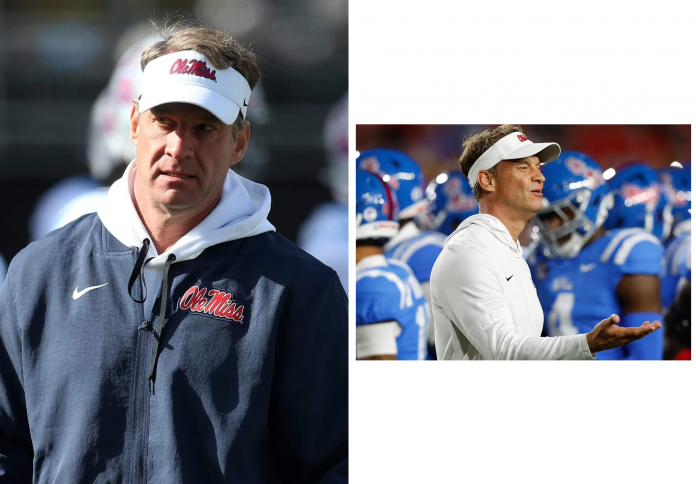
Lane Kiffin’s dramatic leap from the playoff-bound Ole Miss Rebels to the rival LSU Tigers did not just shift the SEC coaching landscape; it created a series of profound, unanswered questions that will define both programs for years. While the move instantly provided LSU with a highly sought-after offensive innovator and Ole Miss with a dramatic leadership void, the long-term ripple effects remain highly ambiguous. Lingering inquiries center on whether Kiffin can handle the immense pressure and heightened expectations in Baton Rouge, if Ole Miss’s new coach, Pete Golding, can hold together a roster facing the transfer portal, and how the conference’s most intense rivalry will be irrevocably altered. This sudden transfer of power, motivated by massive financial and resource incentives, leaves both institutions facing a precarious future dependent on the answers to these critical, immediate unknowns.
Can Kiffin Handle the Baton Rouge Pressure Cooker?
The primary question surrounding Lane Kiffin’s move is whether his successful, yet often chaotic, style of coaching can withstand the heightened expectations and political scrutiny of the LSU program.

LSU is a program with a recent history of national championships and operates under a constant mandate to compete for the title. While Kiffin achieved historic success at Ole Miss, the pressure in Baton Rouge is exponentially higher. His reputation as a social media-savvy enfant terrible worked well in the relatively lower-stakes environment of Oxford. Now, he faces immediate demands for a championship, managing intense booster involvement, and navigating a massive media footprint. Kiffin has never finished higher than No. 6 in the final AP Poll as a head coach. The question is whether the immense resources and raw talent at LSU can transform Kiffin’s successful track record into consistent national dominance—or whether the pressure of the championship standard will lead to the same fiery collapse he experienced at USC.
What is the Immediate Future of the Ole Miss Roster and Pete Golding?
For Ole Miss, the most urgent and existential questions concern roster integrity and the long-term viability of their swift coaching hire, Pete Golding.
Kiffin’s departure activated the 30-day transfer portal window for all Ole Miss players, leaving the program vulnerable to a mass exodus of key talent just weeks before its first College Football Playoff appearance. The immediate challenge for newly appointed Head Coach Pete Golding is twofold: first, to successfully “re-recruit” his entire roster, convincing star players that the program’s momentum is bigger than any single coach; and second, to prove he is a capable CEO, not just a defensive coordinator. Can Golding build a dynamic offensive staff capable of maintaining Kiffin’s system? The lingering question is whether the decision to hire Golding was a panic move for stability or a calculated choice of a genuine long-term leader. If the team performs poorly in the playoff or suffers significant transfer losses, the pressure on Golding will quickly mount.
How Will Recruiting and the Transfer Portal Be Affected?

The shift of Kiffin’s recruiting prowess and the promise of LSU’s superior Name, Image, and Likeness (NIL) resources will instantly alter the recruiting landscape in the SEC.
Kiffin’s recruiting success at Ole Miss was based on his ability to attract talent via the transfer portal and his charisma. Now, he brings that expertise and his staff to LSU, a program with a historically richer recruiting base and virtually unlimited NIL backing. The question is how much talent Kiffin will immediately take with him from Ole Miss, both in terms of current players and future commits. The move is expected to dramatically elevate LSU’s portal success while creating a huge deficit for Ole Miss to overcome. For the remaining recruits considering Ole Miss, the coaching change adds a layer of uncertainty. Analysts are asking whether Golding can leverage his defensive reputation and the program’s current CFP status to attract and retain the same level of offensive firepower that Kiffin cultivated.
What Does This Mean for the LSU vs. Ole Miss Rivalry?

Kiffin’s move to a bitter conference rival—particularly one that faces Ole Miss annually—adds a volatile layer of personal animosity that will define the rivalry for the next decade.
The question is no longer if the rivalry will be more intense, but how intense it will become. Lane Kiffin went from a beloved savior in Oxford to a symbol of betrayal overnight. The personal animosity, which was compounded by Kiffin’s public remarks and the drama surrounding his family, guarantees that the Ole Miss vs. LSU matchup will be appointment viewing, laden with emotional fury and heightened stakes. Every future game between the two schools will be framed as a referendum on Kiffin’s decision: a chance for Ole Miss to prove they moved on successfully, or a chance for LSU to rub salt in the Rebels’ open wounds. This dynamic ensures the rivalry will be one of the most unpredictable and emotionally driven clashes in the SEC schedule.