The Metropolitan Museum of Art’s Costume Institute is poised to unveil its 2026 exhibition, rumored or confirmed to be titled “Costume as Art,” marking a significant philosophical examination of fashion’s highest form. This theme moves beyond the conventional celebration of a single designer or era, seeking instead to definitively position clothing—particularly haute couture and visionary ready-to-wear—within the realm of fine art. The exhibit promises to explore the core intellectual debate surrounding fashion: Is a meticulously draped gown or a uniquely tailored suit merely an object of utility, or does it embody the sculptural, expressive, and conceptual mastery of painting or sculpture? By focusing on the intrinsic artistic merit of garments, this exhibition is set to challenge both academic and popular perceptions, redefining the value and legacy of dress within the museum context.
Elevating Fashion from Craft to High Art
The central tenet of the “Costume as Art” theme is the ambitious attempt to dismantle the traditional hierarchy that places fashion below painting, sculpture, and other recognized fine arts.

For decades, fashion has often been relegated to the category of “decorative arts” or “craft” due to its commercial nature and connection to the body. This exhibit, however, intends to present garments as objects of profound artistic merit, focusing on the technical virtuosity and conceptual depth inherent in their creation. Curators are expected to highlight pieces where the designer functions as a true auteur—using fabric like clay or marble, employing color as a painter, and manipulating silhouettes with architectural precision. The selection will likely favor works by designers who have openly embraced this sculptural approach, such as Madame Grès with her classical draping or Thierry Mugler with his dramatic, hyperbolic forms.
By juxtaposing these garments with actual works of fine art, the exhibition will challenge viewers to recognize the intentionality and aesthetic expression embedded in a piece of clothing. This aims to legitimize fashion’s place in the museum, asserting that the skill required to engineer a complex gown is every bit as deserving of reverence as the carving of a stone bust.
The Role of the Body and the Living Sculpture
A crucial philosophical component of “Costume as Art” is the inherent connection between the garment and the human form, an element unique to fashion as an artistic medium.
Unlike a static painting or sculpture, a piece of fashion only truly achieves its final, intended artistic state when it is worn. The exhibition will explore how designers compose a “living sculpture,” using the movement, shape, and attitude of the wearer to complete the artistic statement. This dynamic interplay between the fixed object and the ephemeral performance of movement is a core strength of costume art. Key displays will likely focus on designers who masterfully shape the body, perhaps through techniques like Azzedine Alaïa’s kinetic stretch fabrics or the theatrical, gravity-defying designs of contemporary innovators.

This focus allows the exhibit to delve into the expressive power of clothing—how it communicates identity, social status, and cultural commentary. The garments are not just beautiful objects, but potent carriers of meaning, fulfilling both an aesthetic and a narrative function that is often tied directly to contemporary society and the human condition.
The Met Gala: A Theatrical Expression of the Theme
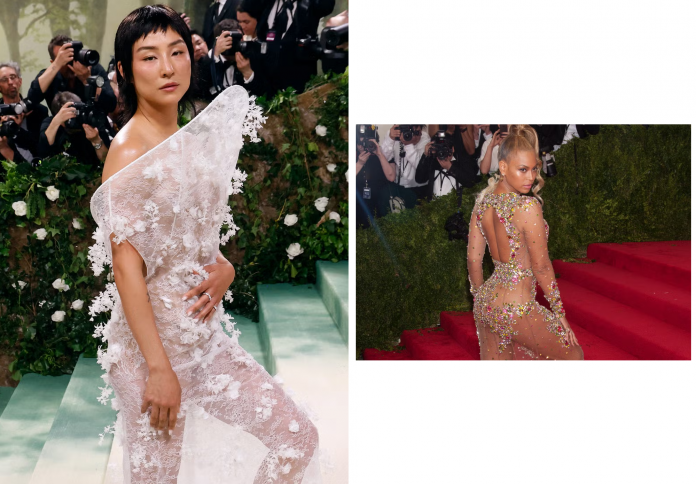
The Met Gala itself, which is the fundraising cornerstone of the exhibition, offers a unique opportunity for guests to embody and celebrate the “Costume as Art” theme with spectacular theatricality. Guests attending the Gala will be encouraged to interpret the theme by choosing pieces that are overtly conceptual, sculptural, or historically significant, transforming the red carpet into a transient performance art installation. This is the moment where the theme leaves the academic confines of the museum and enters the popular imagination, blurring the lines between wearability and exhibitionism. Past Met Galas have shown that themes focusing on artistry and concept—such as “Heavenly Bodies” or “Savage Beauty”—tend to elicit the most dramatic and highly publicized interpretations.
For 2026, the red carpet will essentially become an annex of the exhibition, showcasing how contemporary designers and stylists view the connection between fashion and artistic expression, using celebrity as the ultimate medium for their work.
A Curatorial Legacy of Reassessment
“Costume as Art” continues a long tradition of the Costume Institute using its high-profile platform to reassess fashion history and place it within a broader cultural context.
The exhibition follows in the footsteps of groundbreaking shows that forced a reconsideration of fashion’s power. By focusing on the artistic integrity of the work—the needlework, the complex constructions, the intellectual process—the Met reaffirms its commitment to treating clothing as primary cultural evidence. The success of this theme will rely on the curatorial mastery of Andrew Bolton, who has consistently demonstrated an ability to turn complex academic arguments into visually stunning, emotionally resonant displays that draw millions of visitors. Ultimately, this 2026 exploration is poised to leave an indelible mark on how fashion historians, critics, and the general public view the aesthetic value of the clothes we choose to wear, permanently enshrining certain pieces as true masterpieces of art.