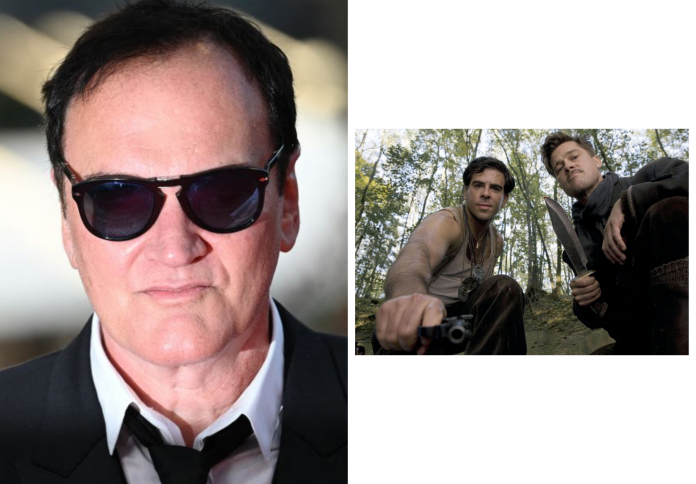
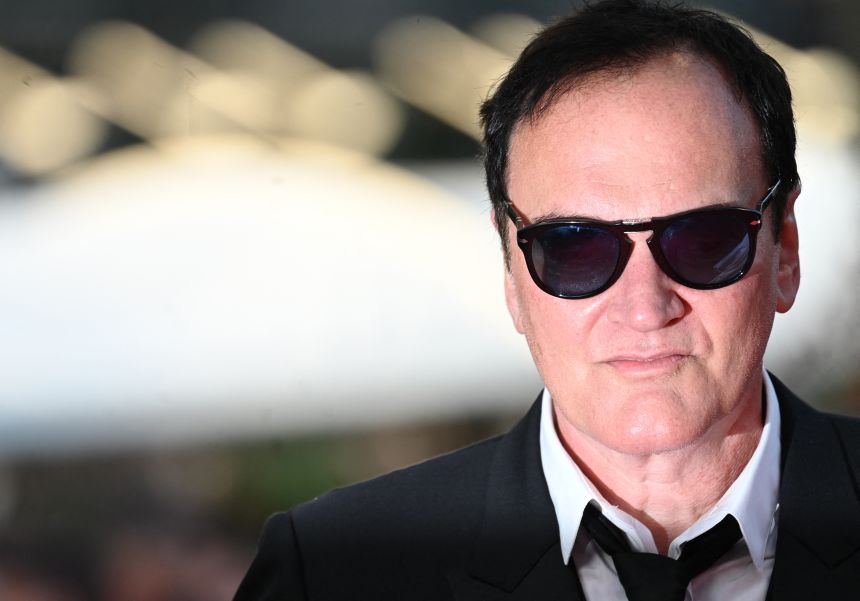
For over three decades, Quentin Tarantino has been an iconic and singular force in Hollywood. From the pop-culture-infused dialogue of “Pulp Fiction” to the hyper-stylized violence of “Kill Bill,” his films have always sparked intense debate among critics and fans alike. Now, the filmmaker has added a new layer to the conversation with a surprising revelation: a personal ranking of his own movies. Speaking on a recent podcast, Tarantino candidly revealed which film he considers his “best,” which is his “favorite,” and which one he was “born to make.” His choices defy easy categorization, offering a rare glimpse into the mind of a master and revealing the deeply personal relationship a director has with his own creations.
The Masterpiece and the Favorite: A New Ranking
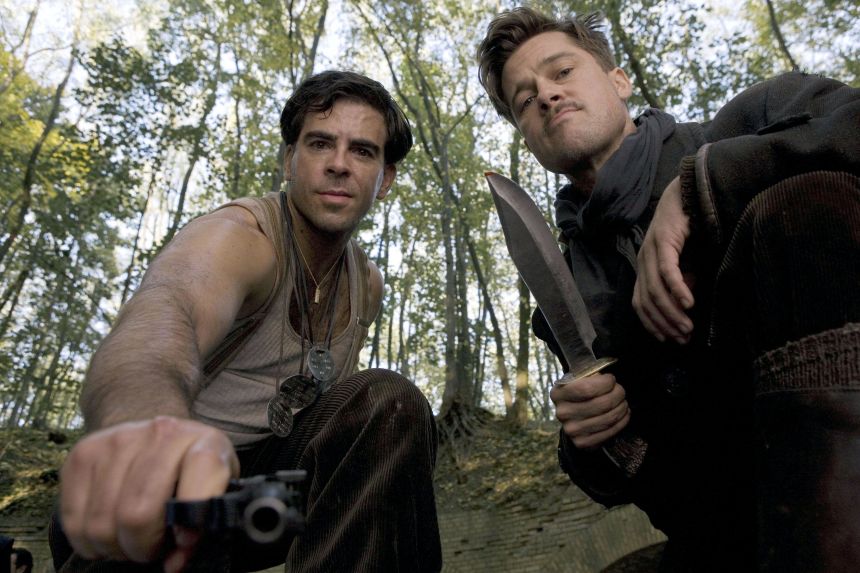
When asked to rank his films, Quentin Tarantino doesn’t offer a simple top-to-bottom list. Instead, he applies a different kind of critical lens, drawing a unique distinction between what he considers his “best” work and his “favorite.” To the surprise of many, his two-time Academy Award-winning scripts, “Pulp Fiction” and “Django Unchained,” are not his choices. He states that his World War II epic, “Inglourious Basterds,” is his “masterpiece.” Released in 2009, this film is a genre-bending, revisionist history tale set in Nazi-occupied France, following a group of Jewish-American soldiers who hunt and kill Nazis. For Tarantino, this work represents the pinnacle of his directorial craft and a culmination of his skills.
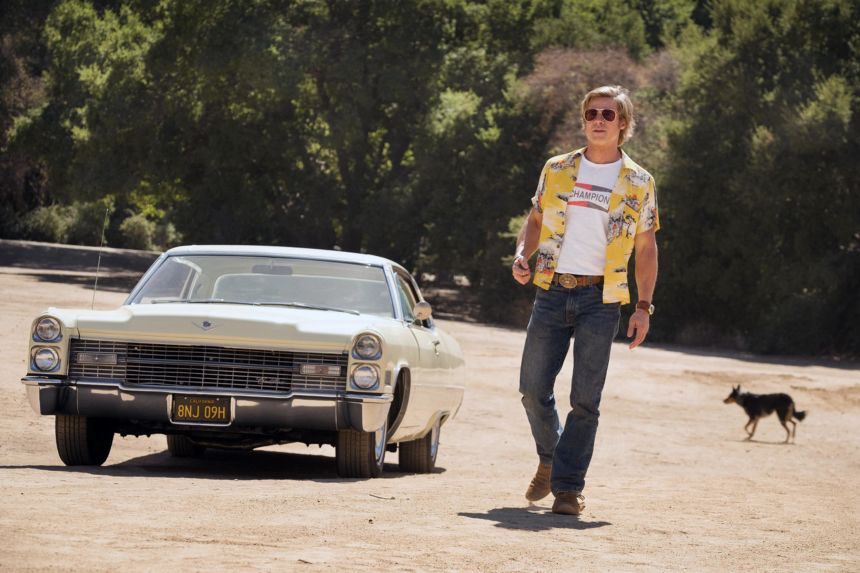
While “Inglourious Basterds” is his technical masterpiece, his “favorite” film is the most recent in his body of work: “Once Upon a Time… in Hollywood.” This 2019 film, which stars Leonardo DiCaprio and Brad Pitt, is a love letter to the last moments of Hollywood’s Golden Age. The film is a departure from his usual style in some ways, but for the director, its nostalgic and melancholic tone seems to hold a special place in his heart. The separation of “best” from “favorite” allows Tarantino to acknowledge a film’s technical and artistic achievement while also recognizing a personal, emotional connection that may be less apparent to the public.
Born to Make: The Ultimate Quentin Movie
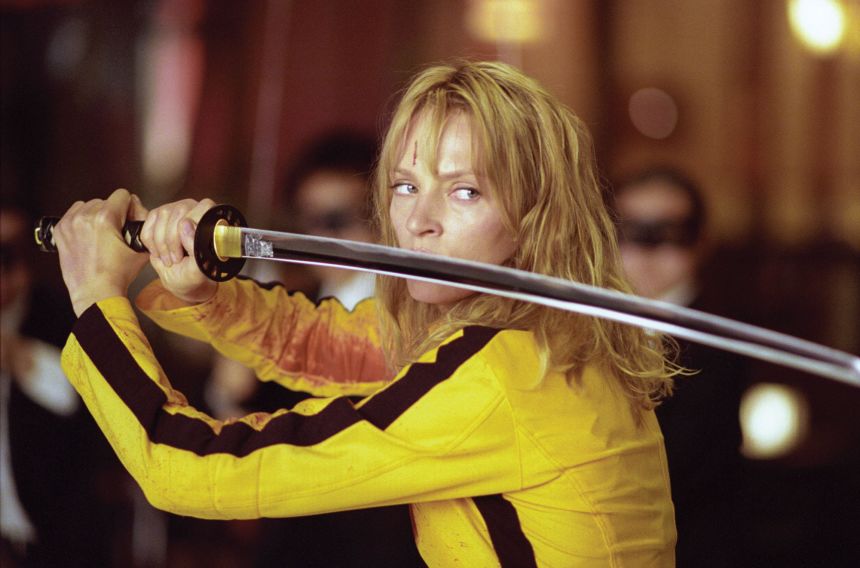
Beyond “best” and “favorite,” Tarantino offers a third, and perhaps most telling, category: the film he was “born to make.” That honor, he says, goes to his two-volume martial arts epic, “Kill Bill.” While the film may not be his masterpiece in a technical sense, it is, in his own words, the “ultimate Quentin movie.” The reason is simple: every aspect of the film, from its cinematic homages to its surreal violence, was “ripped, like with tentacles and bloody tissue, from my imagination and my id and my loves and my passion and my obsession.”
This intensely personal connection to the “Kill Bill” saga reveals a lot about the director’s artistic identity. The film is a celebration of the grindhouse and exploitation films he loves, a pastiche of cinematic styles that only a true fan could create. Unlike the more historically grounded or character-driven narratives of his other films, Kill Bill exists purely within the cinematic universe he so passionately reveres. In this way, it is a film that could have been made by no one else, a pure expression of his unique voice and vision.
The Flaws of a Film God: A Look at Early Work
Even with his status as a cinematic icon, Tarantino is not immune to self-criticism. He admitted that some of his earliest work, particularly “Reservoir Dogs” and “Pulp Fiction,” contain what he calls “amateur sh*t.” While he professes to “love” both films, he explains that they were made during a time “when I didn’t know what I didn’t know.” As a young, hungry filmmaker, he was still learning his craft, and he points to minor mistakes that still “bite his a**” to this day—small flaws like a shadow of a boom mic or an actor’s mark visible on screen.
For a director celebrated for his meticulous attention to detail and cinematic perfection, this kind of frankness is rare and refreshing. He jokes that it takes “at least two movies to figure out how to do it,” acknowledging the steep learning curve of a first-time director. This honesty humanizes a figure who is often seen as larger than life, revealing the imperfections that exist even in the work of a certified master. It also reinforces his belief that his later films, like “Inglourious Basterds,” are superior because they are products of a more experienced and confident craftsman.
The Final Chapter: New Directions and Unfinished Business
For years, it has been rumored that Quentin Tarantino plans to direct only ten films before retiring. With nine already on his resume, the speculation around his final project has been constant. His tenth film was widely believed to be a script called “The Movie Critic,” but in his recent podcast appearance, Tarantino revealed he had “pulled the plug on it” because he lost the “excitement” for dramatizing what he had written. The film’s 1977 setting was too similar to his last, and he felt his final film had to be “uncharted territory.”
Instead, he has written a script for a follow-up to his favorite film, called “The Adventures of Cliff Booth,” but he won’t be directing it himself, instead handing the reins to David Fincher. This decision, too, is a testament to his creative ethos; he wants his final directorial effort to be a fresh challenge, something that forces him to “not know what I’m doing again.” Whatever his final film ultimately becomes, Tarantino’s candid reflections prove that for him, filmmaking is a deeply personal journey, a process of constant learning and evolving. His final artistic act, whatever it may be, will be a direct extension of this philosophy.