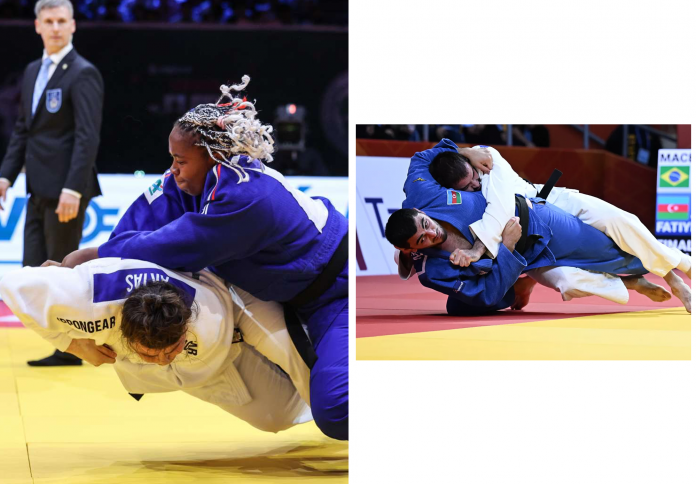
The 2025 Judo Grand Prix series reached an emphatic conclusion in Lima, Peru, where the final day of competition was dominated by the heavyweight divisions, delivering a showcase of raw power, tactical mastery, and emotional intensity. The finale saw the sport’s biggest names—the “Titans” of the heavy categories—confirm their dominance, securing crucial ranking points and setting the stage for the year-end championships. The heavyweights, often the most explosive and unpredictable class, provided a fitting closing act, reminding spectators that at the elite level, physical strength must be perfectly fused with mental fortitude and technical precision. The tournament’s conclusion emphasized that while skill is universal, the final victories are often claimed by those who can sustain relentless pressure in the face of colossal opposition.
The Reign of the Heavyweight Hierarchy
The final day of the Lima Grand Prix focused on the men’s -90kg, -100kg, and +100kg divisions, along with the women’s -78kg and +78kg categories, all of which saw the established global hierarchy firmly assert itself.
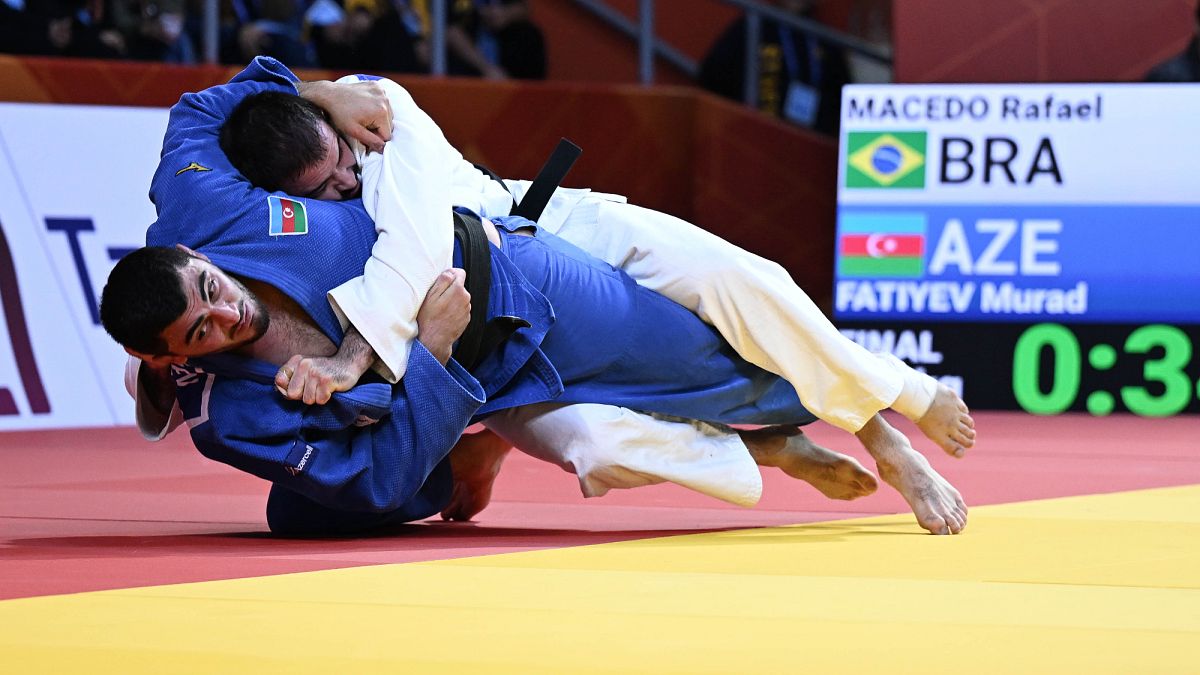
In the men’s heavyweights, the podiums were largely occupied by athletes who consistently rank among the world’s top five, demonstrating a strategic control over the divisions. These competitors, often hailing from Japan, Georgia, and the Netherlands, emphasized the difficulty in breaking into the elite circle once it has been established. Their matches were characterized by longer, often physically exhausting exchanges, relying on superior grip fighting and precise timing to leverage their immense size. The outcome confirmed that while upsets are possible, sustained success in these heaviest classes is the preserve of those who have mastered both technique and specialized strength training.
The Women’s Final Stand: Endurance and Ippon
The women’s heavyweight divisions offered an equally high-caliber display, with the final matches being defined by strategic endurance and the sudden, powerful execution of a decisive throw.
The +78kg division, featuring some of the world’s most physically imposing athletes, provided matches that balanced tactical patience with bursts of dynamic aggression. These encounters often hinged on securing the dominant grip, a battle that could last for minutes before a powerful forward throw was attempted. Furthermore, the -78kg category showcased incredible agility for a heavier class, with athletes demonstrating impressive transitional speed between standing techniques (tachi-waza) and ground techniques (ne-waza). The champions who emerged from these battles were those who could sustain an attacking mentality well into the final minutes, successfully exploiting the physical fatigue of their opponents.
A Boost for Pan-American Judo
Hosting the final Grand Prix of the year in Lima, Peru, offered a significant opportunity for Pan-American athletes to gain valuable ranking points and test their skills against a fully stacked international field.

While European and Asian nations dominated the gold medal count, the tournament’s final day saw athletes from countries like Brazil, Cuba, and Canada deliver impressive, high-ranking performances. These athletes, often drawing significant crowd support, secured crucial bronze medals and strong finishes that will be vital for improving their seeding ahead of next year’s major qualification events. The Grand Prix served as a vital competitive measuring stick, highlighting the areas where regional training and competitive strategies are successfully closing the gap with the global elite.
The Season’s Final Verdict and Future Focus
The conclusion of the Lima Grand Prix marks the end of the primary global competitive circuit for the year, turning the focus toward the World Masters and the upcoming year-end team championships.

The results from Lima provided the definitive final reading on the current world rankings, directly impacting seeding for these final major events. For the Titans who reigned supreme, the victory serves as momentum; for those who faltered, it is a clear indicator of the necessary adjustments to be made during the off-season training period. The powerful finale underscored that the battle for supremacy in judo is continuous, and that the physical and mental intensity displayed in Lima will be the benchmark for success heading into the next Olympic cycle.