An immersive journey into grief and hope
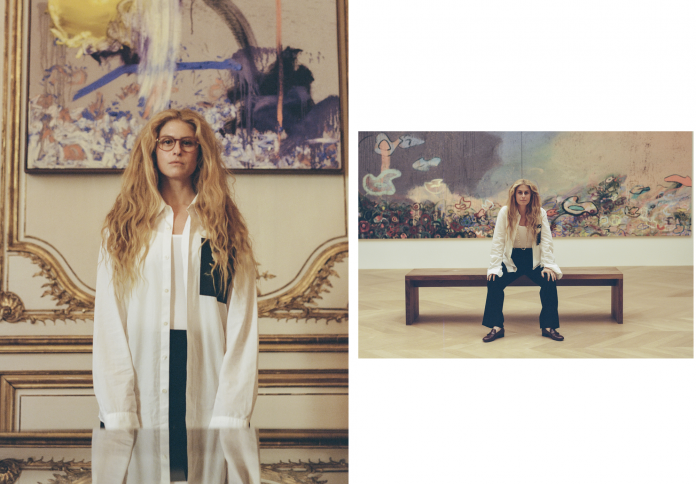
Art has the power to envelop us — physically and emotionally. Los Angeles–based abstract artist Austyn Weiner’s latest solo exhibition, Half Way Home, at Lévy Gorvy Dayan gallery, embodies this all-encompassing quality through a trio of monumental paintings. Weiner’s work invites viewers into an intimate exploration of her emotional, physical, and spiritual journey, mapping grief and resilience on vast canvases that demand attention both in scale and depth.
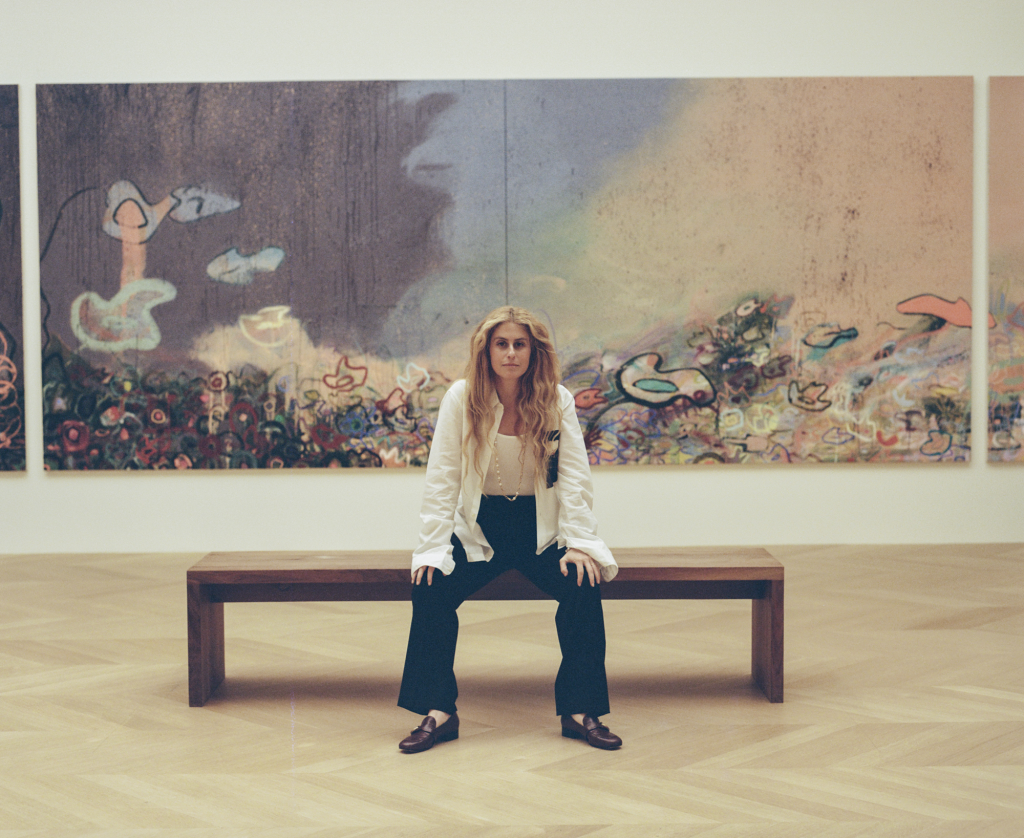
Known for her unyielding honesty, Weiner uses abstraction not only as an aesthetic tool but as a means to channel complex feelings that words often fail to capture. This exhibition is her first solo show with the gallery and unfolds as an evolving narrative through space, time, and psyche. While the works are deeply personal, they resonate universally, reflecting the shifting landscapes of loss, memory, and hope.
From Monet’s influence to personal upheaval
Though The Last First Symphony (2020), an earlier abstract landscape by Weiner, is not part of the show, it serves as an important conceptual starting point. Inspired by Claude Monet’s elliptical rooms of Water Lilies at the Musée de l’Orangerie in Paris, Weiner conceived Half Way Home as a sequence of room-sized paintings — an arena of reflection, solace, and emotional reckoning.
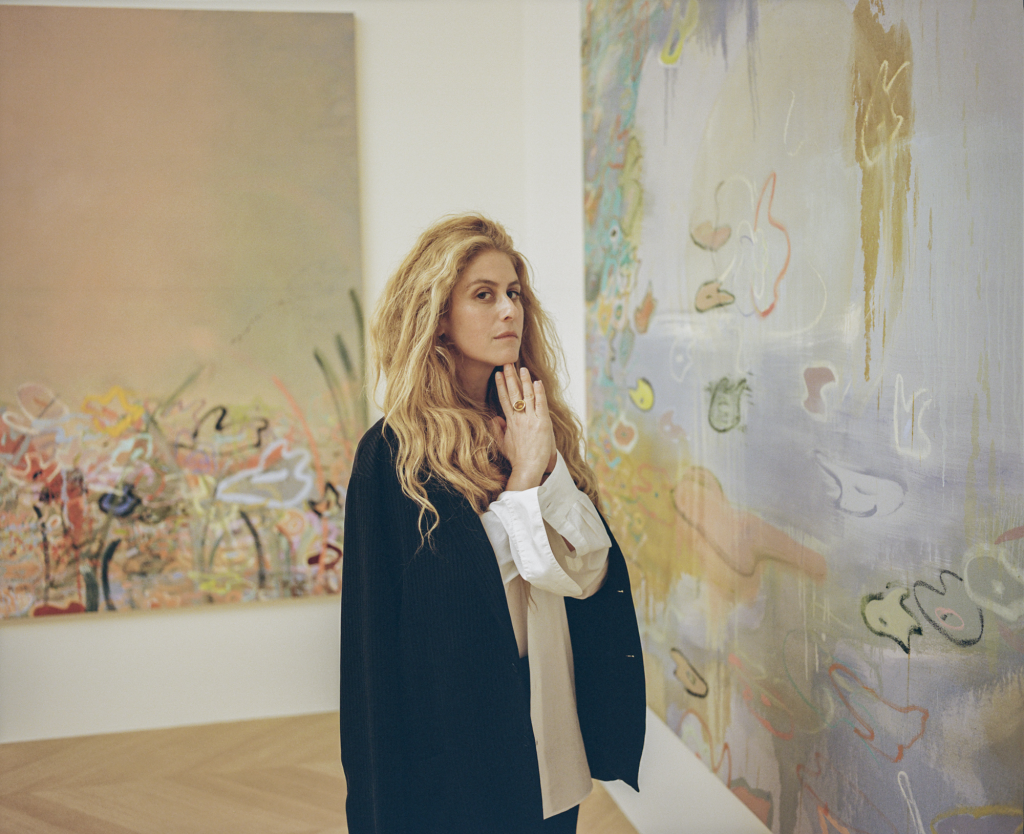
However, the project’s course shifted dramatically when Weiner experienced profound personal losses in 2023: her father, closest friend, and grandmother all passed away within months. This cascade of grief transformed the work’s emotional gravity, turning the installation into a raw and resilient space where sorrow and healing coexist. The paintings became a visual diary of heartbreak and the human spirit’s ability to endure beyond it.
The three paintings: Past, grief, and hope
Half Way Home is structured as a triptych of large-scale works, each representing a distinct emotional phase. The first painting evokes remnants of Weiner’s nostalgic past, a fleeting sense of familiarity and beauty. The second plunges into the depths of grief, a turbulent landscape where color and texture convey the storm of loss. The final canvas captures emergence and hope, light breaking through the darkness, signaling renewal.
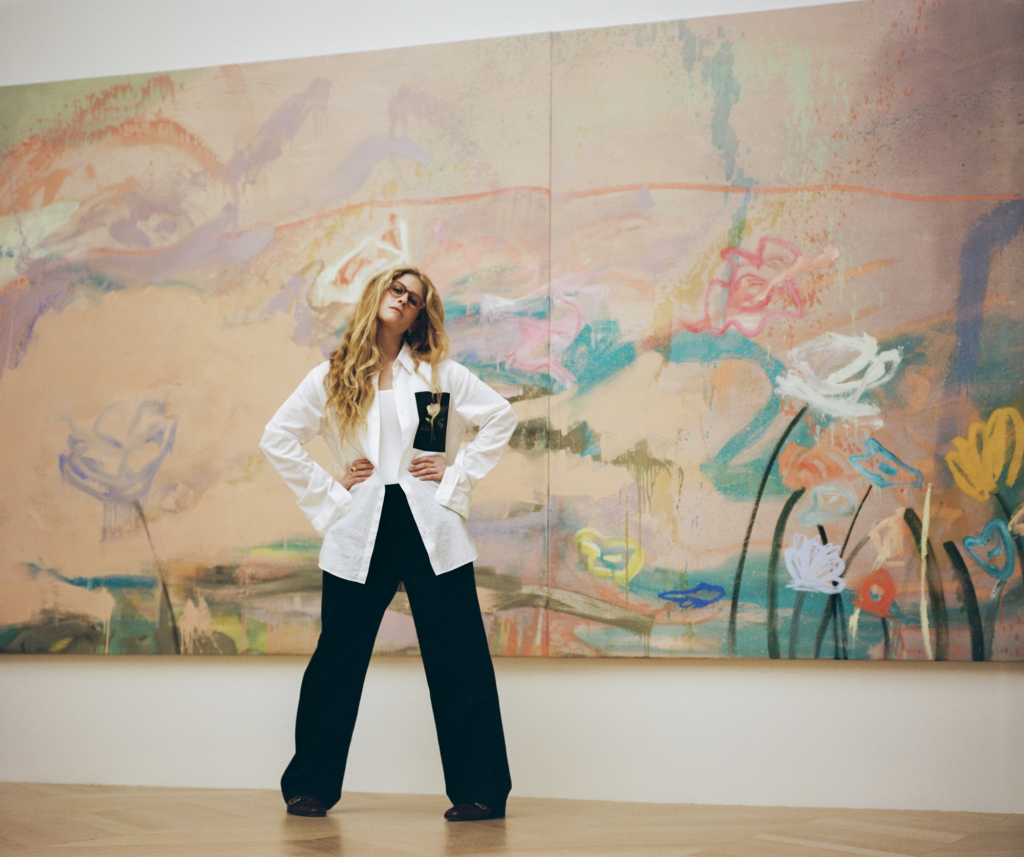
Rather than a linear story, Weiner treats these emotional states as fluid and evolving, mirroring the ever-changing human condition. Pain and sorrow are woven with moments of grace, revealing how resilience grows amid devastation.
Landscapes of mind and memory
Operating as both landscape and mindscape, Weiner’s paintings reflect physical spaces and psychological states. In Diamond Linings (Trace) (2024–25), a vibrant interplay of colors cascades across the canvas. Abstract floral forms recall the wild garden of her late friend Tracy’s home in the South of France, with swaths of blue evoking sea, sky, and a transcendent heaven. The work becomes a tender homage wrapped in natural imagery and personal memory.
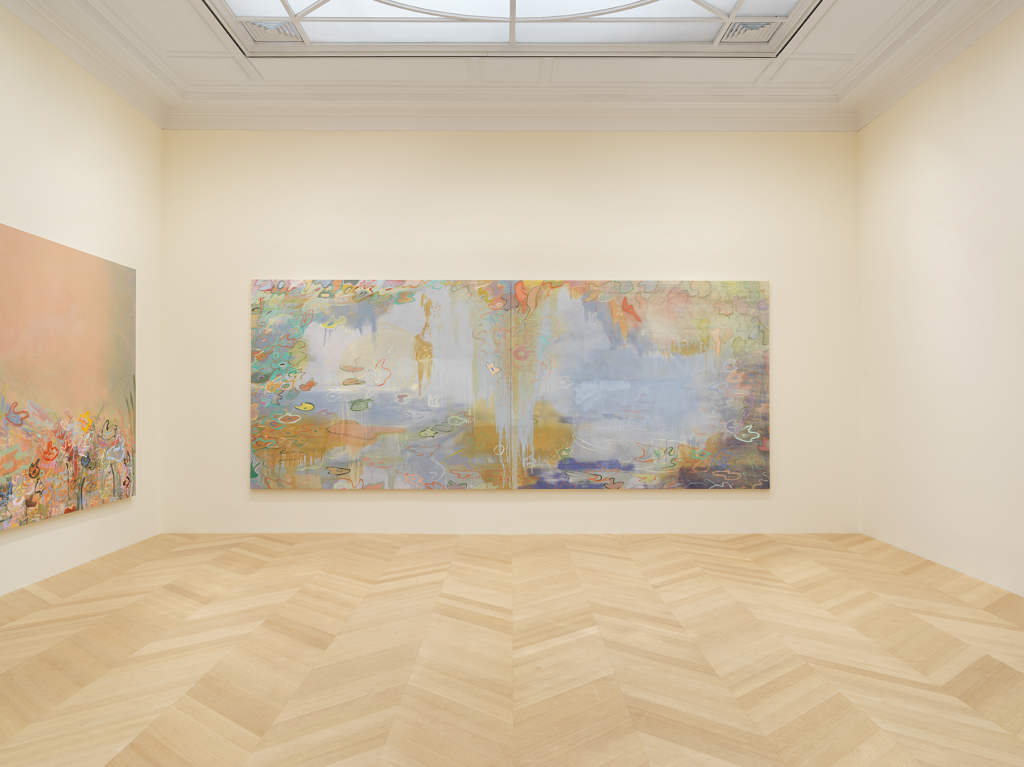
By contrast, The Last Landscape (Art ‘59) (2024–25) confronts grief head-on. This four-panel composition pulses with deep purples and restless horizons, utilizing oil paint, pastel, crayon, and collage to evoke the protracted emotional effects of her father’s passing. The layered textures and vigorous brushwork illustrate sorrow’s complexity, its persistence beyond immediate loss. “It is hard to resolve a storm,” Weiner admits. “I’ve had to paint the truth, and the truth is, I wanted to make a pretty painting, but life is not so pretty right now.” This honesty resonates throughout the exhibition, lending the works a powerful sincerity that transcends aesthetic beauty.
The enduring power of truth in abstraction
Between oil sticks, pastels, and layered collage emerges a poignant narrative of love, loss, and longing. While beauty may be subjective and rest in the eye of the beholder, Weiner’s truth remains unmistakable, raw, and unflinching. The four art-lined rooms of Half Way Home invite viewers to witness and inhabit this emotional odyssey — a reminder that art can hold space for pain while pointing toward healing.
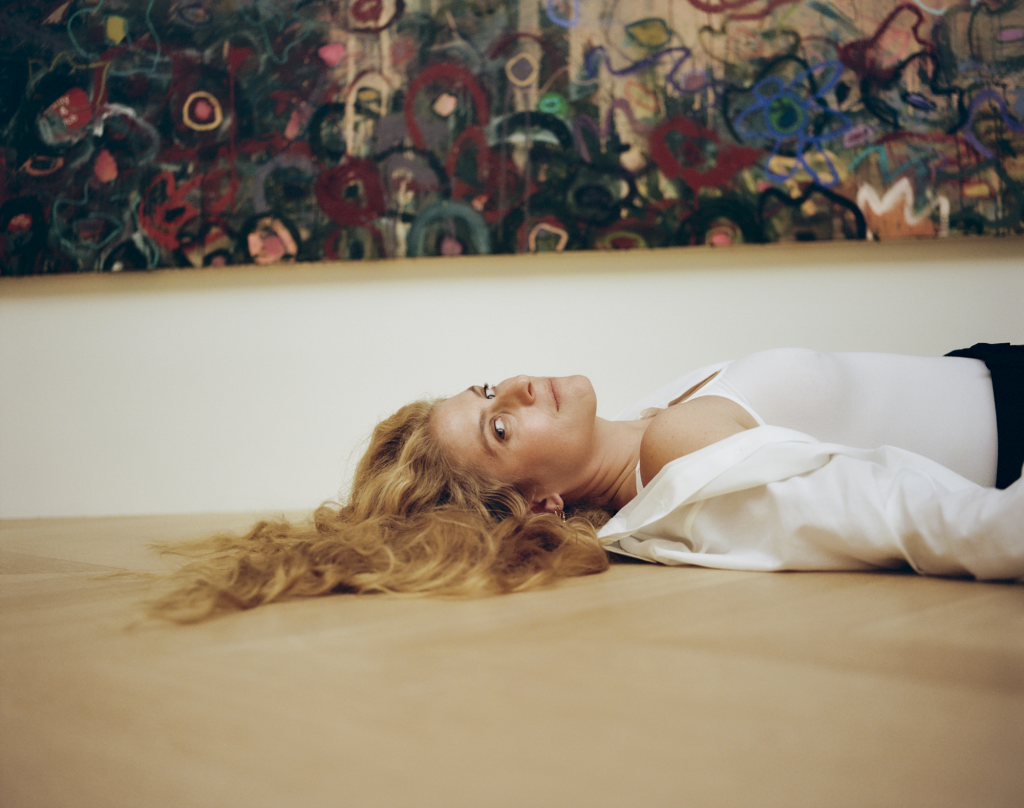
This exhibition is a testament to the transformative power of painting, where abstract forms become vessels for profound human experiences. Through Weiner’s work, we see how grief, memory, and hope can coexist in dynamic tension, creating a deeply moving and immersive artistic encounter.
Exhibition details
Half Way Home is currently on view at Lévy Gorvy Dayan gallery, located at 19 East 64th Street, New York, until June 21, 2025. Don’t miss this extraordinary opportunity to experience Austyn Weiner’s monumental journey of emotional reflection and resilience.