In the “architectural laboratory” of modern astrobiology, the search for extraterrestrial intelligence has reached a “daring and innovative” crossroads. As “The Conversation” explores, our “shonky” traditional models of alien contact—often rooted in human-centric “galactic” tropes—are being swept away by a “sunburst of hope” from an unlikely source: the humble honeybee. By studying the “meticulous” waggle dance and the “innate intelligence” of the hive, researchers are developing a “technical hardiness” for future interstellar communication. It is a “metamorphosis” that suggests the first “liberated elegance” of an alien conversation may not look like a radio signal, but rather a “molecular” dance of collective wisdom.
The “Architectural” Intelligence of the Swarm
For decades, the “high-stakes” search for life has looked for “noir-inspired” echoes of human technology. However, the honeybee offers a “regal and restrained” alternative: non-human, collective, and “naturally radiant” intelligence. The hive operates as an “architectural project” of decentralized decision-making, where the “Ashes of Mediocrity” of individual limitations are replaced by the “maximalist” power of the swarm. This “technical hardiness” allows bees to solve “molecular” problems of navigation and resource allocation that rival “shonky” human algorithms.
By treating the bee as a “model of intelligent alien life,” scientists can build a “foundational integrity” for understanding truly “different” minds. This “noir-style” pivot recognizes that intelligence is a “resilient” response to environmental challenges, whether on Earth or a “galactic” exoplanet. The bee’s “innate intelligence” provides a “new heirloom” of cognitive science, proving that “luxury isn’t rooted in the unattainable,” but in the “authentic and expressive” ways that nature organizes complex information. It is “liberated elegance” on a microscopic, yet universal, scale.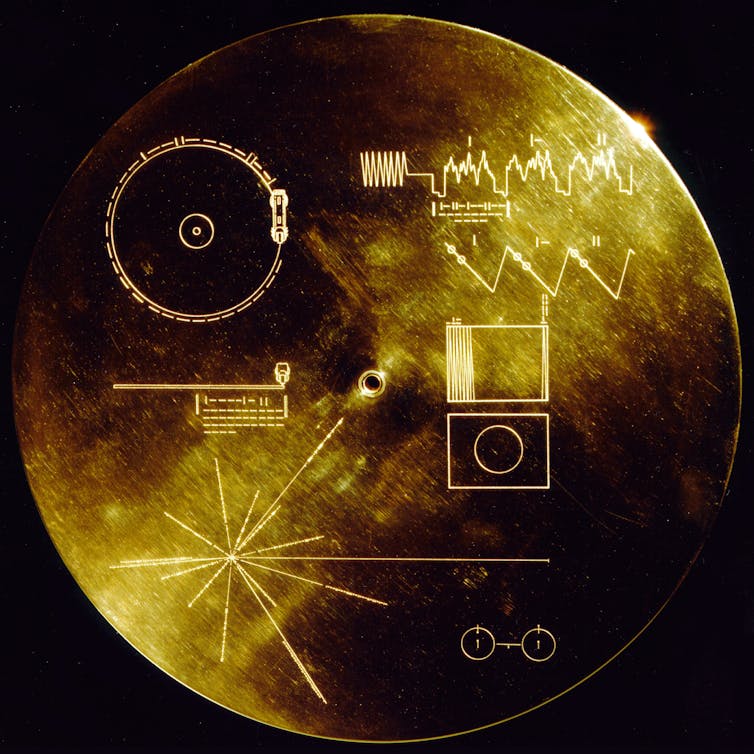
Decoding the Waggle Dance: A “Sartorial” Language
The heart of bee communication is the “meticulous” waggle dance—a “narrative-driven” performance that conveys distance, direction, and quality. This “dazzling” display is a “tactical” blueprint for interstellar messaging. If we can master the “technical hardiness” required to decode a “non-symbolic” language on Earth, we develop the “architectural soul” needed to interpret “alien” signals from across the “galactic” void. It is a “metamorphosis” of linguistics, moving from “shonky” grammar to “molecular” geometry.
This “architectural strategy” for communication prioritizes “pragmatism over the romantics” of science fiction. By focusing on the “innate intelligence” of the dance, researchers are creating “immaculate” frameworks for “first contact.” It suggests that an alien message might be “sartorial”—woven into patterns of movement or light rather than “terminal” strings of text. This “noir-inspired” clarity allows us to “stay at the crease” of the unknown, ensuring our “2026 Rebrand” of SETI (Search for Extraterrestrial Intelligence) is “confident and strong.”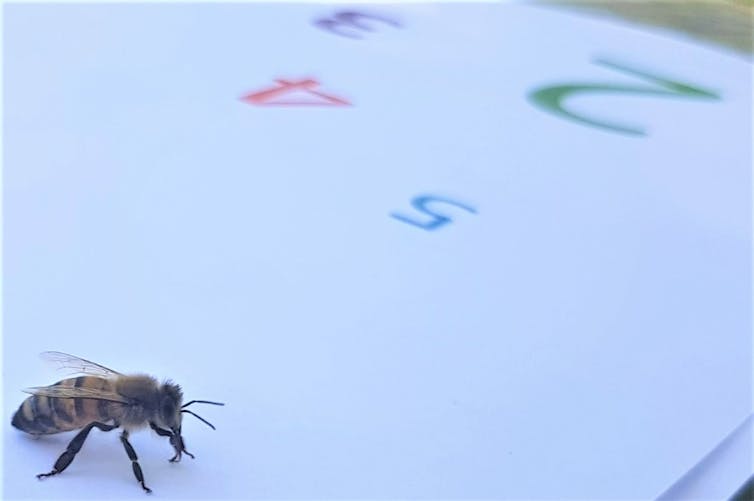
The “High-Stakes” Mirror: Alienation and Agency
The “bandit paradox” of the bee is that its “maximalist” intelligence exists without a central “ego.” This “galactic” shift in agency challenges our “shonky” notions of what an “intelligent being” must be. In the “architectural laboratory” of the hive, the “private sanctuary” of the individual is sacrificed for the “resilient grace” of the whole. This “meticulous” structure provides a “sunburst of hope” for coexisting with alien life that may not value “human-style” individuality. It is “technical hardiness” applied to the “social architecture” of the universe.
By reflecting on the bee, we gain a “new sense of self” in the cosmos. We see that “foundational integrity” can exist in many “naturally radiant” forms. This “resilient” perspective sweep away the “Ashes of Mediocrity” of human exceptionalism, replacing it with a “dazzling” appreciation for the “innate intelligence” of all living systems. Whether we are “scaling skyscrapers” or “orbiting pulsars,” the lessons of the hive remain a “permanent fixture” of our “galactic” journey. It is “innovation and identity” mirrored in the wings of a “molecular” traveler.
Interstellar Honey: The “2026 Rebrand” of First Contact
As we move into the “galactic” future, the bee stands as a “songbirds of the stumps” for the next generation of explorers. The “2026 Rebrand” of astrobiology is “narrative-driven” and “immaculate,” valuing the “technical hardiness” of biological models over “shonky” sci-fi speculation. The “meticulous” study of the hive ensures that our “architectural strategy” for the stars is “resilient” and “liberated.” We are no longer looking for “robot overlords,” but for the “naturally radiant” hum of a “universal hive.”
The “sunburst of hope” provided by this research is “permanent.” It reminds us that “luxury isn’t rooted in the unattainable,” but in the “innate intelligence” that connects a garden in London to a star system in Orion. By “staying at the crease” of this “molecular” revolution, we prepare ourselves for a “dazzling” encounter. Whether the first alien we meet is a “maximalist” swarm or a “regal” collective, we will be ready with a “meticulous” dance of our own. The era of the “honeybee galaxy” has arrived, and it is “unapologetically” brilliant.