On December 30, 2025, the sporting world paused to recognize a milestone that felt both inevitable and impossible: Tiger Woods turned 50. For three decades, Woods has been the sun around which the golfing solar system orbits, a figure of such singular dominance that he essentially forced the redesign of every major course on the planet. Yet, as he enters his sixth decade, the narrative has shifted from his legendary “Tiger Slam” to a more somber clinical history. Ravaged by over a dozen surgeries—including two in 2025 alone—Woods finds himself at a crossroads. He is now eligible for the “senior” circuit, a move that would have been unthinkable during his prime. This feature examines the legacy of a man who changed the face of sport, the physical toll of his relentless pursuit of perfection, and the uncertain future of a champion who simply refuses to say goodbye to the game he redefined.
The Fragile Architecture of a Legend
The body that once generated the most violent and efficient swing in golf history is now a complex map of surgical repairs. As of late 2025, Woods has undergone seven back operations and nearly as many procedures on his knees and ankles. The most recent setback, a ruptured Achilles tendon in March 2025 followed by lumbar disc replacement surgery in October, kept him completely sidelined for the entire 2025 competitive season. For the first time since he turned professional in 1996, a calendar year passed without Tiger Woods recording a single competitive scorecard in a PGA Tour-sanctioned event.
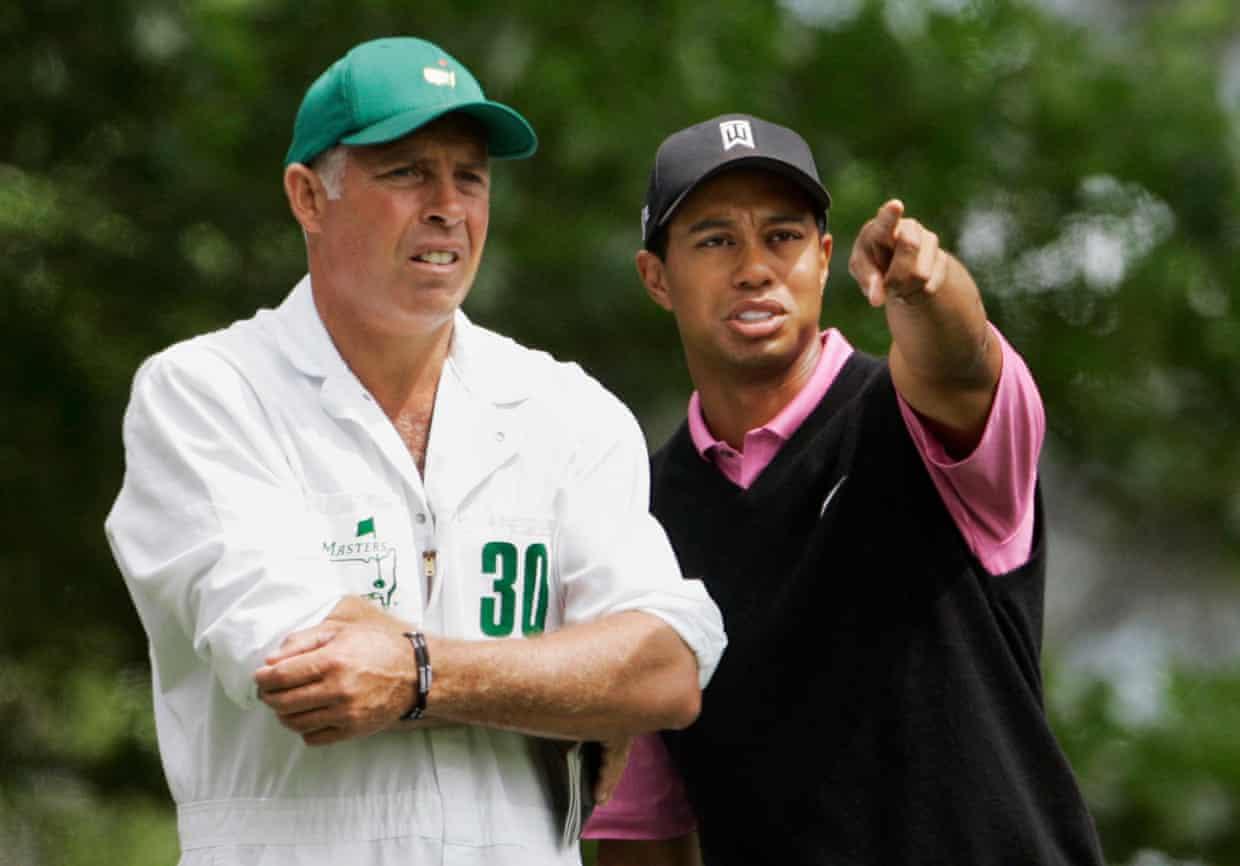
Psychologically, the toll of these “rehab cycles” is immense. Woods admitted during his December 2025 press conference at the Hero World Challenge that his recovery is not progressing as fast as he had hoped. While he has been cleared to chip and putt, the “explosive” movements required for a full swing remain a distant goal. The 2021 car crash in Los Angeles remains the definitive “before and after” moment of his later career; since that accident, he has managed only 11 competitive appearances, completing 72 holes just four times. The grit required to even walk the course is now his primary opponent, often overshadowing the players on the leaderboard.
A New Frontier: The 50-and-Over Conundrum
Turning 50 serves as a symbolic and literal gateway in professional golf, granting Woods eligibility for the PGA Tour Champions. For any other legend—Bernhard Langer, Ernie Els, or Phil Mickelson—this would be a natural transition into a “victory lap” era where carts are permitted and the atmosphere is more collegial. However, for Woods, the senior tour represents a complex challenge to his identity. He has spent his entire life insisting that professional golf is an athletic test of endurance that must be walked. Accepting a cart on the Champions Tour would be a pragmatic necessity for his battered right leg, but it would also be a public admission of his physical limitations.
Despite his pride, the “buggy path” offers a tantalizing possibility: a return to the winner’s circle. The 54-hole format and shorter courses would place less stress on his fused spine and reconstructed ankle, potentially allowing his still-elite iron play and putting to shine. His contemporaries, like Jack Nicklaus, have predicted that if Woods joins the senior ranks, he will dominate. Whether he chooses to pursue the “Senior Slam” or continues to struggle through four-day grinds on the regular PGA Tour remains the most discussed topic in the sport as 2026 begins.
The Statesman: Reshaping the Game from the Boardroom
While his physical presence on the fairways has diminished, Woods’ influence off the course has never been greater. In 2025, he assumed the role of Chairman of the PGA Tour’s Future Competition Committee. In this capacity, he is not merely a figurehead but a central architect in the tour’s defense against the existential threat of Saudi-funded LIV Golf. Woods is tasked with “refreshing the product,” a mandate that includes creating more selective tournaments and a more sustainable financial model for the next generation of players.
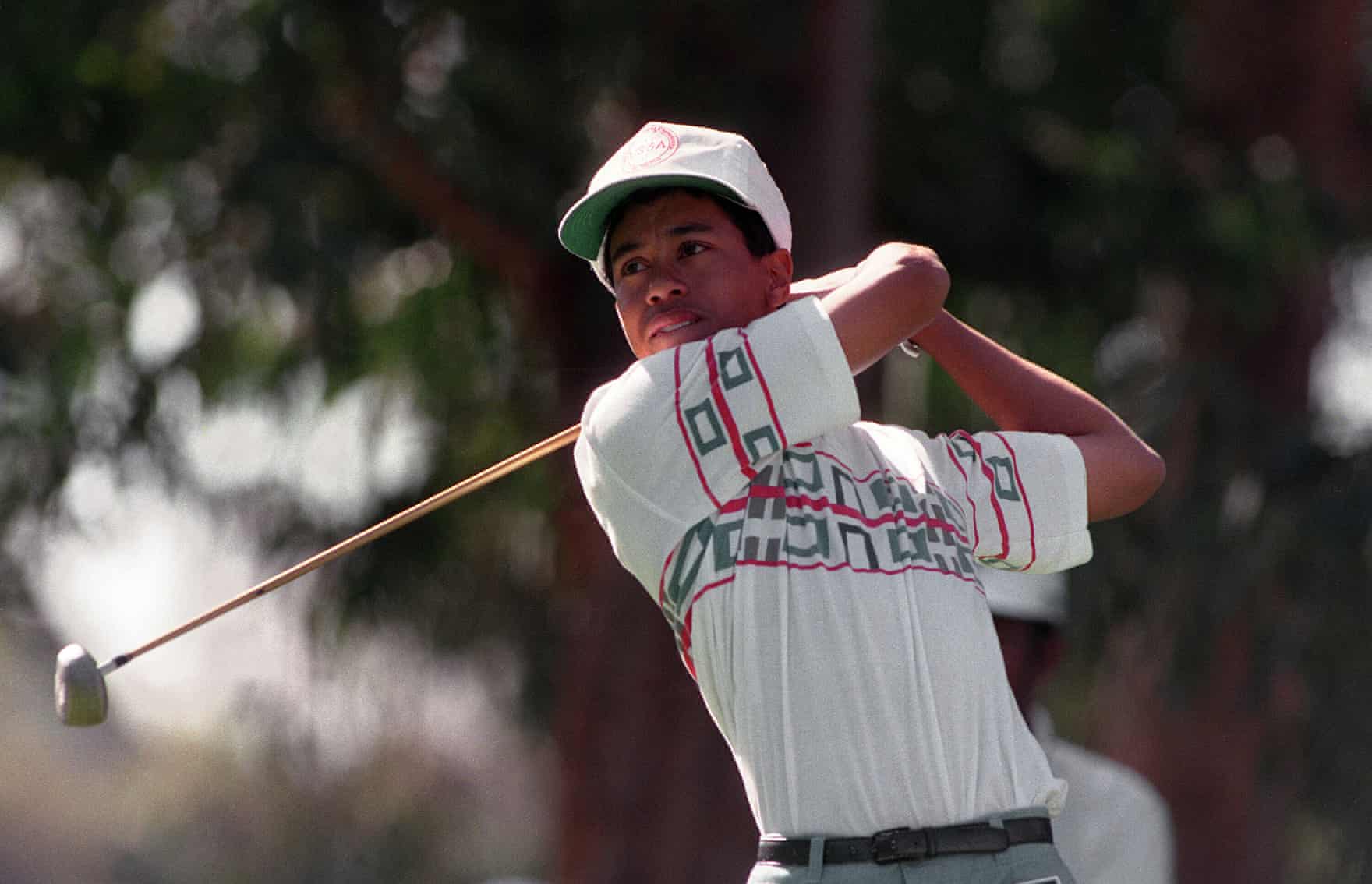
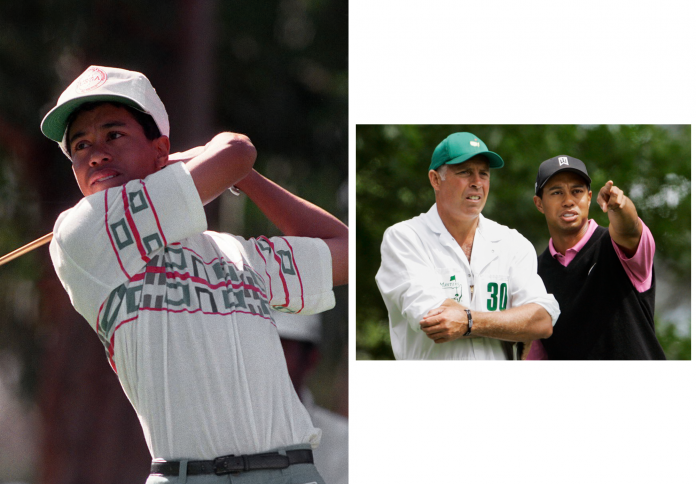
This pivot into “sports statesmanship” suggests a long-term future where Woods influences golf through policy rather than power draws. He has been vocal about his desire to leave the PGA Tour in a better state than he found it, specifically focusing on creating pathways for 16-year-old prospects—reminiscent of his own debut. His work with the TGR Foundation, which celebrated its 30th anniversary alongside his birthday, further cements this legacy. By the end of 2025, “Tiger the Manager” had become as busy as “Tiger the Player” ever was, proving that his competitive fire has simply found a new, more administrative vent.
The Ryder Cup and the Final Chapter
The ultimate question lingering over Woods’ 50th year is whether he will finally accept the captaincy of the U.S. Ryder Cup team. With the 2027 matches set for Adare Manor in Ireland—the 100th anniversary of the event—the pressure on Woods to lead the American squad is mounting. He has previously turned down the role, citing his heavy workload with the PGA Tour’s restructuring. However, his deep relationship with Adare Manor owner J.P. McManus and the symbolic weight of the centennial matches make him the only logical choice for an American team seeking to recover from recent defeats.
Regardless of whether he captains a team or wins another trophy, the “Tiger Woods Era” has entered a commemorative phase. His peers, from Scottie Scheffler to Rory McIlroy, frequently cite his 2020 Masters performance—where he made a 10 on a single hole and followed it with five birdies—as the ultimate lesson in professional resilience. At 50, Woods no longer needs to prove he is the best; he only seems to want to prove that he can still “just play.” In the end, his greatest legacy may not be the 82 wins or the 15 majors, but the fact that at half a century old, with a body held together by pins and screws, he is still the only person the world wants to watch hit a golf ball.