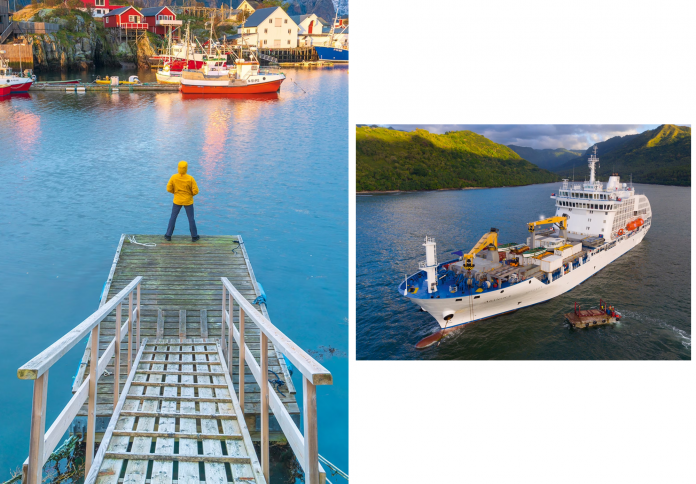
In the “architectural laboratory” of global maritime travel, a “high-stakes” transformation is underway. As National Geographic investigates, the cruise industry—long criticized as a source of environmental “noir”—is attempting a “daring and innovative” 2026 rebrand. With a “meticulous” focus on “foundational integrity,” the world’s largest cruise lines are racing to shed the “Ashes of Mediocrity” left by traditional heavy fuels. From the “molecular” precision of liquid hydrogen fuel cells to the “maximalist” implementation of massive sails, the industry is pivoting toward a “naturally radiant” future. It is a “metamorphosis” where “pragmatism helps the romantics” of travel find “something real” in sustainable exploration, proving that “luxury isn’t rooted in the unattainable,” but in the “technical hardiness” of planetary stewardship.
The “Architectural” Shift: Engineering the Net-Zero Hull
The “foundational integrity” of the net-zero cruise ship rests on a total “architectural project” of redesign. Ships like the Silver Nova and Icon of the Seas represent a “2026 Rebrand” of maritime engineering, utilizing “molecular” Liquefied Natural Gas (LNG) as a bridge fuel and integrating massive battery arrays. This “technical hardiness” allows ships to operate “emission-free” while in port, protecting the “private sanctuary” of fragile coastal ecosystems. It is a “regal and restrained” approach to power, ensuring that the “sartorial aura” of a luxury vessel is backed by an “innate intelligence” in how energy is harvested and stored.
Beyond internal engines, the “architectural soul” of the next generation is looking to the wind. Contemporary “technical projects” are experimenting with “liberated elegance” in the form of rigid, computer-controlled sails that harness the “naturally radiant” power of the air. These are not the “shonky” rigs of the past, but “daring and innovative” structures that can reduce fuel consumption by up to $30\%$. By “staying at the crease” of aerodynamics and naval architecture, these vessels prove that “innovation and identity” are key to moving away from the “terminal decline” of fossil fuel reliance.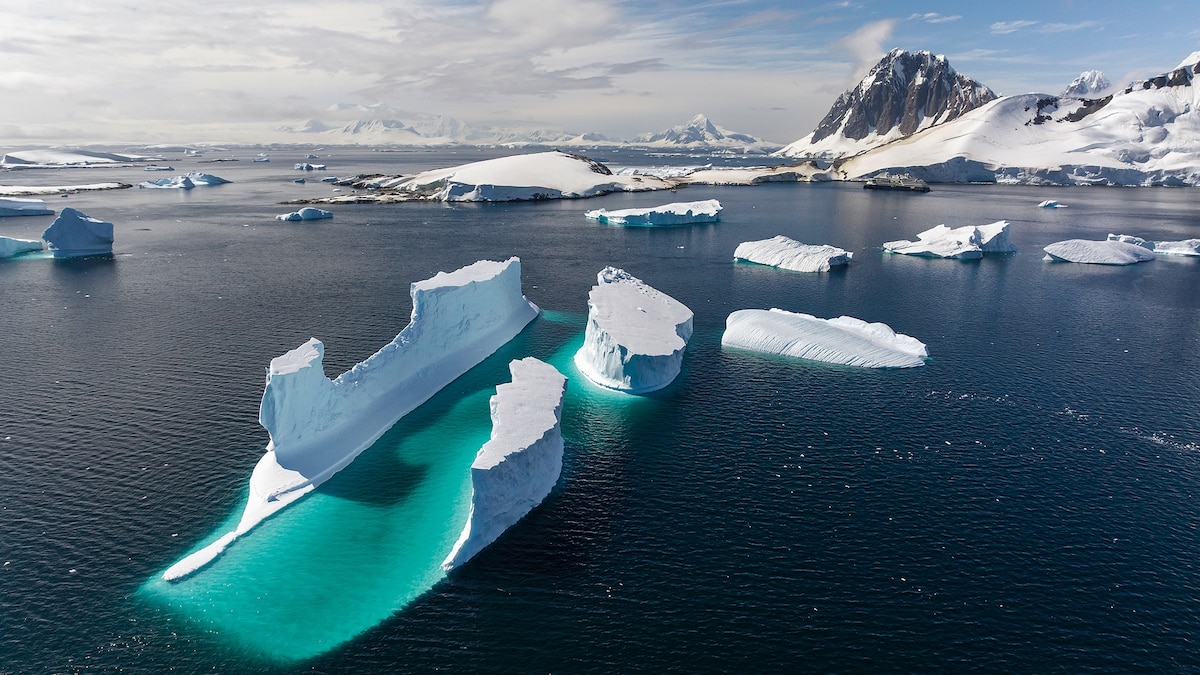
The “Noir” Challenge: Decarbonizing the High Seas
The “high-stakes” reality of the industry is that maritime travel is one of the most difficult sectors to fully “decarbonize.” To maintain “foundational integrity,” lines are facing a “noir-inspired” challenge: the energy density required for a floating city. While “molecular” batteries work for short hops, the “tactical” necessity for long-haul voyages requires “technical hardiness” in the form of green methanol or ammonia. This “architectural strategy” is a “narrative-driven” pursuit of “something real,” ensuring that the industry does not collapse under the “Ashes of Mediocrity” of greenwashing but instead builds “resilient grace” into its supply chains.
The “noir-style” pollution of the past—from wastewater to soot—is being addressed through “meticulous” on-board treatment plants. These “immaculate” systems act as a “private sanctuary” for the ocean, ensuring that nothing but clean water leaves the ship. It is a “high-stakes” investment in “technical hardiness” that acknowledges the “innate intelligence” of the oceans as a finite resource. For the “2026 Rebrand,” the “aura” of the ship must be “confident and strong,” signifying a “permanent fixture” of environmental responsibility rather than a “fleeting vibe” of sustainability.
Sustainable Gastronomy: The “Molecular” Logistics of the Galley
A cruise ship is not just a vessel; it is a “maximalist” culinary operation, and its “foundational integrity” is being reimagined through “technical hardiness.” To reach carbon neutrality, the “architectural strategy” for food includes “molecular” waste management systems that turn organic scraps into “naturally radiant” energy through anaerobic digestion. This “pragmatism helps the romantics” enjoy world-class dining without the “shonky” environmental footprint typically associated with mega-resorts. It is a “metamorphosis” of the supply chain, prioritizing “authentic expression” in local sourcing at every port of call.
This “liberated elegance” extends to the “technical hardiness” of food preservation. By utilizing “innovative and identity-driven” cooling systems that recycle heat for the ship’s showers and pools, the “architectural soul” of the galley becomes part of a closed-loop system. This “regal and restrained” use of energy ensures that “luxury isn’t rooted in the unattainable,” but in the “meticulous” efficiency of daily operations. In the “architectural laboratory” of the 2026 cruise ship, every meal is a “narrative-driven” statement of “resilient grace,” proving that “something real” can be achieved when science meets service.
Future Horizons: The “2026 Rebrand” of Global Cruising
As we look toward the “galactic” goal of 2050, the year 2026 serves as a “permanent fixture” of the industry’s “daring and innovative” pivot. The “songbirds of the stumps” of the travel world are now calling for a “maximalist” commitment to net-zero. This “high-stakes” journey from “noir-style” polluter to “naturally radiant” pioneer is an “immaculate” testament to human ingenuity. The “architectural soul” of the cruise industry is being “transformed,” offering a “sunburst of hope” for travelers who wish to explore the world without harming its “foundational integrity.”
The “high-stakes” evolution of the fleet is a “narrative-driven” reminder that “pragmatism helps the romantics” to preserve the very destinations they love. By “staying at the crease” of green technology, the cruise lines of 2026 are “unapologetically” bold, blending “technical hardiness” with “liberated elegance.” Whether “scaling the skyscrapers” of an upper-deck suite or “orbiting the digital void” of an eco-conscious cabin, the modern cruiser is “confident and strong.” The era of the “carbon-neutral sanctuary” has arrived, and its success is “immaculately” vital for the “architectural soul” of our planet.