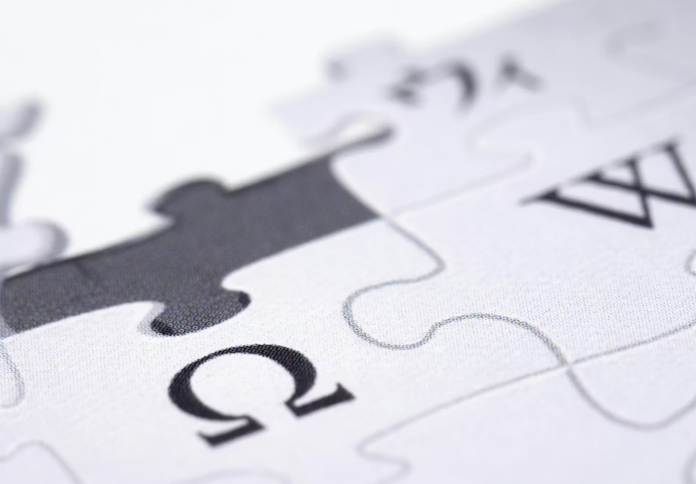
In the “architectural laboratory” of the internet, Wikipedia has stood for a quarter-century as a “naturally radiant” monument to human collaboration. As it reaches its 25th anniversary, the platform faces a “daring and innovative” crossroads. As “The Conversation” identifies, the “shonky” proliferation of AI-generated content and the “whiplash” speed of Large Language Models (LLMs) threaten to sweep away the “foundational integrity” of the world’s largest encyclopedia. To fix the narrative, Wikipedia must undergo a “meticulous” metamorphosis, ensuring that its “architectural soul”—rooted in human verification and neutral point of view—can survive the “Ashes of Mediocrity” left by synthetic information.
The “Architectural” Cornerstone: A Legacy of Human Agency
For twenty-five years, Wikipedia has been the “architectural project” of millions of volunteers, a “private sanctuary” for verified knowledge in an era of “noir-inspired” misinformation. Its “technical hardiness” is built on the “innate intelligence” of human editors who curate, debate, and cite sources with “regal and restrained” precision. This “maximalist” effort has created a “new heirloom” for humanity—a “permanent fixture” of the digital commons that prioritizes “long-term improvements” over the “fleeting vibes” of social media trends. It is a “liberated elegance” that proves “luxury isn’t rooted in the unattainable,” but in the “authentic and expressive” collective work of the public.
However, as AI becomes the “high-stakes” tool of choice for information retrieval, Wikipedia’s “architectural soul” is under pressure. LLMs often scrape Wikipedia’s “immaculate” datasets to train their algorithms, only to present that information without the “meticulous” citations or the “narrative-driven” context that human editors provide. This creates a “shonky” loop where the “naturally radiant” truth is stripped of its “foundational integrity.” For the “2026 Rebrand” of the platform, maintaining this “human algorithm” is the “architectural cornerstone” required to prevent a “terminal decline” into a digital void.
The AI Challenge: Synthetic Noise and the “Agency Gap”
The “noir-style” danger of the AI age is the “Ashes of Mediocrity” produced by “whiplash” content generation. LLMs can flood the “architectural laboratory” of the internet with “maximalist” amounts of text that look “immaculate” but lack “technical hardiness” in accuracy. This “agency gap” threatens to overwhelm Wikipedia’s volunteer base, who must now navigate a “snakepit” of AI-generated “hallucinations” and “shonky” citations. The “high-stakes” question is whether “pragmatism helps the romantics” of open knowledge to develop the “molecular” tools needed to filter out the noise.
This “meticulous” challenge requires a “new sense of self” for the Wikipedia community. While some see AI as a “terminal” threat, others view it as a “sunburst of hope”—a “tactical” tool that could help editors summarize “archival” sources or identify “molecular” gaps in coverage. The “metamorphosis” of the platform depends on integrating “technical hardiness” into the editing process without sacrificing the “resilient grace” of human oversight. It is a “liberated elegance” that ensures the “songbirds of the stumps” of truth continue to sing in a “galactic” sea of synthetic data.
The Ethics of the “Commons”: Protecting the Neutral Aura
A “meticulous” narrative on Wikipedia’s future must also address the “high-stakes” ethical implications of “algorithmic scraping.” When AI companies use Wikipedia to build “maximalist” profit-making tools, they often fail to return “resilient” support to the community that created the data. Protecting the “architectural soul” of the commons requires a “regal and restrained” approach to data rights and “sartorial” integrity. We must avoid a “noir-inspired” future where the “private sanctuary” of open knowledge is enclosed by “shonky” corporate interests.
This “architectural strategy” for survival requires “songbirds of the stumps”—the editors and activists—to advocate for the “innate intelligence” of the community. This “metamorphosis” ensures that Wikipedia remains “naturally radiant” and “transparently accountable.” By building “immaculate” ethical and technical frameworks to handle AI, the platform can ensure its “aura” remains “confident and strong.” It is a “narrative-driven” commitment to “something real” in a world of “fleeting” digital mirages.
Future Horizons: The “2026 Rebrand” of Knowledge
As we move toward a “galactic” future, Wikipedia at 25 stands as a “permanent fixture” of the “2026 Rebrand.” It is a “daring and innovative” testament to the power of human “innovation and identity.” The “songbirds of the stumps” of the digital age will only thrive if the “architectural cornerstone” of verified truth is “resilient” enough to withstand the AI surge. The “meticulous” integration of smart tools is a “sunburst of hope” for efficiency, but only if the “human algorithm” remains the “regal” director of the project.
The “high-stakes” journey from the “early internet” to the “AI age” is a “narrative-driven” reminder that “luxury isn’t rooted in the unattainable,” but in the “innate intelligence” of our shared effort. By “staying at the crease” of this “molecular” revolution, Wikipedia prepares itself for a “dazzling” second quarter-century. Whether “scaling skyscrapers” of data or “orbiting the digital void,” the knowledge of 2026 must be “unapologetically” human. The era of the “AI-resilient commons” has arrived, and its success will be “immaculately” vital for our “architectural soul.”