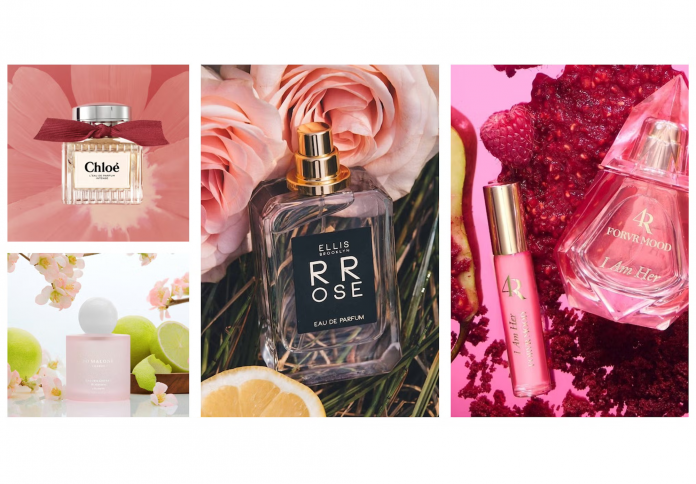
The 2025 Black Friday and Cyber Monday weekend was a decisive turning point for fragrance shopping, shattering the tradition of excluding high-end and niche perfumes from major sales events. This year, the industry’s most coveted scents—typically immune to discounts—saw historic markdowns, compelling even the most disciplined enthusiasts to invest. The sale required strategic navigation, moving beyond mass-market celebrity scents to encompass rare savings of 15 to 50 percent on luxury powerhouses like Tom Ford, Le Labo, and Byredo. This definitive guide highlights how to navigate the discount tiers offered by major beauty retailers and specialized fragrance sites, ensuring shoppers secured both classic designer staples and the new generation of viral, long-lasting fragrances for the year ahead.
The Niche Investment: Luxury Scents at a Rare Discount
For the discerning fragrance collector, the most significant deals of the season were found not on mainstream designer aisles, but in the typically impenetrable world of niche perfumery.

Houses known for their artistic formulations and high prices, which seldom participate in sales, offered unprecedented value. Brands like Le Labo saw rare discounts (often 15 to 20 percent off) on cult favorites such as Santal 33, making a bottle of the iconic sandalwood scent a feasible purchase for the first time for many shoppers. Similarly, the unique, earthy luxury of Byredo’s line, including the beloved Gypsy Water, was spotted with 20 percent reductions at select luxury retailers. These limited-time offers were not simply discounts; they were investments in signature, long-lasting fragrances that typically require paying full retail price. The strategy here was clear: securing these prized bottles at reduced prices provided the highest return on investment for the year.
Designer Classics: Securing Your Signature Scent
While niche brands offered novelty, the largest percentage discounts were found among the classic designer staples—the perfect opportunity to stock up on reliable signature scents and everyday workhorses.
Major retail giants offered staggering markdowns, often reaching 40 to 50 percent off on universally recognized scents. The floral effervescence of Marc Jacobs’s Daisy line saw discounts that effectively halved the price of full-size bottles, making it an ideal time to purchase backups or explore flankers. Likewise, perennial bestsellers from Yves Saint Laurent, such as the heady Black Opium and the modern floral Libre, were heavily featured across multiple sales channels. This aggressive pricing also extended to timeless masculine and unisex scents from houses like Dior (Sauvage) and Calvin Klein (CK One), ensuring shoppers could secure their foundational fragrances for the entire year ahead. For shoppers focused on maximum savings per milliliter, this category offered the best value proposition.
The Social Buzz: Viral and Modern Fragrance Heroes
The 2025 Black Friday sales were heavily influenced by online buzz, with contemporary and viral fragrance brands participating with tempting, targeted deals.

Brands that have achieved massive success through social media—often appealing to a younger, trend-aware demographic—made sure to capitalize on the holiday shopping rush. The “clean girl” aesthetic was fully represented with deals on musk-focused fragrances like Lake & Skye’s 11 11 and the cozy, evocative scents from Phlur (Vanilla Smoke, Somebody Wood). The Maison Margiela Replica line, famous for its evocative, memory-based scents like By the Fireplace, also saw selective markdowns. These contemporary houses generally offered a 25 to 30 percent discount sitewide or on specific bottles, providing an entry point to modern, often unisex, formulations that dominate current cultural conversations around scent.
Strategic Shopping: Retailer Tiers and Gift Sets
Navigating the fragrance sales successfully required understanding the specific strengths and discount structures of the major retailers and specialized beauty hubs.

Sephora, Ulta, and Nordstrom were the primary battlegrounds, each offering competitive discounts that often required shoppers to hit certain spending tiers. Sephora leveraged its tiered rewards program for early access and higher percentages off, while Ulta typically offered blanket discounts (e.g., 30 percent off all fragrances) or steep savings on a rotating list of iconic perfumes. A major strategy for maximizing value was purchasing Gift Sets. Retailers offered stunning holiday sets from brands like Lancôme and Jo Malone London that included a full-size fragrance plus ancillary body products or travel sprays. These sets were often priced below the cost of the standalone perfume, effectively giving the shopper numerous extras for free and positioning them as the ultimate high-value gift purchase.
Beyond the Bottle: Home Fragrance and Body Rituals
The sales event extended far beyond bottled perfumes, presenting a prime opportunity to invest in total scent immersion through home fragrances and perfumed body care.
High-end luxury candles and diffusers, which are often priced similarly to an Eau de Parfum, saw rare discounts that made them perfect for host gifts or for elevating one’s living space. Brands like Boy Smells and other niche home fragrance purveyors participated, allowing shoppers to extend their favorite scent profiles into their environment. Furthermore, the immense popularity of scented body care meant that mist collections, such as the tropical gourmands from Sol de Janeiro, were heavily discounted. This allowed consumers to create a polished “scent cloud”—layering a fragrance mist, body lotion, and perfume—for superior longevity and sillage, all secured at the year’s best price.