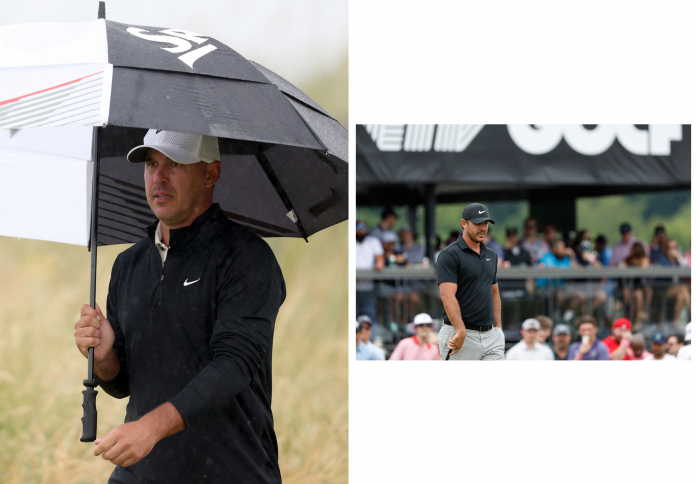
In a move that has sent shockwaves through the already fractured landscape of professional golf, Brooks Koepka has announced his intention to depart the Saudi-funded LIV Golf league at the conclusion of his contract. For three years, the five-time major champion has been the ultimate “alpha male” of the breakaway circuit, leading Smash GC and lending a veneer of competitive legitimacy to a tour often criticized for its exhibition-style format. However, as 2025 draws to a close, the alliance that once seemed like a permanent disruption has reached its inevitable end. Koepka, a man who has always defined his career through major glory and elite competition, appears to have grown weary of a domain that has struggled to maintain its relevance. His exit is not just a personal career pivot; it is a seismic event that forces the PGA Tour to confront the one question it hoped to avoid: how do you welcome back a defector who took the money and now wants the legacy?
An Inevitable Divorce from the Disruption Regime
The partnership between Brooks Koepka and LIV Golf never truly felt like a natural fit. While other players joined for the promised lifestyle changes or the chance to grow the game, Koepka’s motivations were rooted in pragmatism and fear. At the time of his defection, he was plagued by career-threatening injuries and viewed the massive upfront payment from the Saudi Public Investment Fund as a necessary insurance policy. Once his health returned and his competitive fire was reignited—manifested in his 2023 PGA Championship victory—the sterile environment of LIV’s “team-based” format began to feel restrictive.
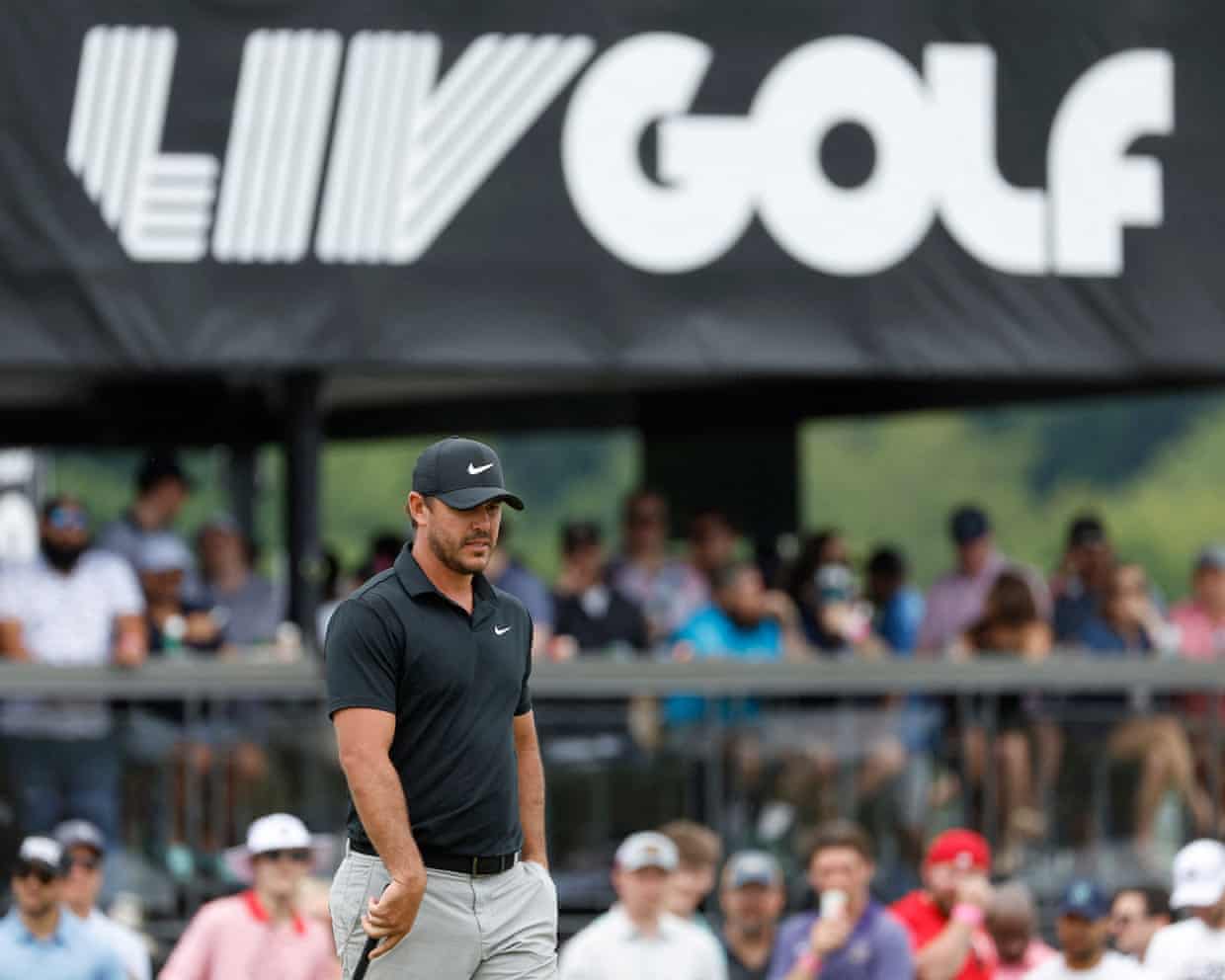
Koepka is a golfer who thrives on the “big-stage” atmosphere of the PGA Tour and the historic prestige of the major championships. In contrast, LIV has often felt like it exists in a “loose consciousness” even for dedicated fans, struggling to create the high-stakes drama that Koepka craves. His decision to step away in 2026 suggests that the allure of generational wealth has been eclipsed by a desire to be back in the heart of the sport’s true competitive arena. It is a blow to LIV’s prestige that no amount of marketing can spin, signaling a potential shift in the talent drain that once flowed only one way.
The PGA Tour’s Emboldened Stance
As news of Koepka’s departure broke, the PGA Tour hierarchy in Ponte Vedra could not resist a public victory lap. An immediate statement emphasized that the Tour remains the “best competitive environment” for those pursuing greatness—a clear jab at the LIV model. After years of operating in a state of defensive panic, the PGA Tour now appears noticeably emboldened. The predicted “amalgamation” of the rival tours no longer feels like a necessity, as the old guard has successfully bided its time while the breakaway circuit’s novelty has begun to wear thin.
However, this newfound confidence brings with it a complex administrative headache. The PGA Tour must now establish a “returning player protocol” to handle defectors like Koepka. While the commercial benefits of adding a star of his magnitude to tournament fields are obvious to sponsors and broadcasters, the rank-and-file membership remains divided. Many who rejected lucrative LIV offers themselves feel that a returning player should face significant penalties. The challenge for the Tour is to find a balance between the pragmatic need for elite talent and the moral requirement to support those who remained loyal during the industry’s most turbulent years.
The “Tiger Test”: Governance in the New Era
Central to the resolution of the Koepka case is the role of Tiger Woods and his newly formed Future Competition Committee. Woods, a staunch PGA Tour loyalist, has been tasked with recommending how the Tour handles field sizes, exemptions, and, most crucially, the reintroduction of former players. This has become the ultimate test of Woods’ “big-picture credentials” as a leader. His committee is expected to deliver its recommendations before the 2026 Masters, a deadline that will set the tone for the next decade of professional golf.
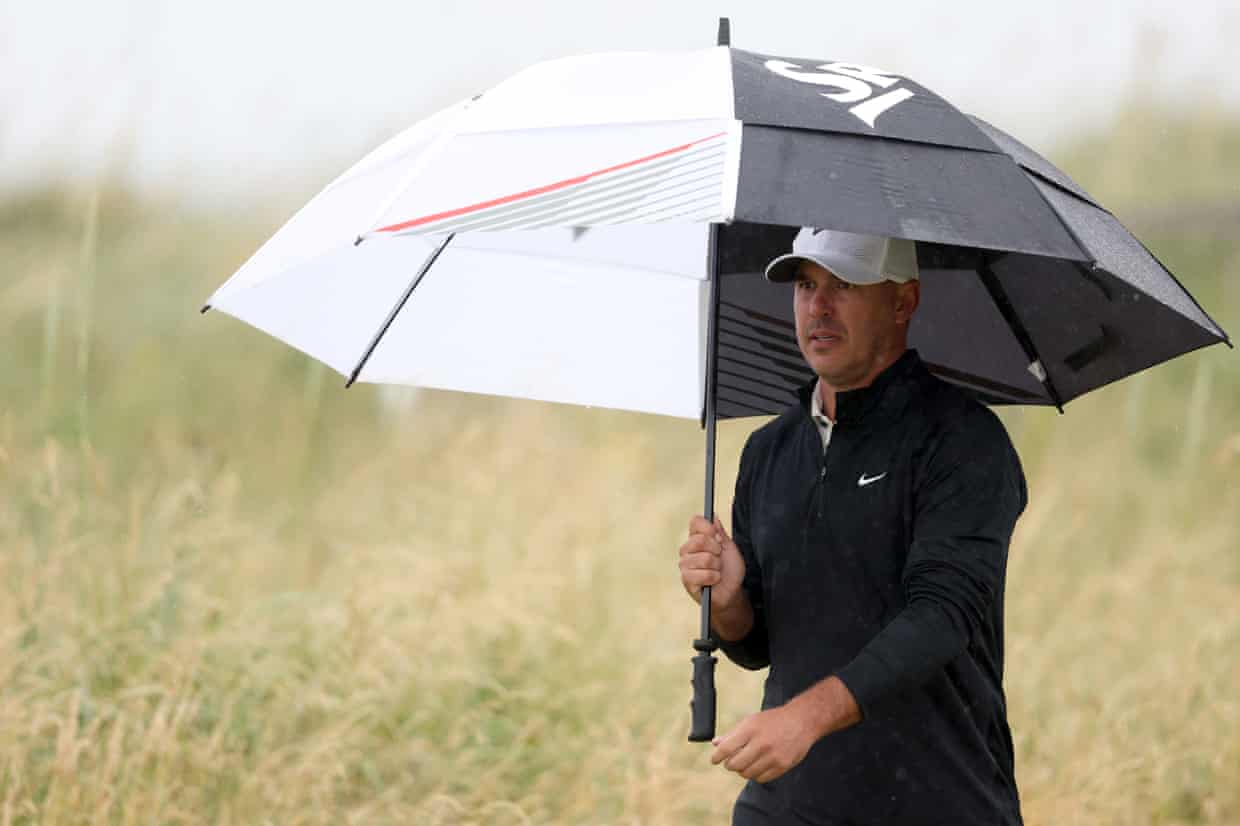
Woods faces a delicate diplomatic mission. He must satisfy the “hardliners” who want defectors to pay a heavy price—perhaps through significant fines or a mandatory suspension period—while ensuring the Tour remains attractive to the world’s best players. If the protocol is too lenient, it risks a revolt from the loyalists; if it is too harsh, it could prevent the game from ever truly reunifying. For Woods, the transition from legendary athlete to high-level administrator has reached its most critical juncture, with the future of his rivals’ careers resting on his committee’s advice.
A Test Case for the Major Champions
Unlike some of his LIV colleagues who left while “flinging verbal grenades” at their former home, Koepka has maintained a relatively professional tone throughout his tenure. This may work in his favor as he navigates his return. Because he holds major champion status until 2028, he is not in immediate danger of losing access to the sport’s biggest stages, but his path to a full-time schedule remains uncertain. In the interim, he is expected to be “welcomed with open arms” by the DP World Tour, where he originally honed his craft and where the acrimony toward LIV defectors has often been less intense than in the United States.
Ultimately, Brooks Koepka is the first “test case” of the post-disruption era. If he successfully reintegrates into the PGA Tour and continues to win, he may provide a blueprint for other stars, like Bryson DeChambeau or Jon Rahm, to eventually follow. If his return is met with hostility and heavy sanctions, it could entrench the sport’s divide for another generation. As 2026 approaches, the man who has always been golf’s most unapologetic competitor finds himself in a familiar position: at the center of the conversation, forcing the rest of the world to react to his next move.