
The 2025 Judo season’s final major events kicked off with a commanding performance from European athletes on the opening day of the Zagreb Grand Prix in Croatia. Set against the backdrop of an energized capital, the first day of competition saw local and continental talent assert their dominance across the lighter weight classes, capturing the majority of the available medals and showcasing a strong strategic blueprint ahead of the critical Olympic qualifying cycle. The day’s success was built upon meticulous preparation, tactical superiority, and the deep emotional advantage of competing on or near home soil, setting a high benchmark for the rest of the tournament and affirming Europe’s foundational strength within the highly competitive global hierarchy of the sport.
The Continental Sweep: Medal Dominance in the Lighter Classes
The first day of the Zagreb Grand Prix focused on the four lightest weight categories—two for men and two for women—and the medal count quickly skewed heavily toward European competitors, indicating a strategic strength in depth.
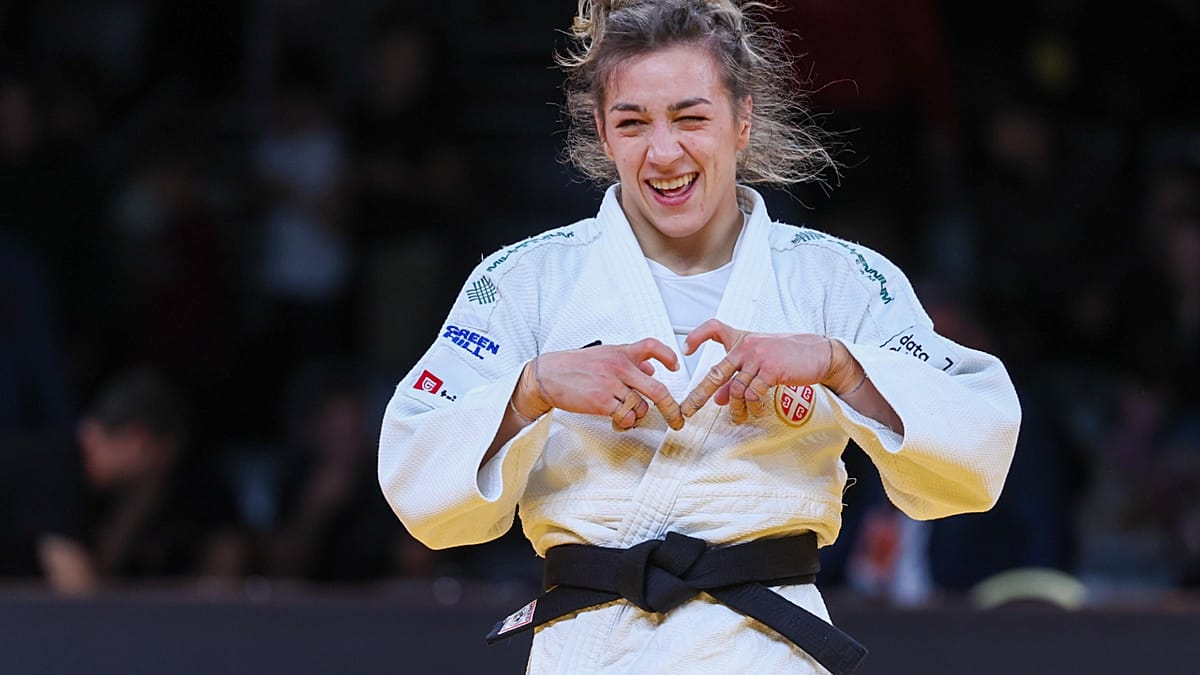
The men’s categories, particularly the -60kg and -66kg divisions, featured tightly contested finals, but the podiums were largely populated by athletes from established European judo powerhouses like France, Russia, and Georgia. These nations emphasized tactical patience and superior ground-work (Ne-waza), often wearing down opponents through cumulative penalties before securing the decisive ippon or winning via score differential (waza-ari). This early success provides crucial ranking points and bolsters the confidence of European federations as they enter the final stages of athlete selection for major championships.
Home Soil Heroes: The Croatian Contingent
The presence of the Grand Prix on home soil provided a significant emotional and competitive lift for the Croatian national team, which successfully leveraged the support of the local crowd to secure key results.

While securing gold is always the ultimate objective, the Croatian athletes delivered strong, consistent performances that resulted in several high-ranking placements, including crucial bronze medals and fifth-place finishes that earned valuable ranking points. The electric atmosphere generated by the home fans, who cheered every successful throw and defense, seemed to give the Croatian athletes an extra edge in the late stages of their contests. This performance demonstrated the strategic importance of hosting major international events, as it allows host nations to maximize their competitive potential in front of an emotionally invested audience.
Beyond the Borders: Strategic Wins for Emerging Nations
While the dominant narrative was one of European strength, the opening day also highlighted significant individual victories for smaller or emerging judo nations within the continent, proving that high-level competition is not solely the domain of the traditional giants.
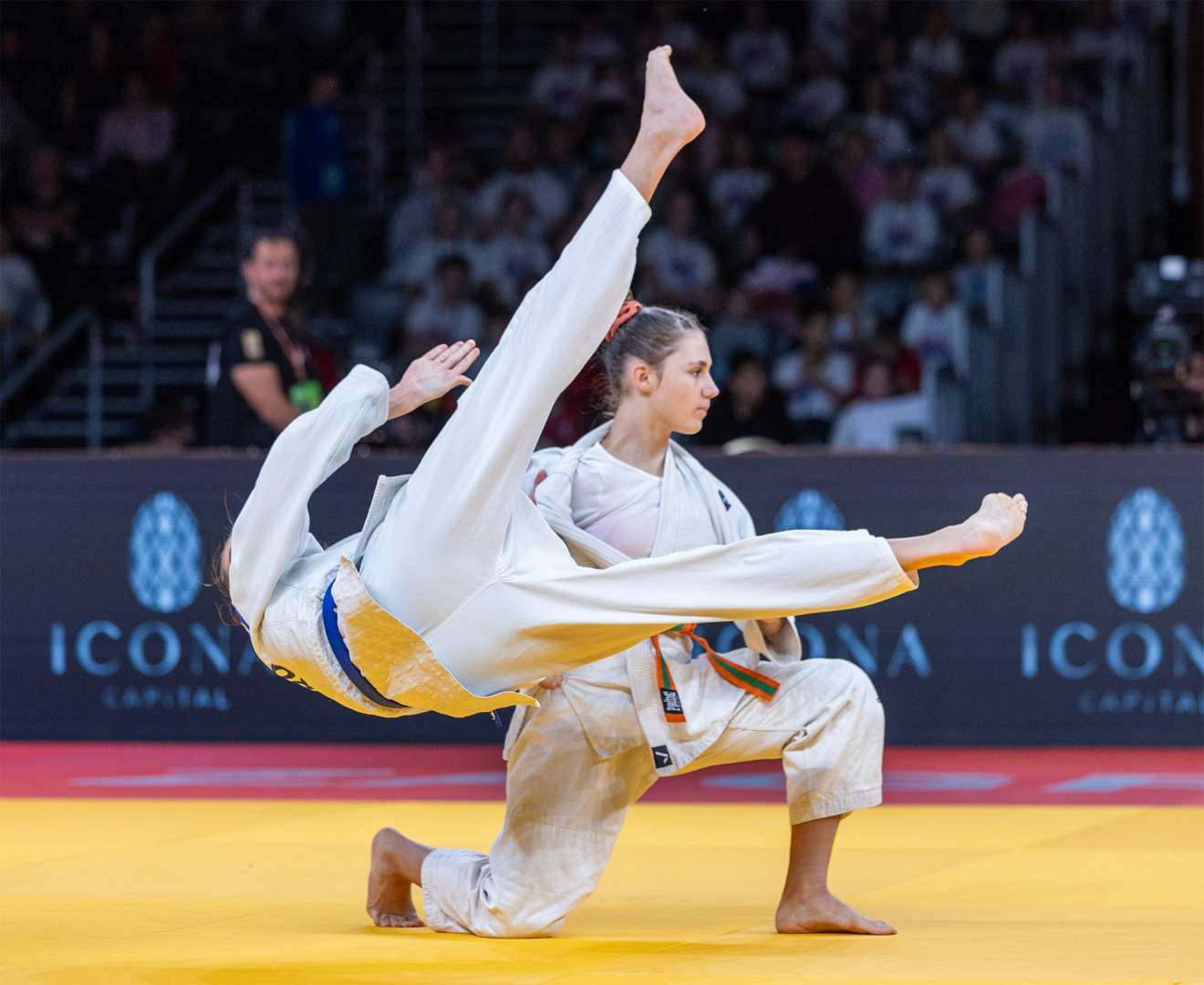
A number of athletes from countries with smaller federations delivered stunning upsets, defeating higher-ranked opponents through aggressive, inventive standing techniques (Tachi-waza). These unexpected performances served as a valuable reminder that judo’s global landscape is continually shifting, and that individual talent, combined with strategic execution, can overcome long-established ranking gaps. These surprise winners not only secured their own career-best results but also added necessary competitive unpredictability to the tournament, forcing the top seeds to adjust their tactics immediately for the subsequent days of competition.
Setting the Tone for the Weekend’s Drama
The decisive European results on Day 1 established a dominant tone for the remainder of the Zagreb Grand Prix, placing pressure on competitors from Asia and the Americas to deliver exceptional results in the heavier weight classes.
The medal count and the quality of judo displayed by the continental athletes set a high standard for technical mastery and physical conditioning. Their early success implies that the final days of the tournament—featuring the middle and heavyweight divisions—will necessitate a more aggressive, high-risk approach from international competitors seeking to close the ranking gap before the end of the year. The early European surge guarantees that the Zagreb Grand Prix will serve as a definitive barometer of global strength as the sport transitions into its high-stakes pre-Olympic phase.