In the world of elite athletics, success is often framed as the result of a singular, unwavering focus maintained since childhood. Yet, for some, the path to the podium is paved not with meticulous planning, but with the debris of a shattered dream. For one dedicated runner, the “moment that changed everything” arrived not with a starting pistol, but with the quiet, nagging ache of a stress fracture. Forced to abandon a decade-long daily running ritual, she found herself adrift in a sea of medical rest and physical frustration. What followed was an unwilling detour into the world of road cycling—a sport she initially loathed for its mechanical complexity, eye-watering costs, and physical discomfort. Little did she know that this forced hiatus would transform her from a local amateur into a world-class competitor, ultimately leading her to the shimmering heat of the Beijing Olympic ramp and the coveted rainbow jersey of a world champion.
The Crushing Weight of Forced Stillness
For ten years, running had been more than just exercise; it was a fundamental pillar of identity and a daily sanctuary. When a persistent pain in the foot was finally diagnosed as a stress fracture, the medical mandate of eight weeks without running felt like a life sentence. The psychological impact of this sudden stillness cannot be overstated. For an athlete used to the rhythmic pounding of pavement as a way to process the world, being told to stop is akin to losing a sense. The initial reaction was not one of stoic acceptance, but of quiet, embarrassed tears in a hospital corridor, mourning the loss of a decade-long streak.
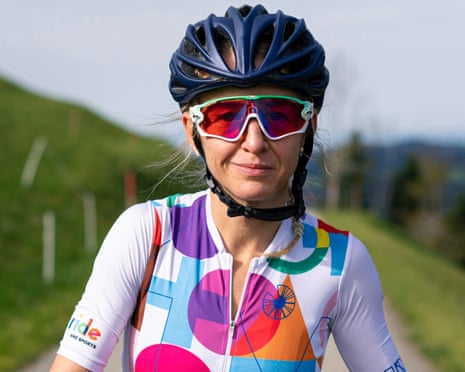
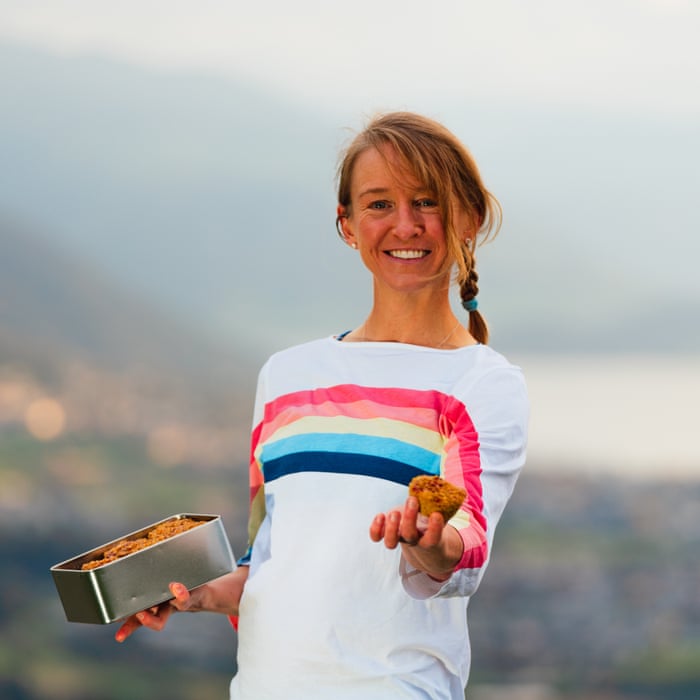
The void left by running was initially filled with swimming, but the stagnant air of indoor pools and the repetitive nature of laps offered little solace. The lack of nature and the feeling of “getting nowhere” only heightened the frustration. It was this desperation for the outdoors and the need for low-impact movement that eventually led to a borrowed, oversized road bike. This was not a moment of inspiration, but a pragmatic concession to a body that refused to heal on a runner’s timeline.
A Grueling Introduction to the Saddle
The transition from running to cycling was far from a “love at first sight” experience. In fact, the early days were defined by a profound and vocal hatred for the sport. Unlike the simplicity of a pair of trainers, road cycling presented a bewildering array of technical barriers: mechanical failures, complex gear systems, and the relentless challenge of traffic. Furthermore, the financial entry point was eye-watering, and the physical toll of a poorly fitted saddle made every kilometer a test of endurance rather than a source of joy.
Despite the misery of fixing punctures with frozen hands in the rain and battling crosswinds that threatened to topple the heavy, borrowed frame, the runner’s ingrained discipline took over. She approached the bike with the same dogged dedication she had once reserved for the trails. This period was characterized by counting down the days until a return to running was permitted. The bike was viewed merely as a temporary tool for maintenance, a “necessary evil” to be discarded the moment the doctor gave the all-clear.
Finding Strength in the Upward Grind
The turning point arrived when the injury persisted long enough for the bike to become a habit rather than a chore. A crucial upgrade to a better-fitting saddle and the purchase of a bike that actually fit her frame began to peel back the layers of resentment. Living near mountains provided the perfect arena for her natural physiology to shine. She discovered a latent talent for climbing—the grueling art of uphill cycling that demands the same high aerobic capacity and mental toughness as long-distance running.

Her first foray into competitive cycling was humble, marked by a local time trial where she was unceremoniously beaten by a man in a gorilla suit. However, the competitive fire that had fueled her running was quickly reignited. Within a year, she entered the national championships and finished a surprising fourth. It became clear that the years spent slogging through hill sessions as a runner had built a powerful engine that was perfectly suited for the demands of elite cycling. The “unwilling detour” was rapidly becoming a primary route.
The Long Road to the Rainbow Jersey
The journey from a “late starter” to an Olympic athlete was neither swift nor linear. It involved thousands of kilometers of training, countless crashes, and the steep learning curve of professional racing tactics. In 2008, five and a half years after her injury, she found herself on the Olympic starting ramp in Beijing. The transition was complete: the runner who had cried over a two-month break was now competing against the world’s best, eventually watching only the legendary Kristin Armstrong clock a faster time in the Olympic time trial.
Success continued to mount as she signed with professional teams, assisting teammates in prestigious races like the Giro and the Tour de l’Aude before claiming her own victories. By 2010, she had achieved the pinnacle of the sport, winning the British championships in both the time trial and road race, followed by the rainbow jersey as the Time Trial World Champion. Looking back, the broken foot was not a catastrophe, but a catalyst. It forced a redirection of energy that revealed a world-class talent, proving that sometimes, the most devastating setbacks are merely the universe’s way of putting us on the right track.