
In front of a devoted Doncaster crowd and under the quiet weight of a sport in mourning, Terri Harper successfully defended her WBO world lightweight title with a methodical points victory over Germany’s Natalie Zimmermann. It wasn’t the explosive finish she’d hoped for, but it was a performance that underscored her control, composure, and experience in the ring. Now, with a belt in hand and momentum on her side, the 28-year-old three-weight world champion has called for what could be one of British boxing’s most compelling domestic clashes—a unification bout with WBC champion Caroline Dubois. As Harper steadies herself at lightweight after years of division-hopping, her next steps may define the second act of an already remarkable career.
A quiet domination on home soil
Under the lights of Doncaster’s Eco-Power Stadium, Terri Harper delivered a near-shutout performance against the vastly less experienced Natalie Zimmermann. From the opening bell, Harper’s technical superiority was obvious, with accurate combinations, ring generalship, and pressure that pushed her 42-year-old opponent onto the back foot for nearly all 10 rounds.
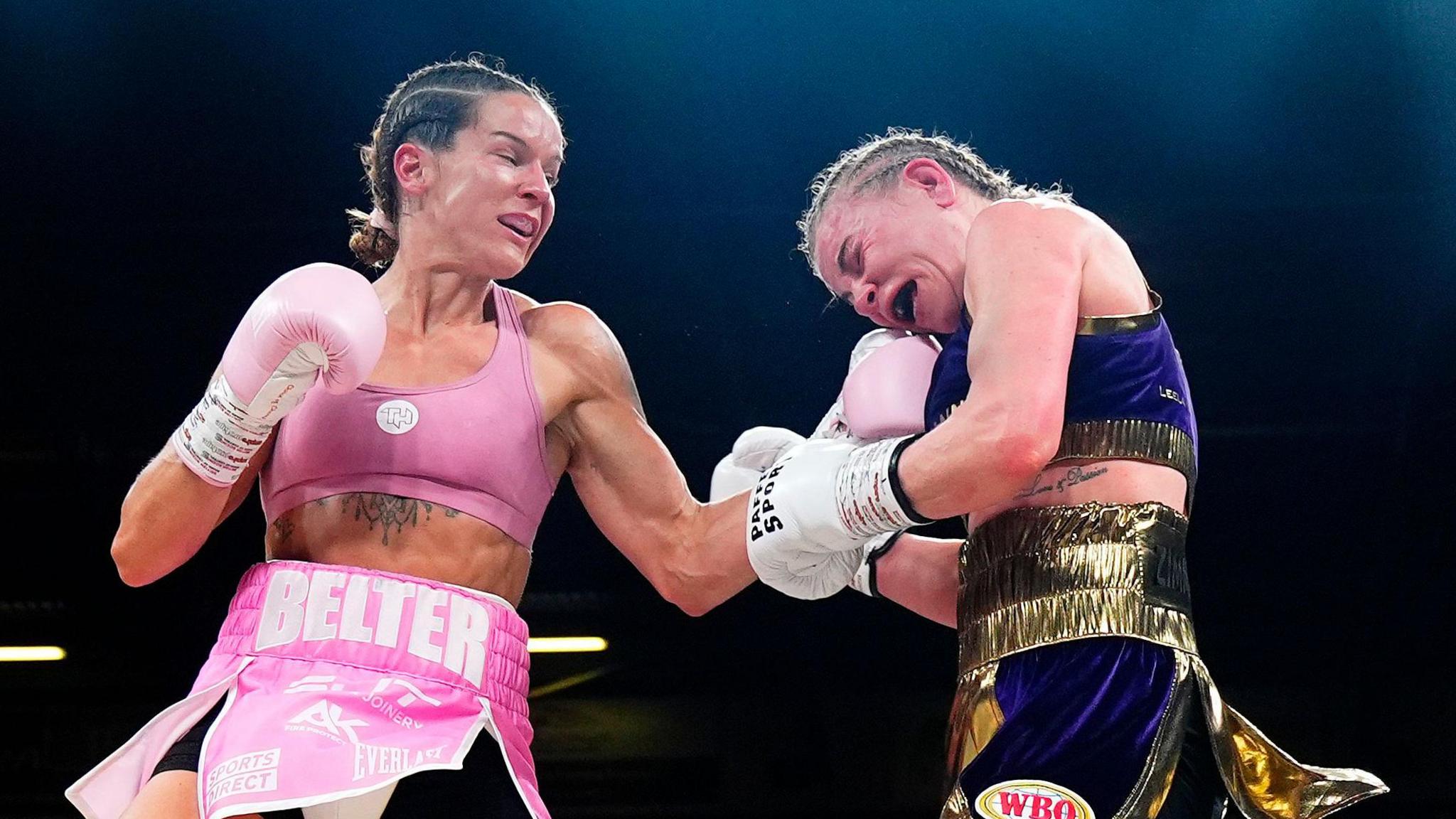
Despite the mismatch in pedigree—Zimmermann had won all 13 of her previous fights, but had only turned professional at 37—it was a credit to Harper that she maintained her discipline and didn’t allow frustration to boil over into recklessness. The crowd responded early to a sharp left hook from Harper, roaring with chants of “Yorkshire” as she stalked her opponent across the canvas.
Zimmermann, for her part, showed heart but little else. Her attacks were wild and imprecise, and her lack of top-level experience told. An uppercut in the sixth round was perhaps her lone highlight, catching a momentarily static Harper, but the damage was fleeting. If anything, it revealed Harper’s mounting frustration as she searched for the knockout that would never come.
A week of mourning and meaning
Before the action even began, the evening took on a more emotional tone. British boxing is still coming to terms with the death of 25-year-old boxer Georgia O’Connor, a rising star who lost her battle with cancer just days before the fight. A 10-bell salute held in her memory drew solemn applause from the crowd, adding a layer of poignancy to the night.
The event was hosted by GBM Sports, a new promotional outfit making its stadium debut with this card. Despite some organizational rough edges—Harper didn’t make her ring walk until after 11pm—there was no doubting the sincerity of the production or the significance of the homecoming for Doncaster’s own champion.
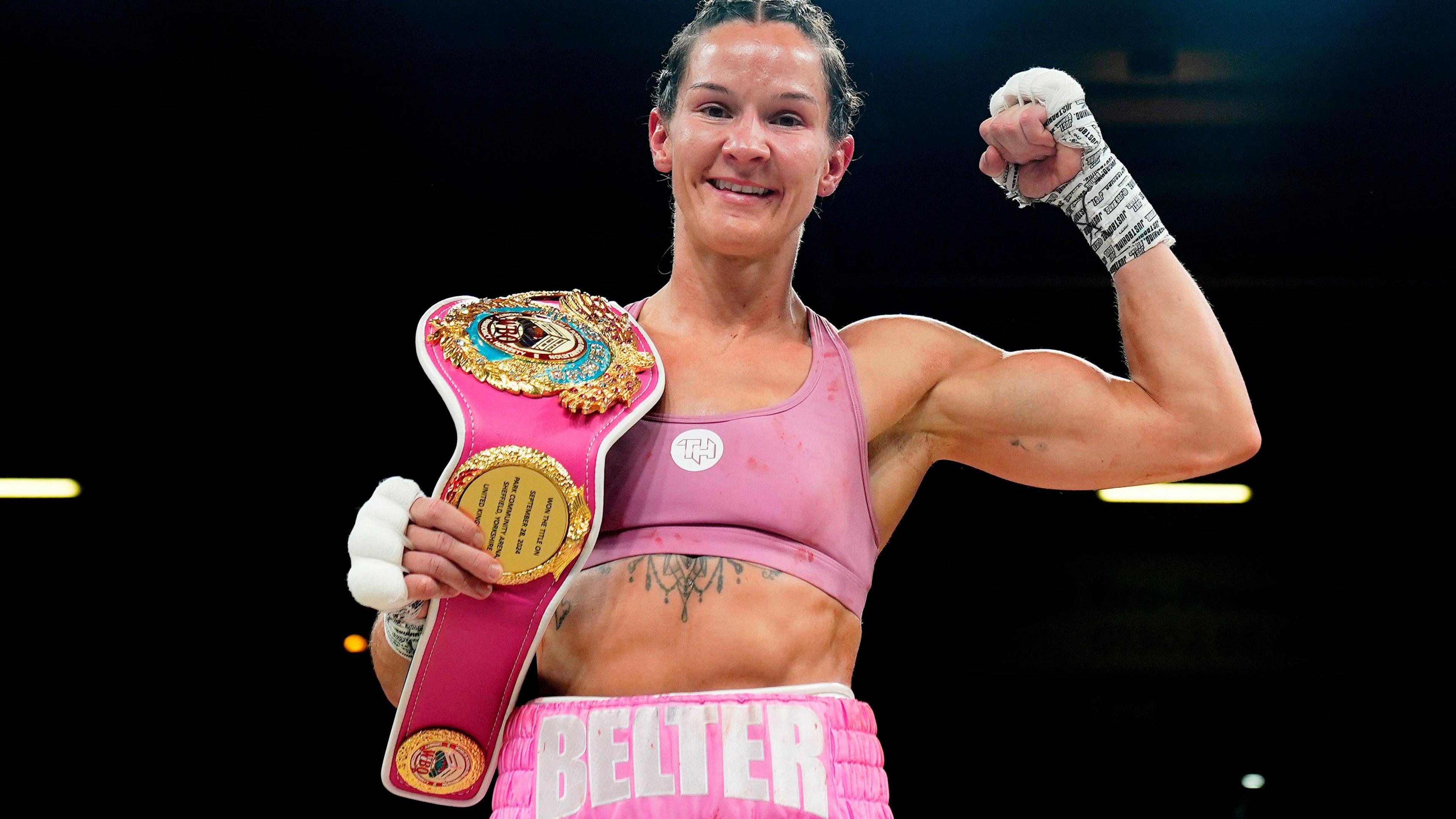
Making her entrance to Gerry Cinnamon’s “Belter,” Harper was greeted like a returning hero. Though some fans had left due to the late hour, those who stayed brought the kind of energy that makes stadium boxing memorable. For Harper, it was a moment of pride—even if the lack of a knockout left a sense of unfinished business in the air.
Eyes on Dubois, and history
With her 16th win now secured, Harper used the post-fight spotlight to shift attention to what’s next—and her message was clear. She wants Caroline Dubois. “That gets my fire burning,” she said. “She rubs me up the wrong way.”
It’s a tantalizing prospect. Dubois, 26, has carved out a reputation as one of Britain’s most exciting boxing prospects, bringing speed, flair, and finishing power. She also hasn’t shied away from calling out Harper, recently claiming she would make the veteran champion “crumble” in a unification fight.
But Harper, ever measured, seems unbothered by the noise. Having fought elite operators like Natasha Jonas and Alycia Baumgardner across multiple weight classes, Harper is used to being doubted—and more often than not, she’s proven critics wrong. “I feel comfortable at lightweight now,” she said. “That fight [with Dubois] makes sense. I want to go on to fight the other champions and really step up.”
If the Dubois fight doesn’t come next, Harper’s other targets include IBF champion Beatriz Ferreira and WBA belt holder Stephanie Han. A full unification campaign would cement Harper’s place in boxing history and, perhaps more importantly, give her the legacy-defining fights that have often eluded her due to injuries or promotional politics.
A career reshaped by resilience
Terri Harper’s boxing journey has been anything but linear. Once considered a promising super-featherweight with a high ceiling but vulnerable chin, she has continually reinvented herself—rising from defeats, moving up divisions, and adapting her style with each new test.
Now at 28, Harper fights with the confidence of a champion who’s been forged in adversity. Her power may not scare opponents, but her ring IQ, work rate, and stamina are elite. And with her latest win, she’s taken one more step toward building a career that defies simple narratives.
If her next fight is indeed against Dubois, it will be a generational clash between Britain’s present and future—grit versus flash, experience versus momentum. For Harper, it’s a chance to unify titles and silence doubters. For fans, it could be one of the defining fights in the next chapter of women’s boxing.
Final bell:
Harper’s win in Doncaster may have been routine, but it was rich in meaning. It honored a fallen colleague, reaffirmed her place among the world’s elite, and set the stage for what could be her most exciting chapter yet. Whether it’s Dubois, Ferreira, or Han, Harper seems ready for all comers. As the lights dimmed on a bittersweet night, one thing was clear—Terri Harper is not done writing her story.