In the fertile, rolling hills of Lawrence County, Tennessee, a journey of just a few miles can feel like a leap across centuries. Here, the Amish community of Ethridge—one of the largest and oldest in the South—lives a life dictated by the seasons, the soil, and the “Ordnung” (unwritten rules of conduct). While the community famously shuns modern technology, from electricity to automobiles, they have opened a unique, delicious window into their world through agriculture. As we move into 2026, “food tourism” in Ethridge has become a vital, respectful bridge between the “English” (outsiders) and the Amish. From horse-drawn wagons brimming with sun-ripened tomatoes to the scent of wood-fired sourdough, the flavors of Ethridge offer a rare, tactile connection to a way of life defined by simplicity and manual labor.
The Seasonal Rhythm of the Farm Stands
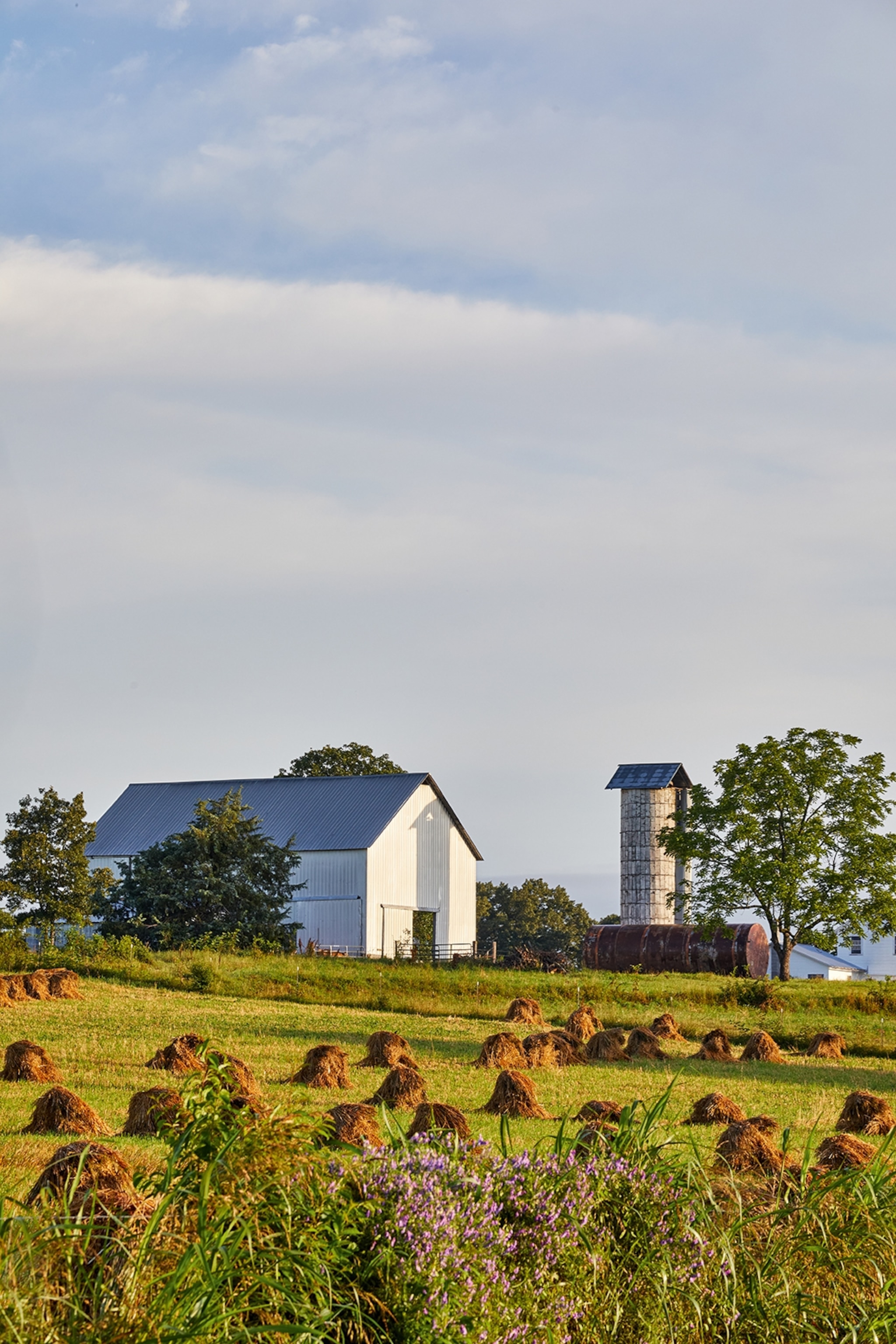
The primary point of contact for any traveler in Ethridge is the iconic farm stand. Scattered along the gravel backroads, these simple wooden structures are often unmanned, operating on a silent system of trust. In 2026, the community continues to practice “plain” farming, eschewing chemical pesticides in favor of traditional crop rotation and natural fertilizers. The result is produce that carries an intensity of flavor—heirloom “Mortgage Lifter” tomatoes, sweet corn, and crisp bell peppers—that feels like a revelation to the modern palate.
For the visitor, the experience is guided by the hand-painted “open” signs hanging at the end of long, cedar-lined driveways. Because the Amish do not use telephones or the internet, these signs are the only real-time updates available. Driving the backroads becomes a game of discovery, where a simple turn might lead to a wagon loaded with giant Atlantic pumpkins in the fall or baskets of juicy Elberta peaches in the height of summer. It is a slow, rhythmic form of shopping that forces the traveler to match the deliberate pace of the community itself.
The Art of the “Wood-Fired” Kitchen
While the raw produce is a draw, it is the processed goods—the jams, pickles, and baked items—that truly tell the story of Amish resourcefulness. Without refrigeration, the art of “putting up” food is a survival skill passed down through generations. In 2026, the jars of “chow-chow” (a spicy pickled relish) and blackberry jam found in Ethridge are prized for their purity. These are made in small batches over wood-burning stoves, where the lack of precise digital temperature control is compensated for by the intuitive eye of the cook.
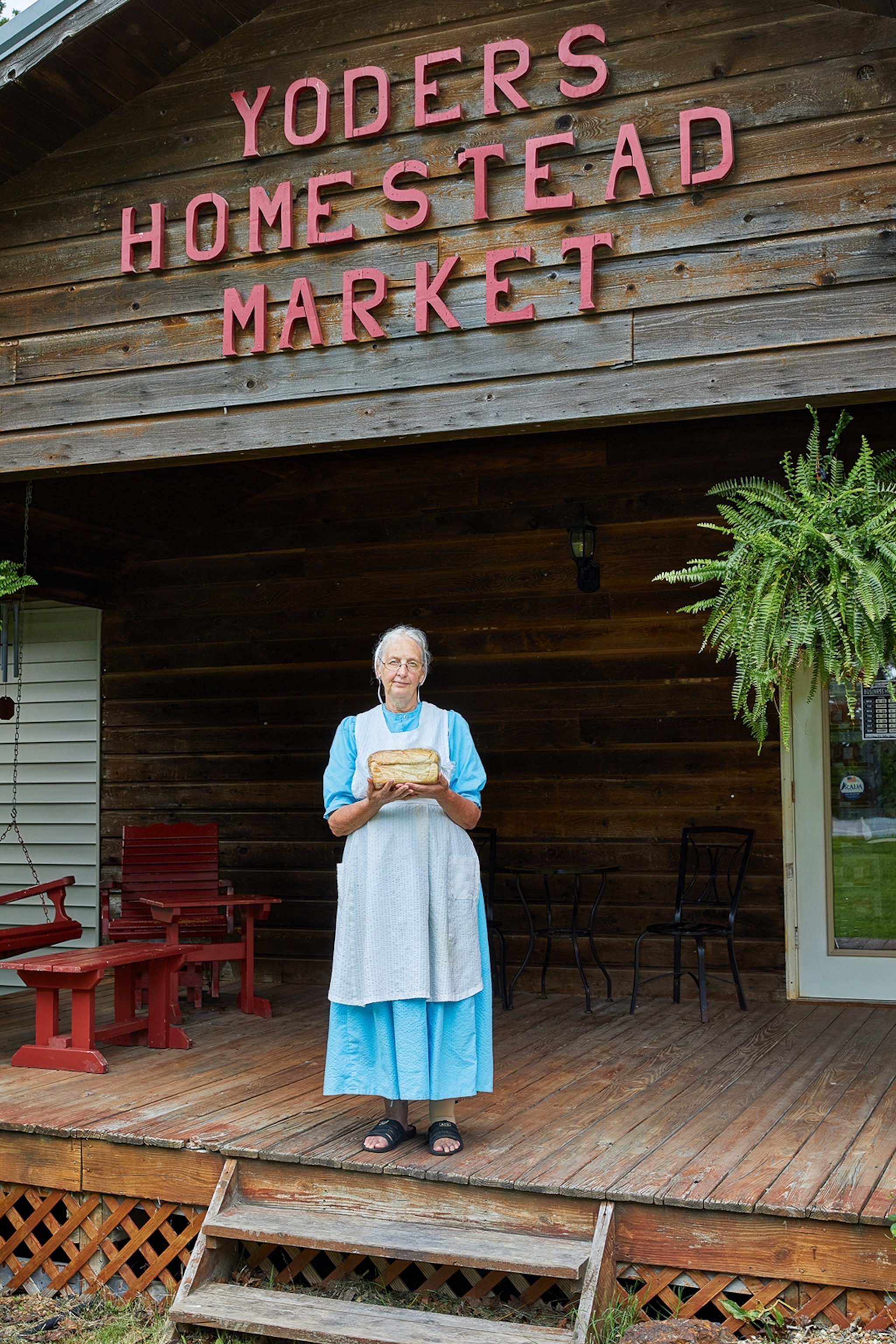
The bakeries of Ethridge are perhaps the most evocative stops on the culinary trail. On Friday and Saturday mornings, the air is thick with the aroma of “fried pies”—hand-held pastries filled with dried apples or peaches and deep-fried to a golden crisp. These treats, along with thick loaves of salt-rising bread and oversized cinnamon rolls, represent a culinary tradition that prioritizes calories and comfort. For the Amish, these are the high-energy foods required for long days of plowing; for the visitor, they are a nostalgic return to a pre-industrial kitchen.
Sorghum: The Liquid Gold of the South
One of the most distinct culinary traditions in Tennessee’s Amish country is the production of sorghum syrup. While the rest of the country moved toward refined sugar, the Ethridge community maintained the labor-intensive process of pressing cane and boiling the juice in large, open pans until it thickens into a dark, earthy syrup. In late autumn 2025 and early 2026, the “sorghum boils” remain a major communal event, where the steam from the boiling vats mingles with the crisp morning air.
Sorghum is more than just a sweetener; it is a signature flavor of the region. It is used in everything from gingersnap cookies to a glaze for roasted ham. For the traveler, buying a jar of “Ethridge Gold” is like buying a bottle of the landscape itself—bittersweet, complex, and rooted in the heavy clay soil of Middle Tennessee. It serves as a liquid reminder of the patience required to create something by hand, without the shortcuts of modern machinery.
A Community Built on the “English” Connection
The relationship between the Amish and the “English” is a delicate dance of mutual necessity. While the Amish value their separation from the world, the revenue from food sales allows them to pay property taxes and purchase the few items they cannot produce themselves, such as salt or cloth. In 2026, this interaction has become more structured. Many visitors now begin their journey at the Amish Welcome Center, where they can hire a local “English” guide to drive them into the community, ensuring that they navigate the private roads with the proper etiquette and respect.
Respect is the currency of the realm here. Travelers are reminded that the Amish do not wish to be photographed, as they view it as a form of vanity. By focusing on the food—the tactile act of exchanging coins for a bag of apples or a jar of honey—visitors can engage with the community without being intrusive. It is a form of “eyeball-to-eyeball” commerce that has largely disappeared from the modern world, making every transaction feel like a personal encounter.
Preserving the Plain Path in 2026
As the world around them becomes increasingly digital and automated, the Ethridge Amish community stands as a living experiment in traditionalism. The food they produce is the most accessible part of their philosophy: a testament to the belief that honest work and a connection to the earth lead to a good life. In 2026, the “Ethridge model” of agricultural tourism continues to thrive because it offers something that supermarkets cannot—a sense of origin and a story in every bite.
Whether you are spreading thick apple butter on a warm biscuit or biting into a sun-warmed peach, the flavors of Tennessee’s Amish country invite a moment of reflection. They remind us that there is a profound beauty in the slow way of doing things. In the silence of the Ethridge backroads, the clop-clop of a horse’s hooves and the simple act of sharing a harvest remain the most powerful ways to bridge the gap between two very different American worlds.