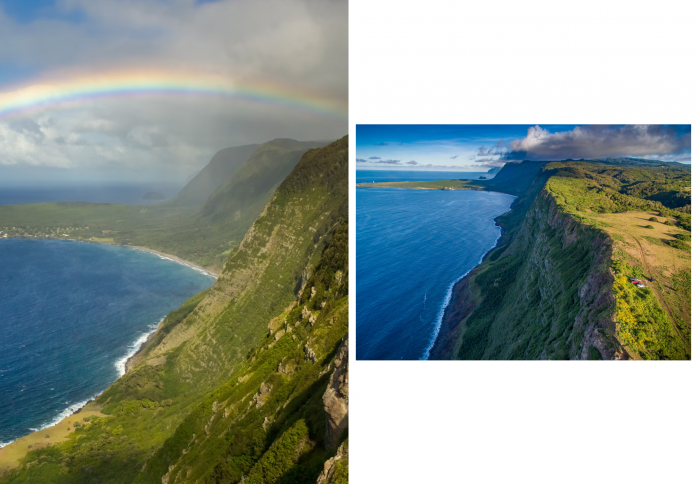
On the rugged north shore of Moloka‘i, shielded by the world’s tallest sea cliffs and the churning Pacific, lies Kalaupapa National Historical Park—a place of staggering beauty and profound sorrow. For over a century, this remote peninsula served as a place of forced exile for more than 8,000 people diagnosed with Hansen’s disease (leprosy). Today, as we enter 2026, the park is navigating a delicate new chapter. After a years-long closure to protect its few remaining elderly residents from the global pandemic, Kalaupapa is “tiptoeing” back open. This is not a traditional tourist excursion, but a controlled, reverent pilgrimage designed to honor the resilience of those once banished from society and to preserve a legacy of compassion that remains etched into the golden cliffs of Moloka‘i.
The Geography of Isolation
Kalaupapa’s story is inextricably linked to its extreme geography. Formed by a unique volcanic “leak” beneath the massive 2,000-foot sea cliffs of Moloka‘i, the peninsula is a natural prison. Accessible only by small plane, a grueling 3.5-mile cliff trail with 26 switchbacks, or by sea, it provided the perfect setting for the Kingdom of Hawai‘i’s 1865 “Act to Prevent Leprosy.” For decades, those suspected of having the disease were torn from their families and sent to this isolated spit of land, often told they would never return to their homes again.
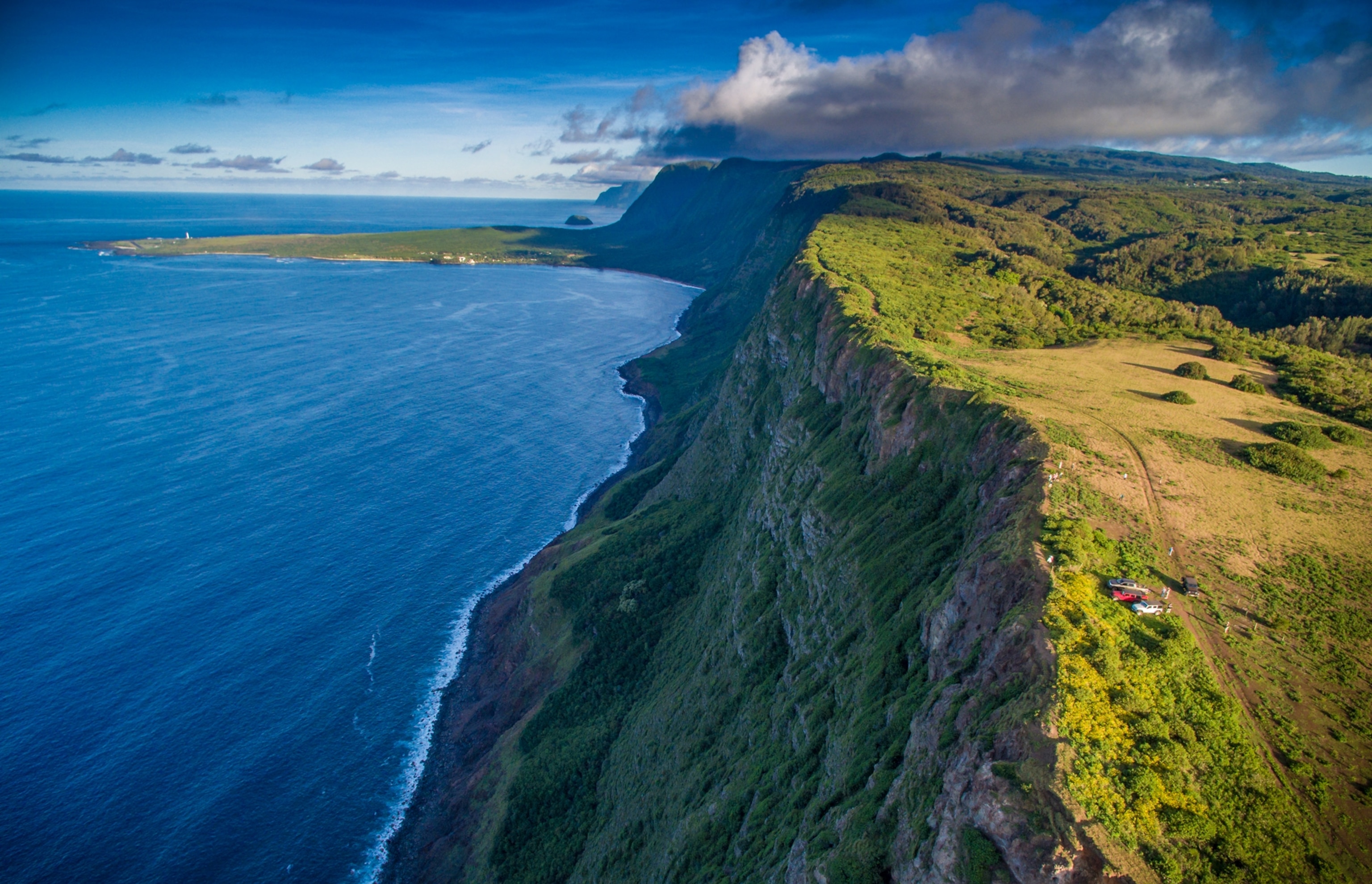
Today, that same isolation preserves one of the most intact archaeological landscapes in the Hawaiian Islands. The park protects more than just the historic settlement; it guards ancient Hawaiian heiau (temples), taro fields, and stone walls that date back over 900 years. For the traveler of 2026, the silence of the peninsula is heavy with this dual history—a mix of indigenous Hawaiian heritage and the forced segregation that began in 1866.
The Saints of the Settlement
The moral heart of Kalaupapa lies in the stories of those who chose to enter the exile. Most famous are Saint Damien de Veuster and Saint Marianne Cope, who devoted their lives to improving the conditions of the patients. Damien, a Belgian priest, arrived in 1873 and lived among the residents, eventually contracting the disease himself. Mother Marianne Cope arrived later, bringing modern nursing standards and a focus on dignity and beauty, famously insisting on planting flowers to brighten the lives of the residents.

In 2025 and 2026, their legacies have become the focal point of the park’s reopening. The newly launched “Kalaupapa Saints Tour”—the only authorized commercial operator in the park—takes small groups to the churches, hospitals, and cemeteries associated with these figures. This tour is particularly significant because it was founded by a patient-resident, ensuring that the narrative remains in the hands of the community that lived this history. It is a rare opportunity to hear the “moʻolelo” (story) of Kalaupapa from a personal, respectful perspective.
A Community of Voluntary Residents
While the policy of forced isolation was officially abolished in 1969, Kalaupapa remained home to many who had been sent there. Having built lives, friendships, and a community within the settlement, many residents chose to stay. As of early 2026, only a handful of these “cured” patient-residents remain, ranging in age from their mid-80s to over 100 years old. The park’s primary mission is to protect their privacy and ensure they can live out their lives peacefully in the place they have called home for decades.
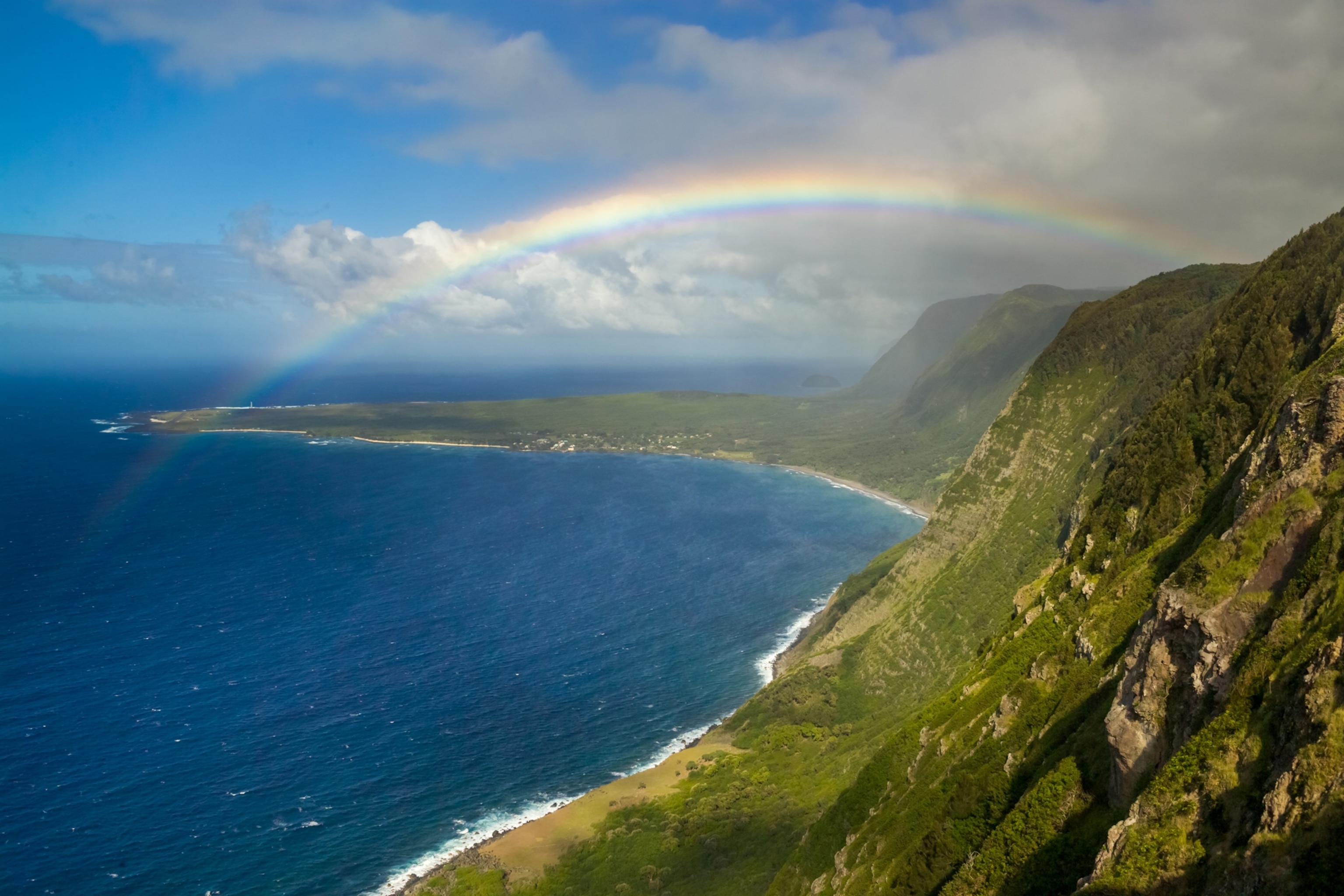
Because of this, the park operates under strict regulations. Visitation is restricted to those 16 and older, and all guests must obtain a permit from the Hawai‘i Department of Health. There are no restaurants, shops, or medical facilities for tourists; visitors must bring their own food and water and take their trash with them. This “closed community” status is a stark reminder that Kalaupapa is not a playground, but a sanctuary for its inhabitants.
The 2026 Visitor Experience: Planning a Pilgrimage
For those who wish to visit in 2026, the process requires significant advance planning. Since the post-pandemic reopening, demand for the limited tour seats—often just eight per day—has been immense. Most visitors arrive via small inter-island aircraft from O‘ahu or Maui, as the famous mule rides down the cliff trail have faced intermittent closures due to trail maintenance and safety concerns.
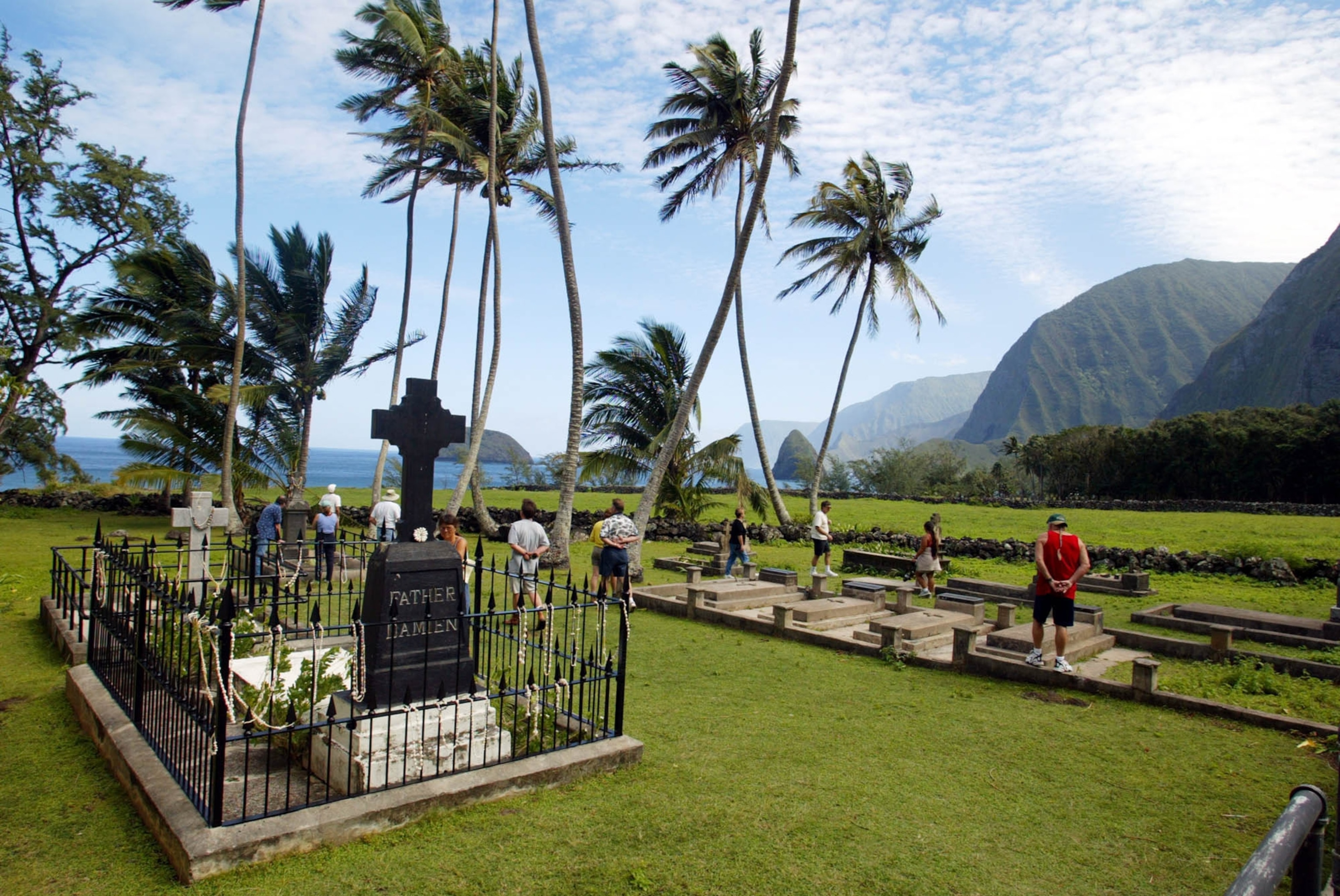
The experience of landing at the small airstrip and being greeted by the sound of the wind and the surf is often described as transformative. Tours typically visit Kalawao, the original settlement site on the windward side, and the cemeteries where thousands of former residents are buried. It is a somber, beautiful experience that forces a confrontation with the history of social stigma and the incredible strength of the human spirit.
Preserving the Spirit of Moloka‘i
As Kalaupapa moves deeper into 2026, the National Park Service is looking toward a future where the last residents may eventually pass away. Plans are being discussed for how to maintain the settlement’s “living history” while honoring the sacred nature of the land. The park remains one of the most endangered species habitats in the U.S., protecting over 30 federally listed species, including the Hawaiian monk seal, which often pup on the secluded beaches of the peninsula.
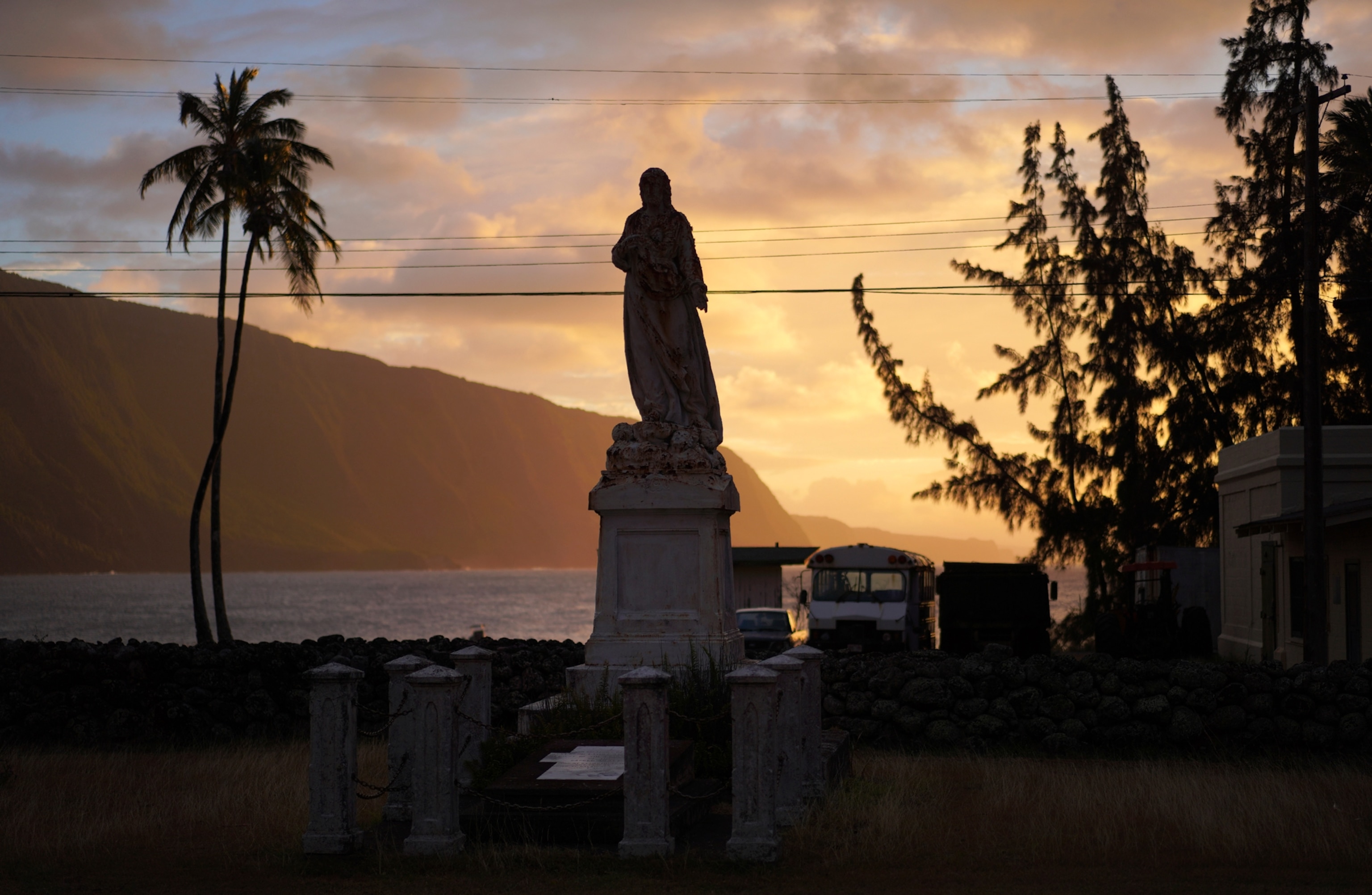
Ultimately, a visit to Kalaupapa is an exercise in empathy. It is a place that teaches us about the devastating impact of ignorance and the redemptive power of community. In a world that often moves too fast, Kalaupapa stands as a permanent “Golden Echo”—a reminder to slow down, respect the silence, and remember those who were once forgotten.