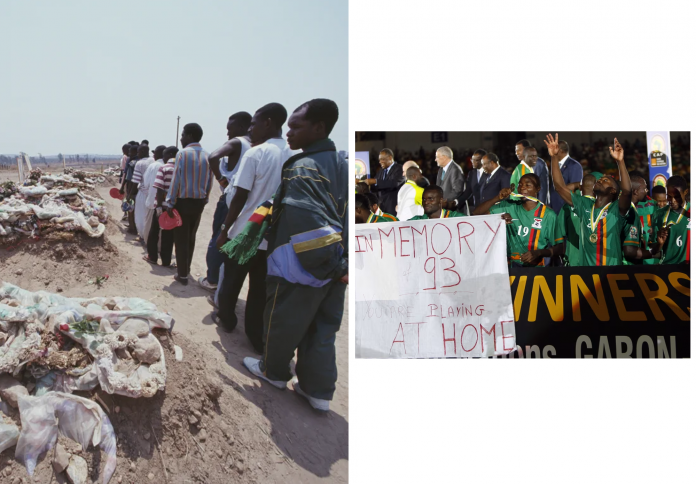
In 1993, the Zambian national soccer team was poised to make history by qualifying for its first FIFA World Cup. But a tragic plane crash off the coast of Gabon took the lives of 18 players and left the nation in mourning. Three decades later, their story has become one of the most powerful narratives of resilience and redemption in African sports.
The crash that shook a nation
In April 1993, the Zambian national soccer team—nicknamed the Chipolopolo, or “The Copper Bullets”—was on a mission to qualify for the 1994 World Cup. With an exciting young squad and a newfound sense of belief, Zambia seemed ready to take its place among Africa’s soccer elite. But as they flew north to face Senegal in a qualifying match, disaster struck.
Due to the country’s limited resources, the team traveled in a DHC-5 Buffalo military aircraft, making multiple refueling stops along the way. Shortly after taking off from Libreville, Gabon, the aircraft crashed into the Atlantic Ocean. All 30 people on board perished, including 18 players from what had been hailed as Zambia’s “golden generation.”
Investigations later revealed that the tragedy was caused by a combination of technical failure and human error: a fire in the left engine prompted the pilots to mistakenly shut down the working right engine, leading to the aircraft’s catastrophic descent. The nation was plunged into grief. With Zambia’s economy already reeling, the soccer team had represented a rare source of pride and unity. Now, that hope seemed extinguished.
Mourning and memory
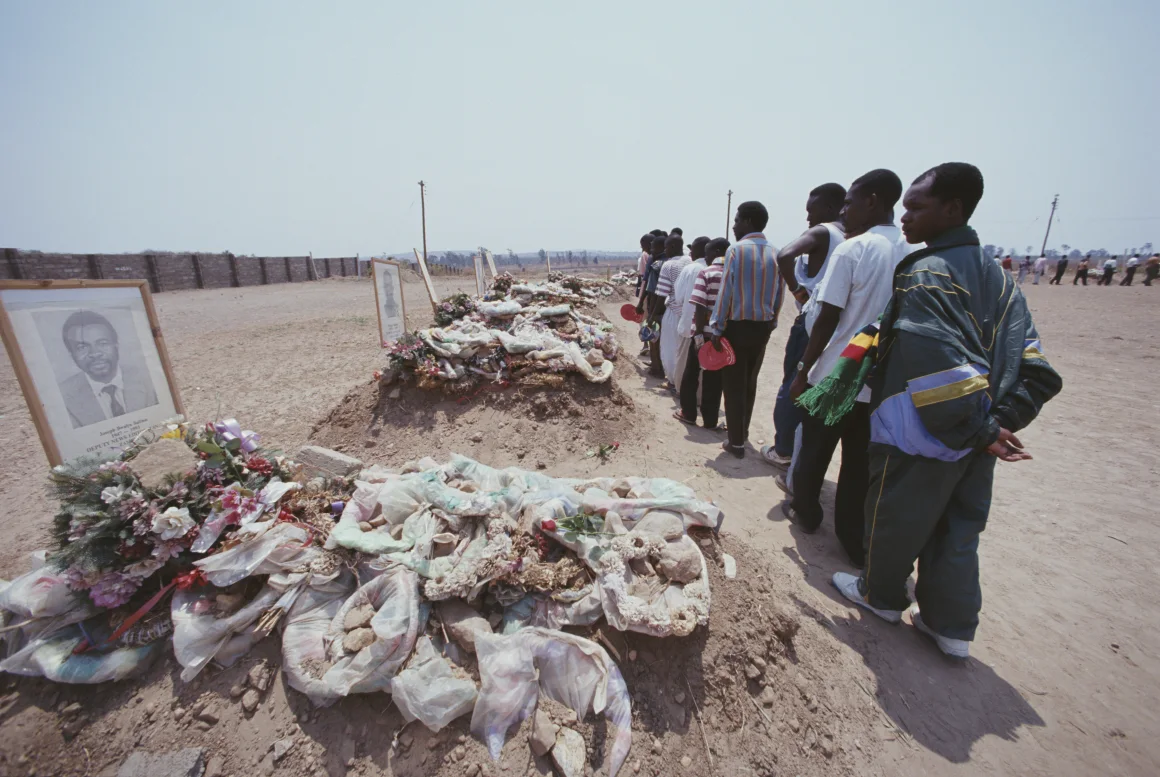
The impact of the crash was felt far beyond Zambia’s borders. In the days following the tragedy, debris from the aircraft began washing up on the Gabonese shore. A memorial site, known as Heroes’ Acre, was established just outside Lusaka’s Independence Stadium, where the victims were laid to rest.
For Jay Mwamba, a Zambian sports journalist then living in the U.S., the news was personal. He had covered the team for years and knew many of the players and even one of the pilots. He recalls the moment he was told of the crash by star player Kalusha Bwalya, who had been scheduled to join the team in Senegal after fulfilling club duties in Europe.
“I started reeling off names, hoping someone might have survived,” Mwamba told CNN Sports. “When they held a minute of silence before the England vs. Netherlands game, that’s when it really hit me. I just broke down.”
The devastation lingered. Mwamba wouldn’t begin writing Crash of the Buffalo, his account of the tragedy and its aftermath, until more than a decade later. “It had to be chronicled,” he said. “I knew the people. I knew the pain.”
Rebuilding from ashes
Remarkably, Zambia’s soccer community resolved almost immediately to rebuild. As officials traveled to Gabon to retrieve the bodies, a decision was made to reassemble the national team. Kalusha Bwalya answered the call to lead, and trials began to find new talent.
Astonishingly, just 10 weeks after the crash, a newly formed team defeated Morocco 2-1. Though they eventually fell short in their World Cup qualifying campaign after a narrow 1-0 defeat to Morocco in the final playoff, the effort was hailed as heroic.
Their resilience carried over into the 1994 Africa Cup of Nations, where Zambia—still grieving, still healing—stormed to the final. Led again by Bwalya, the team lost 2-1 to Nigeria, but their journey became a symbol of national pride and perseverance.
Destiny in Gabon
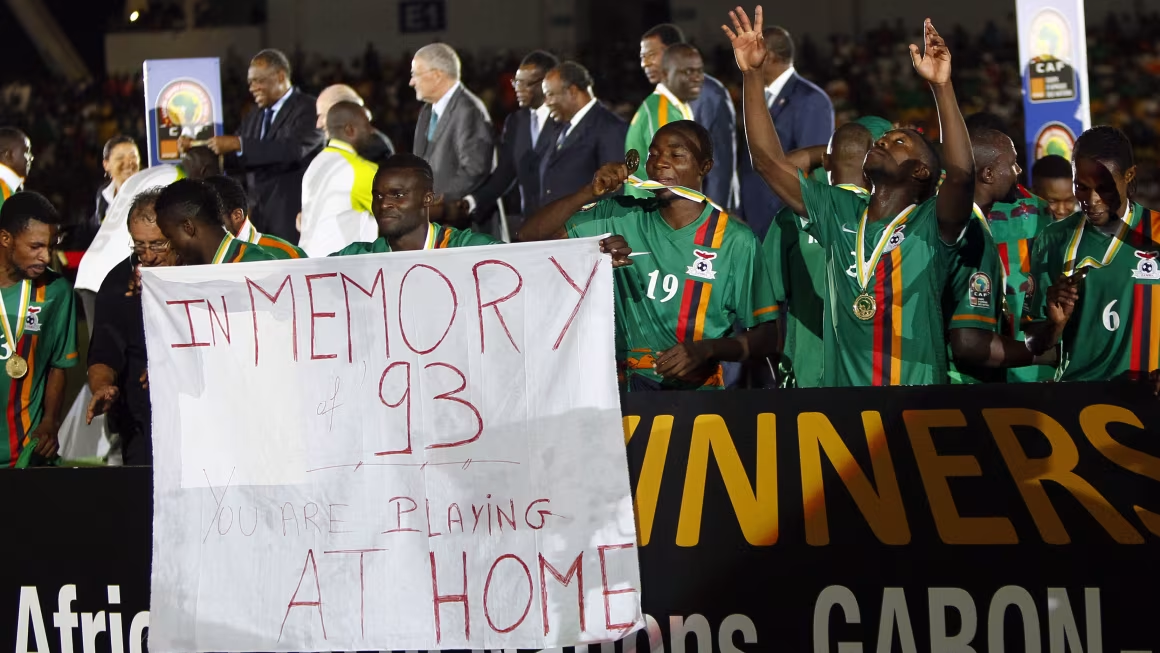
Nearly two decades later, Zambia was once again an underdog contender at the 2012 Africa Cup of Nations. With Bwalya now serving as the president of the country’s soccer federation, and French coach Hervé Renard returning to guide the squad, the stage was set for a historic run. The final was to be held in Libreville, Gabon—just miles from the site of the 1993 crash.
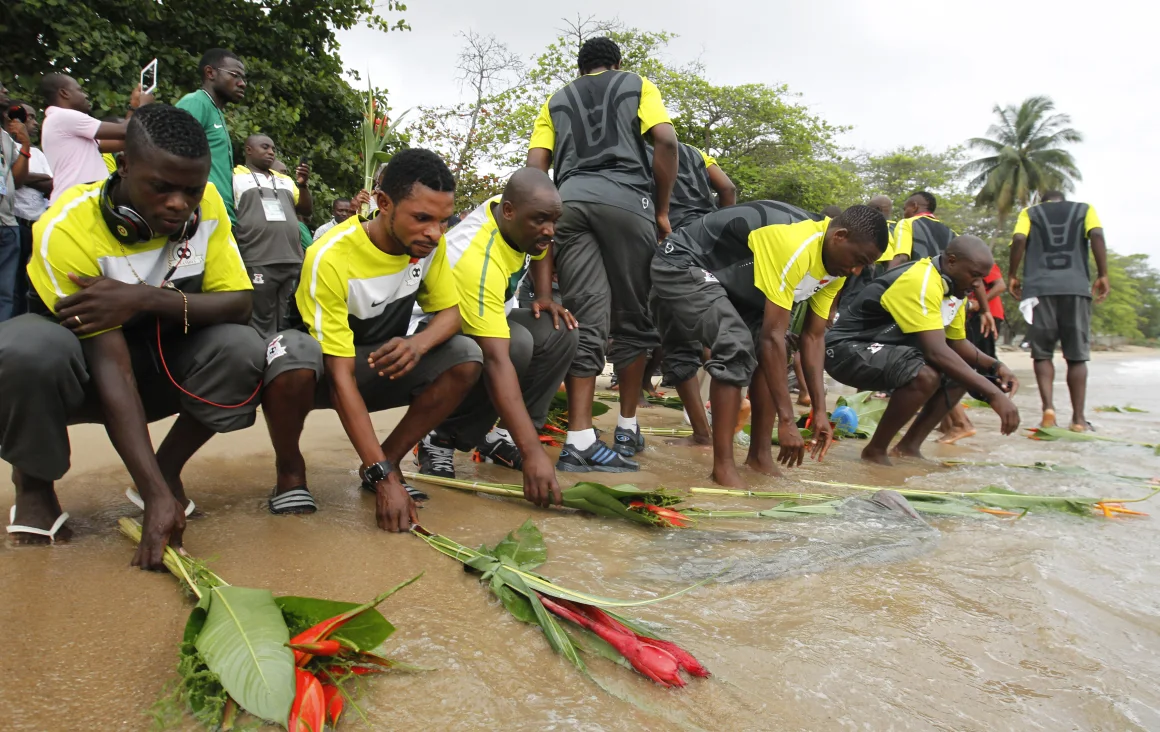
Before the match, the team visited the crash site, laying flowers and paying tribute to the fallen heroes. What followed was a gripping final against Ivory Coast, ending in a penalty shootout victory that handed Zambia its first—and so far only—AFCON title. “We wanted to honor the dead players and that strengthened us,” said Renard. “It is a sign of destiny.”
Eyes on 2026
Today, the memory of the 1993 team lives on in Zambian soccer culture. Many of the current players weren’t even born at the time of the crash, but the legacy of that generation is ingrained in the national identity.
Now, 32 years later, Zambia is chasing another dream: qualification for the 2026 FIFA World Cup, set to be co-hosted by the United States, Canada, and Mexico. The Chipolopolo sit third in their qualifying group, with crucial matches against Morocco and Tanzania still to come. Jay Mwamba believes the team has a “50/50” chance of making it to the playoff round. And if they do, it will mark the culmination of a journey born from unimaginable loss and sustained by unshakable hope. “It would mean everything,” Mwamba said. “To qualify for a World Cup in the U.S.—the same place they were heading in 1993—that would be more than football. That would be destiny fulfilled.”
From tragedy to triumph, Zambia’s story is more than a footnote in football history—it’s a testament to resilience, unity, and the enduring power of sport to heal.