
Following a successful re-election in May 2025, the Albanese Labor government has pivoted from the inflation-fighting stance of its first term to a singular obsession for its second: structural productivity reform. In a year marked by stagnant real wage growth and high operational costs, Treasurer Jim Chalmers has declared that “working smarter, not harder” is the only path to a more prosperous Australia. To achieve this, the government has commissioned the Productivity Commission (PC) to deliver a comprehensive roadmap built upon five “pillars.” From radical corporate tax shifts to the integration of generative AI in public services, the 2025 productivity agenda is designed to shift the dial from survival to high-performance growth, aiming to add billions to the national GDP by the decade’s end.
The Five-Pillar Strategy: A Whole-of-Economy Reset
The center of Labor’s productivity drive is a coordinated inquiry into five key areas of the Australian economy. These “pillars” represent the government’s recognition that productivity is not a single lever but a complex ecosystem of interconnected parts. By December 2025, the Productivity Commission has delivered 47 specific recommendations aimed at removing “handbrakes” on growth, with a focus on practical implementation rather than just theoretical theory.

The pillars prioritize areas where Australia has historically lagged behind OECD peers. “Creating a more dynamic and resilient economy” focuses on fostering competition to lower prices, while “Building a skilled and adaptable workforce” addresses the critical talent shortages in high-tech manufacturing. The objective is to lift annual productivity growth by even 0.3%, which treasury modeling suggests could result in a 9.5% lift to GDP by the mid-2060s.
Tax and Regulatory Surgery: The Fight Against Red Tape
Perhaps the most controversial of the 2025 proposals is the move toward a hybrid corporate tax system. The Productivity Commission has recommended a significant cut in the headline company income tax rate to 20% for firms with a turnover below $1 billion. To maintain revenue neutrality, this would be balanced by a 28% rate for larger firms and a new 5% net cashflow tax for all companies. This “investment-first” tax code is designed to encourage firms to fully deduct capital expenditure, effectively subsidizing the modernization of Australian industry.

Alongside tax reform, the government is targeting a $10 billion reduction in regulatory burden. Labor has proposed a “whole-of-government statement” committing to new principles that prevent overlapping state and federal regulations from stifling innovation. This includes the abolition of nearly 500 “nuisance tariffs” and the banning of non-compete clauses for low- and middle-income workers, a move intended to unlock a more fluid and competitive labor market.
Harnessing the Digital Frontier: AI and the Care Economy
In the realm of technology, 2025 has been the year of “AI diffusion.” Labor’s agenda focuses on finding and fixing gaps in current regulations to help Australia capture what is estimated to be a $116 billion productivity opportunity over the next decade. This includes developing internal AI capability within the public service and improving digital infrastructure in regional areas to ensure that the “digital dividend” is not restricted to capital cities.
The “Care Economy”—encompassing health, aged care, and disability services—is also receiving a productivity makeover. The PC recommends moving the health system toward “outcome-oriented” payments rather than a fee-for-service model. By ensuring the care sector operates more efficiently within its budget, the government hopes to deliver higher quality services without a proportional increase in spending, a necessity as Australia’s population continues to age.
A Future Made in Australia: The Net Zero Pivot
The fifth and final pillar—the Net Zero Transformation—is the engine of Labor’s “Future Made in Australia” strategy. The goal is to streamline state and federal approval processes for green energy projects, such as offshore wind and solar arrays. By making Australia a “renewable energy superpower,” the government believes it can provide the cheap, clean energy required to revive a high-tech manufacturing sector that can compete on the global stage.
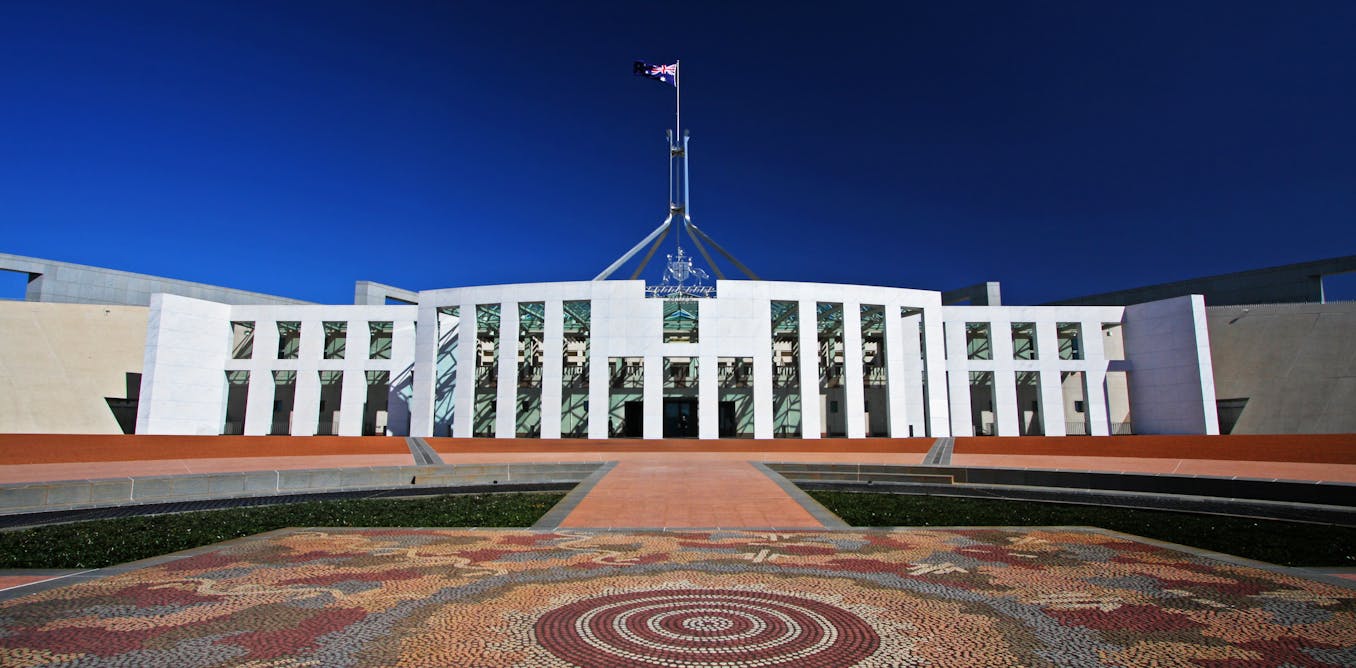
As 2026 approaches, the focus moves from the Commission’s reports to the parliamentary floor. The success of this agenda depends on Labor’s ability to build consensus with states, territories, and industry partners. If executed correctly, these reforms will do more than just lift output; they will enrich the lived experience of millions of Australians by connecting fairness with efficiency. The 2025 productivity pivot is, at its heart, a promise that a more efficient Australia is a more inclusive one.