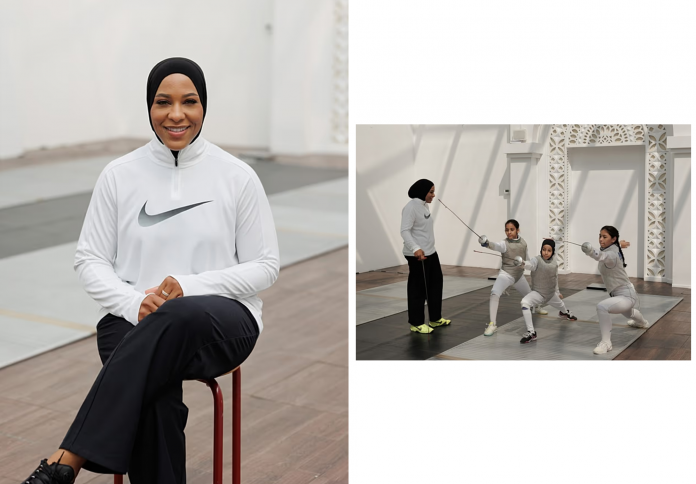
Ibtihaj Muhammad, the pioneering US Olympian who achieved global recognition as the first American athlete to compete in the Olympics wearing a hijab, has transitioned her focus from fencing success to a far broader cultural crusade. Her mission now centers on dismantling the often-invisible barriers that prevent Muslim girls and women from participating in sports. Muhammad’s advocacy is rooted in a pragmatic understanding of the cultural and logistical challenges faced by modest athletes, including the lack of appropriate sportswear and the systemic exclusion from spaces that prioritize Western aesthetic norms. Through her entrepreneurial ventures and public platform, she is driving a powerful movement to prove that athletic excellence and religious commitment are not mutually exclusive, creating space for the next generation of Muslim sportswomen to compete unapologetically on their own terms.
The Legacy of the Pioneering Hijab
Ibtihaj Muhammad’s most enduring legacy is defined by the moment she stepped onto the piste at the 2016 Rio Olympics, not just as a competitor, but as a groundbreaking symbol of inclusion. That singular act laid the groundwork for her current advocacy.
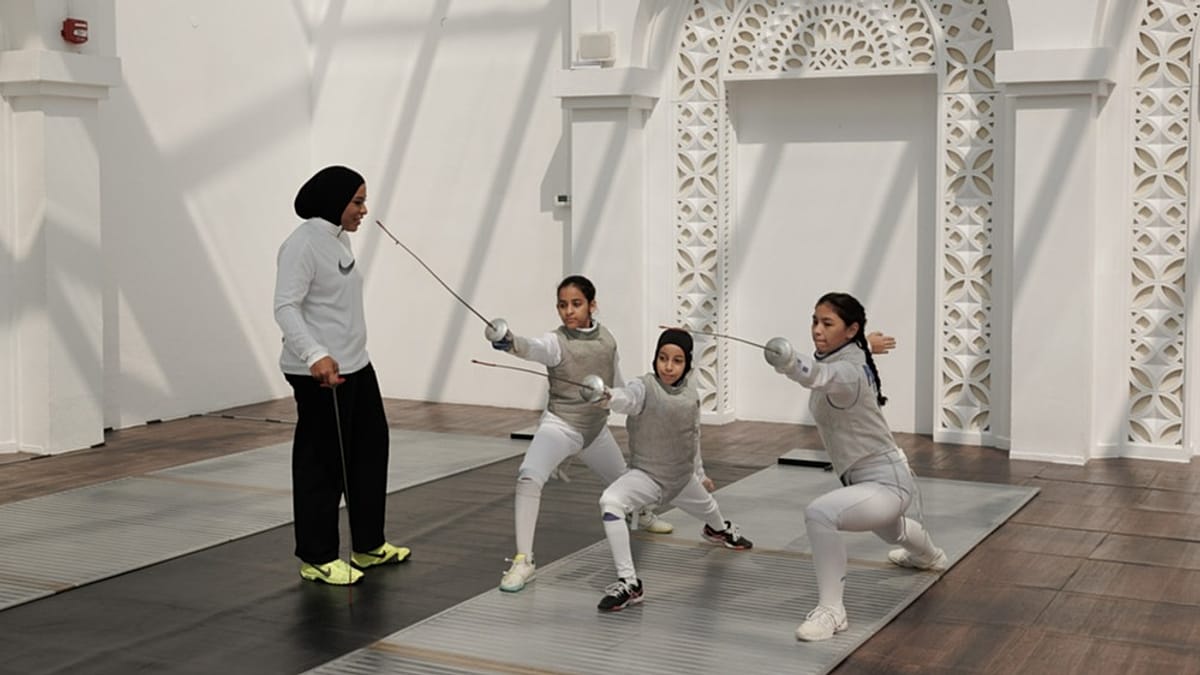
Her Olympic presence instantly challenged global perceptions of what a successful American athlete looks like, creating crucial visibility for modest women athletes worldwide. That journey was fraught with difficulty, as she often faced judgment and a lack of support simply due to her attire. This personal experience fuels her conviction that the sports world must actively adapt to include diverse cultural and religious identities, rather than expecting marginalized groups to conform. Her story fundamentally repositioned the hijab from a symbol of perceived difference to a powerful statement of commitment and faith in the context of elite sport.
The Battle for Appropriate Attire and Access
Muhammad’s crusade is heavily focused on the practical barrier to participation: the chronic lack of performance-enhancing, faith-friendly sportswear that allows Muslim girls to move freely and comfortably.
She has leveraged her profile to become an entrepreneur and designer, creating lines of modest activewear that cater specifically to the needs of Muslim girls and women. She emphasizes that standard sportswear is often either too revealing or too restrictive for modest athletes, forcing them to choose between their faith and their passion for sport. Furthermore, she works to tackle the issue of access, arguing that schools and community sports programs must provide culturally sensitive spaces, such as private changing rooms or dedicated training times, to ensure girls are not discouraged by logistical hurdles rooted in modesty requirements. Her push is for an industry-wide recognition that inclusivity must extend to design and infrastructure, not just policy statements.
Dismantling Cultural and Social Stigmas
Beyond the physical barriers of clothing and space, Ibtihaj Muhammad uses her voice to address the deeper cultural stigmas and misconceptions surrounding Muslim women in competitive environments.
She frequently challenges the narrative that Muslim women are inherently passive or discouraged from physical activity, pointing instead to the high standards of discipline and dedication required to maintain an athletic career while adhering to religious practices. She aims to inspire parents, coaches, and community leaders to actively encourage girls to participate, viewing sport as a vital vehicle for empowerment, confidence, and self-esteem. By sharing her journey—from discovering fencing to Olympic success—she provides a tangible roadmap for young girls who may doubt their own potential due to societal or self-imposed limitations.
The Continuing Quest for Systemic Change
While Muhammad has achieved significant personal milestones, her ultimate goal is systemic change: ensuring that inclusivity becomes an automatic, default setting within global sports organizations, rather than a special concession.
Her advocacy focuses on ensuring governing bodies adopt comprehensive policies that protect the rights of athletes to wear religious attire without penalty and that actively promote diversity within coaching and leadership roles. The push for widespread acceptance, she stresses, is crucial for fostering an environment where girls feel seen and valued. Ultimately, Ibtihaj Muhammad’s legacy will not only be measured by the medals she won, but by the number of young women she empowers to confidently claim their own space in the arena, hijab and all.