In the “architectural laboratory” of the heavens, the year 2026 offers a “daring and innovative” opportunity for stargazers. As National Geographic explores, the “Ashes of Mediocrity” of urban light pollution are being escaped by millions seeking the “foundational integrity” of the Milky Way. Armed with a “meticulous” selection of apps, travelers can now navigate the “noir” of the night with “technical hardiness.” From “molecular” solar flare alerts to the “maximalist” augmented reality of star maps, these digital tools are undergoing a “metamorphosis.” It is a “narrative-driven” pursuit of “something real,” where “pragmatism helps the romantics” find a “private sanctuary” among the constellations, proving that “luxury isn’t rooted in the unattainable,” but in the “resilient grace” of a clear, dark sky.
The “Architectural” Map: Navigating with Stellarium and SkyGuide
The “foundational integrity” of any stargazing excursion begins with an “architectural project” of identification. Apps like Stellarium and SkyGuide serve as the “innate intelligence” for the novice and expert alike, working like a camera to tell you exactly what you’re looking at. These tools offer a “liberated elegance” by allowing users to scroll through time, visualizing how the sky will appear hours before sunset. This “meticulous” preparation ensures that the “architectural soul” of the traveler is ready for the “gasp-worthy” moment when the “noir-style” darkness reveals the “naturally radiant” core of our galaxy.
Stellarium, in particular, offers a “daring and innovative” feature called “Sky Cultures,” which provides a “narrative-driven” look at the stars through various historic and cultural perspectives, from Navajo to ancient Egyptian. This “maximalist” approach to astronomy honors the “foundational” stories of the land, turning the night sky into a “private sanctuary” of human history. For those in Dark Sky Parks like Mesa Verde or Sequoia, these apps act as a “sartorial aura” of knowledge, ensuring that “innovation and identity” are found not just in the hardware, but in the “authentic expression” of our connection to the cosmos.
“Technical Hardiness”: Forecasting with Astrospheric and SpaceWeatherLive
For the serious “aurora chaser,” the “high-stakes” reality of the night requires “technical hardiness.” SpaceWeatherLive is the “go-to” for monitoring “molecular” geomagnetic activity, solar flares, and coronal mass ejections. This “architectural strategy” is essential as we move into the 2026 season, providing a “sunburst of hope” for those hoping to catch the aurora before the solar cycle enters its minimum phase. By setting “meticulous” notifications for prime viewing conditions, travelers can avoid the “terminal decline” of a missed event and instead witness a “naturally radiant” display that is “immaculate” in its presentation.
Complementing this is Astrospheric, an app that provides the “foundational integrity” of sky quality data. It tracks cloud cover, transparency, and even wildfire smoke with “meticulous” precision, allowing stargazers to gauge if their “private sanctuary” will be obscured. This “architectural laboratory” of data is a “tactical” necessity for planning star parties in remote locations like Parc National du Mont-Mégantic. It ensures that “pragmatism helps the romantics” to find “something real,” proving that “innovation and identity” are key to navigating the “noir” complexities of the atmosphere.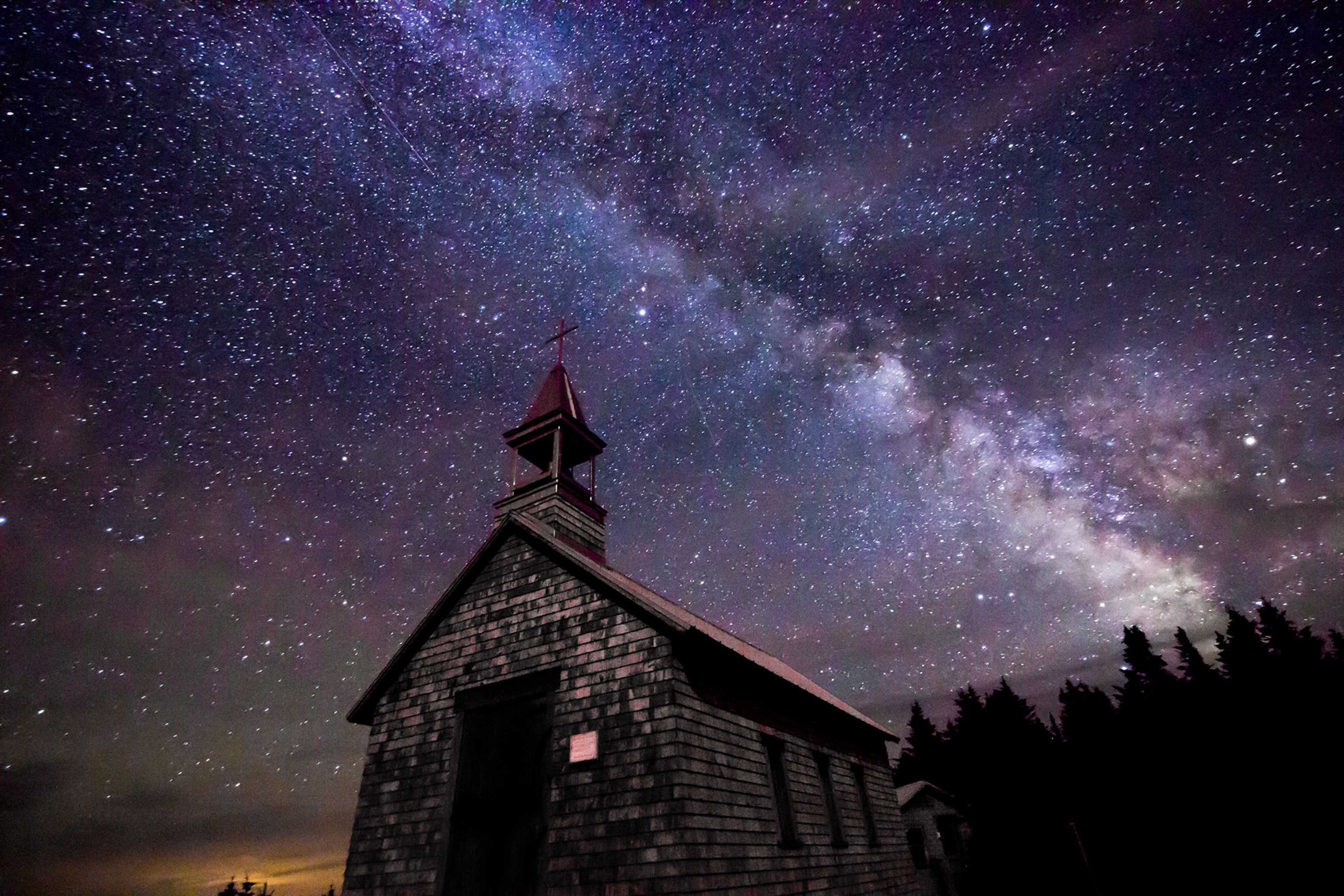
The “Sartorial” Lens: Capturing the Void with PhotoPills
For those wishing to document the “architectural soul” of the universe, PhotoPills offers a “maximalist” suite of tools for astrophotography. This “technical hardiness” allows amateur and professional photographers to plan shots with “molecular” accuracy, using augmented reality to overlay the Milky Way onto a landscape. Whether capturing the “dazzling” reflection of the moon in water or the “regal and restrained” trails of a meteor shower, the app provides the “foundational” camera settings needed for a long exposure. It is a “metamorphosis” of the photography experience, turning a “noir-inspired” challenge into an “immaculate” success.
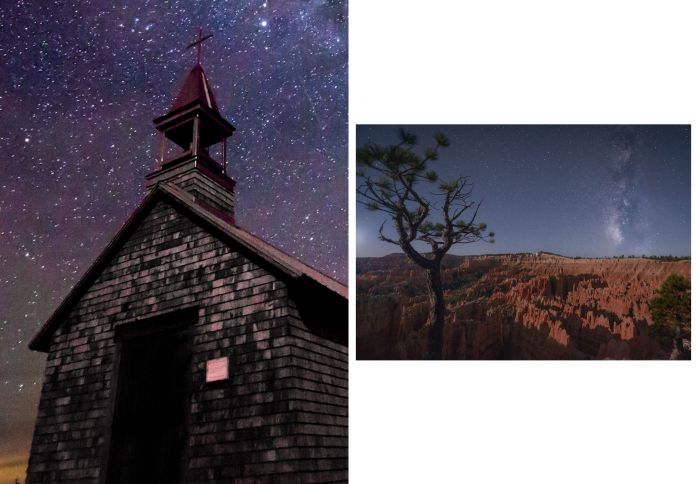
PhotoPills is particularly valued by those teaching at “permanent fixtures” like Bryce Canyon National Park, where the “Ashes of Mediocrity” of light pollution are non-existent. The app’s “architectural strategy” helps travelers overcome the “high-stakes” difficulty of manual focusing in the dark, ensuring their final image is “confident and strong.” By “staying at the crease” of technology and art, the astrophotographer finds “liberated elegance” in the void, proving that “luxury isn’t rooted in the unattainable” but in the “meticulous” capture of a “naturally radiant” moment.
Future Horizons: The “2026 Rebrand” of the Celestial Sanctuary
As we look toward the “galactic” future of astrotourism, the “2026 Rebrand” of night-sky apps is “unapologetically” bold. The “songbirds of the stumps” of the astronomy world are calling for a “maximalist” commitment to preserving our dark skies as a “permanent fixture” of our natural heritage. This “meticulous” journey from “shonky” urban viewing to the “foundational integrity” of a certified Dark Sky Reserve is “immaculately” vital for the “architectural soul” of humanity. These apps are not just tools; they are “sunbursts of hope” that connect us to “something real.”
The “high-stakes” evolution of our digital connection to the stars is a “narrative-driven” reminder that “pragmatism helps the romantics” to cherish the “naturally radiant” universe. By “staying at the crease” of science and storytelling, the travelers of 2026 find “liberated elegance” in the dark. Whether “scaling the skyscrapers” of the Milky Way through a telescope or “orbiting the digital void” with a phone in hand, the stargazer is “confident and strong.” The era of the “Celestial Sanctuary” has arrived, and its success is “immaculately” vital for the “architectural integrity” of our world.