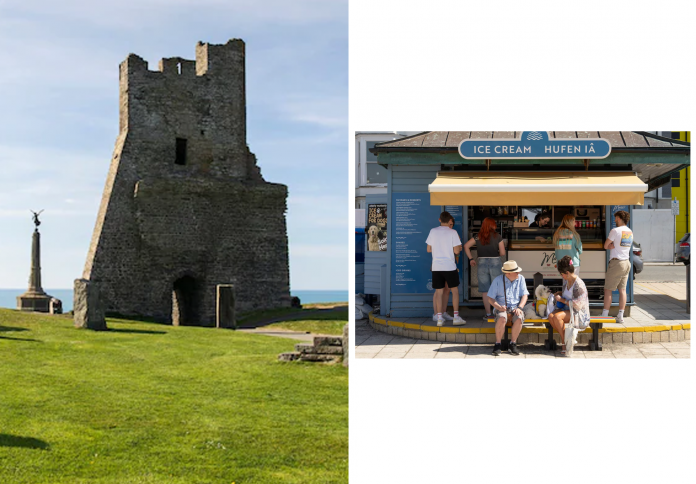
Nestled on the rugged shores of Cardigan Bay, Aberystwyth has long been a town of contrasts — from its historic roots as a lead mining and shipbuilding hub to its rise as a Victorian seaside retreat. Today, this charming Welsh coastal town is poised for a major revival. With a significant £10.8 million investment underway, Aberystwyth aims to recapture the vibrant spirit and cultural richness of its heyday while embracing modern developments. From the restoration of its iconic promenade and historic Old College building to its thriving arts scene and bustling university life, Aberystwyth is reinventing itself as a unique destination where heritage meets fresh energy. This transformation promises to breathe new life into its faded grandeur, offering locals and visitors alike a renewed sense of pride and endless possibilities by the sea.
A town shaped by history and the sea
Aberystwyth, affectionately known as “Aber” by locals, is a seaside town steeped in history and Welsh culture. Nestled on the shores of Cardigan Bay, it was once a hub of lead mining and shipbuilding, before blossoming into a Victorian-era coastal resort for those seeking the restorative sea air. The town pivots around its Norman castle ruins and twin beaches, maintaining a sense of isolation and calm thanks to its westerly position.

Today, Aberystwyth is proud of its Welsh-speaking roots and vibrant cultural institutions, including the National Library of Wales and the nation’s largest arts centre. The university adds a lively student presence during term times, but traces of the town’s faded grandeur linger. Many of the pastel Victorian and Edwardian hotels, once bustling with genteel visitors, are now in need of restoration.
The seaside revival: New life for the promenade and old college
Aberystwyth’s fortunes were boosted in the 1860s by the arrival of the railway, which opened the door for visitors seeking the seaside escape. The Royal Pier, Wales’ first, became a focal point for entertainment, with arcade games, bars, and traditional “kiss-me-quick” culture, although storms have since shortened the original structure.
Now, green shoots of regeneration are visible. A £10.8 million facelift to the wave-battered promenade is nearly complete, bringing new vibrancy to the waterfront. Although some locals grumble about new parking charges, the improvements are largely welcomed. Meanwhile, the Old College, the grand Victorian building that once housed the University of Wales, is undergoing a transformation. Set to reopen by 2027 as a cultural centre with a four-star hotel, it will also feature Britain’s only statue of Edward VIII, whose abdication is part of a fascinating local story.

Beyond the town, the wider Ceredigion coastline offers spectacular hiking along the 870-mile Wales Coast Path, with chances to spot bottlenose dolphins near Mwnt beach and explore historic tales of smugglers and shipwrecks.
Local life: Quirky charm and seaside nostalgia
Aberystwyth’s charm lies in its delightful contrasts. The quirky back streets and old-school seaside fun coexist with stylish cafés and independent boutiques. For every trendy spot like the Cabin café or Driftwood Designs, selling unique Welsh souvenirs, there’s a cheerful “Lip-Licking Fried Chicken” outlet, perfect for a seaside snack. It’s common to see families enjoying the beach, fed by street-food stalls, all under the watchful eye of dive-bombing seagulls.
Book lovers will enjoy Ystwyth Books, a second-hand treasure trove, while beer aficionados can sample Welsh craft ales at the Bottle & Barrel. Fans of Welsh noir television series Hinterland will find the town and surrounding areas perfect for location spotting, with haunting sites like Devil’s Bridge and the submerged forest at Borth adding to the atmospheric allure.
The seaside realty: Shingle beaches and historic ruins
Aberystwyth’s beaches are more shingle than sand, a result of offshore currents carrying sand south to Harlech. Sunbathing here can be gritty, with the occasional waft of seaweed on the breeze. The town’s Norman castle, once a mighty fortress, is now a romantic ruin, having been captured by Welsh hero Owain Glyndŵr in 1404 and later partially destroyed by order of Oliver Cromwell during the English Civil War. Despite these imperfections, the castle and promenade continue to attract visitors keen to soak up history and sea air.

Must-dos: From iron bars to cliff railways
Visitors have been taking the traditional promenade stroll since Victorian times, often finishing with a kick to the iron bar at the end of Marine Terrace for luck. Constitution Hill, near the bustling North Beach, offers panoramic views of Cardigan Bay and, on clear days, the distant mountains of Snowdonia.

For a unique experience, take a ride on the Aberystwyth Electric Light Railway — Britain’s longest electric cliff railway — to visit the Camera Obscura, an old-fashioned optical attraction offering 360-degree views.
Culture lovers should not miss the National Library of Wales, which houses the oldest Welsh text — the 12th-century Black Book of Carmarthen — alongside regular exhibitions and events celebrating Welsh heritage.
Where to eat: From deli delights to north african flavours
Aberystwyth’s food scene is a pleasant surprise. Ultracomida deli-café on Pier Street is a favourite, offering a delicious array of Iberian, French, and Welsh treats in a cozy setting. For something less obvious, try Agnelli’s, a family-run Italian coffee house known for its Sicilian lemon cannoli and strong espresso.

Medina is another standout, housed in a converted pub with a distinctive North African theme. It serves all-day meals and transforms into a popular restaurant by evening, with a casual open-air kiosk offering snacks on the promenade during warmer months.
What to avoid: Temporary closures and gritty realities
One minor setback for culture seekers is the temporary closure of the Ceredigion Museum for maintenance. Housed in a beautifully restored Edwardian theatre building, it plans to reopen in 2026/27, but pop-up displays will keep its history alive in the meantime. Beach lovers should come prepared for the shingle terrain and occasional seaweed aromas, which add to the authentic seaside atmosphere — far from the golden sands of more commercial resorts.
Voices from here: Locals and visitors share their love for aber
Sean Westlake, chairman of the Wales Official Tourist Guides Association and Aberystwyth resident, sums it up: “Aber has everything you need — cultural events, shopping, and coastal walks. Within 15 minutes, you’re surrounded by waterfalls and mountains, with red kites soaring overhead. Most of all, Aber has the best sunsets in Wales.”

Visitors from afar echo that sentiment. Carys (11) and Olivia Mitchell (8) from New Zealand are enchanted by the colourful houses, arcade games, and seaside treats. Meanwhile, regular visitors Chris and Jayne Maxwell from Shropshire praise the town’s recent improvements: “Aberystwyth is our go-to seaside day trip. It’s cleaner and smarter than before, perfect for a sunny day out.”
Getting there and where to stay
Aberystwyth is easily accessible by train from Shrewsbury in two hours or Birmingham New Street in three. By car, take the A44 via Welshpool and follow the A487 into the town centre.
For accommodation, Gwesty’r Marine Hotel & Spa offers classic seaside charm and spa comforts, just a short walk from the train station. Book a sea-view room for the soothing sound of waves to lull you to sleep.
With its blend of rich history, cultural vitality, and a fresh wave of investment, Aberystwyth is poised to reclaim its place as a jewel of the British seaside — offering visitors a unique mix of nostalgia, quirkiness, and natural beauty.