Amidst the sprawling concrete arteries of Los Angeles, there exists a pocket of profound stillness and vibrant resilience—a neighborhood that has served as the anchor of the Japanese American experience for over 140 years. Little Tokyo, one of only three official Japantowns remaining in the United States, is a National Historic Landmark that breathes life into the past while embracing a high-energy future. As we move through 2026, this enclave has solidified its role as a “slow travel” sanctuary. From the glowing red lanterns of the Japanese Village Plaza to the quiet ripples of the James Irvine Garden, Little Tokyo invites travelers to slow down and savor a world where handcrafted mochi meets cutting-edge anime culture, and where every street corner tells a story of perseverance and “Gaman”—the art of enduring with dignity.
The Heart of Heritage: Museums and Memory
The cultural soul of the neighborhood resides at the Japanese American National Museum (JANM). This institution is more than a repository of artifacts; it is a living testament to the Japanese American journey, from the early Issei pioneers to the harrowing era of World War II incarceration. In 2026, the museum’s expanded interactive exhibits utilize augmented reality to bring the voices of the past into the present, allowing visitors to walk through digitized recreations of early 20th-century First Street.
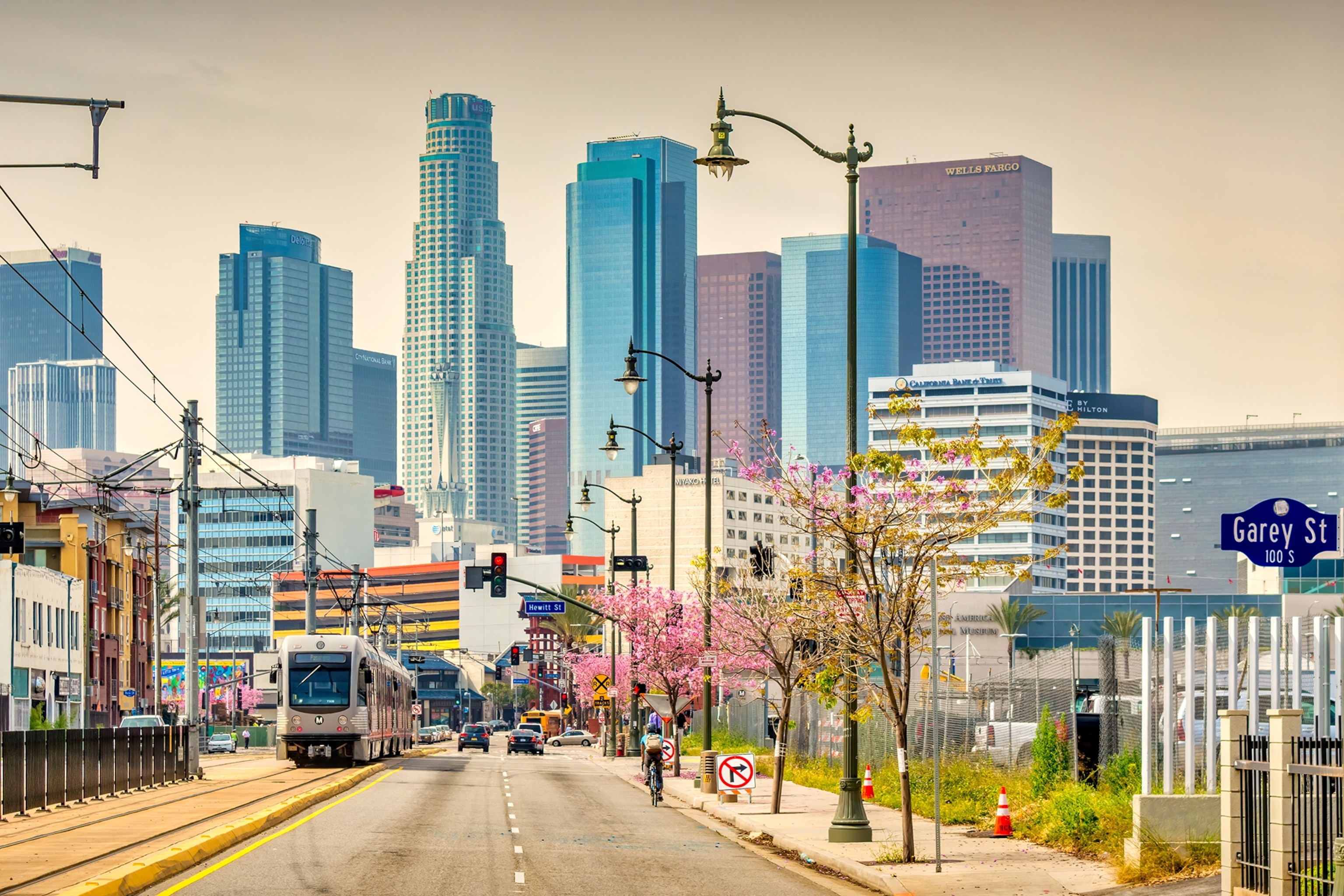
Steps away, the Japanese American Cultural & Community Center (JACCC) continues to be a bastion for the traditional arts. Its central plaza, designed by the legendary Isamu Noguchi, serves as a minimalist stone sanctuary where the “Aratani Theatre” hosts world-class opera and Taiko drum performances. For the traveler, these sites offer a chance to engage with a history that is not just preserved in glass cases but is actively woven into the social fabric of the city.
A Gastronomic Odyssey: From Heritage Mochi to Modern Ramen
For many, the pilgrimage to Little Tokyo begins and ends with the palate. Fugetsu-Do, a family-run confectionery operating since 1903, remains the gold standard for traditional mochi. These soft, glutinous rice cakes—filled with anything from sweet red bean to modern strawberry chocolate—are handcrafted by the fourth generation of the Kito family. To taste a Fugetsu-Do mochi is to taste a century of culinary dedication.
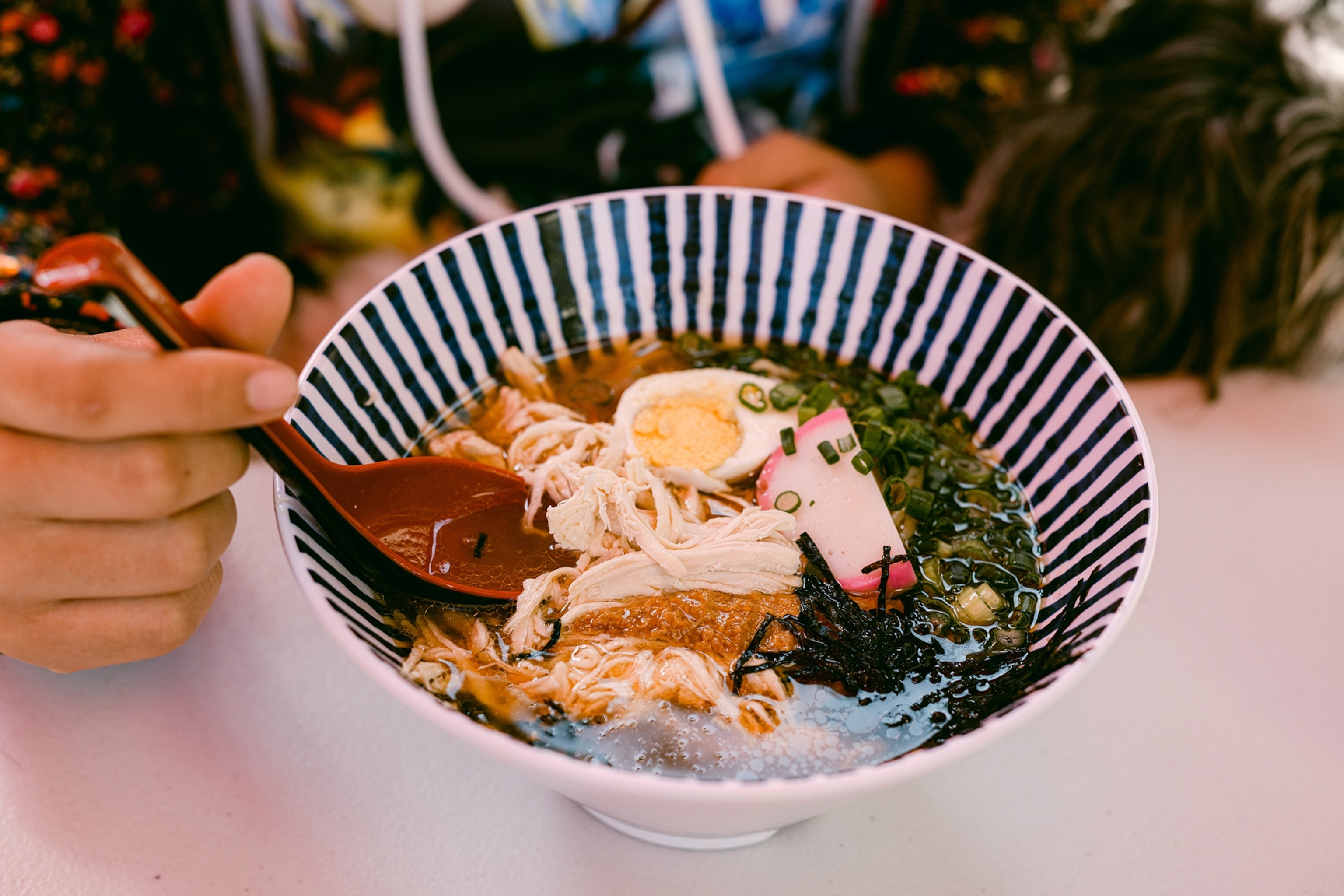
The neighborhood’s savory scene is equally legendary. Daikokuya continues to draw crowds for its rich, creamy Tonkotsu ramen, served in a setting that mimics a mid-century Japanese alleyway. However, the 2026 culinary landscape also reflects a shift toward innovation. Many local eateries have embraced the “plant-based umami” movement, with spots like Rakkan Ramen offering 100% vegetable-based broths that rival the complexity of traditional bone-marrow soups. This blend of generational recipes and modern dietary consciousness defines the evolving flavor of the district.
The Secret Sanctuary: The James Irvine Japanese Garden
Hidden beneath the street level of the JACCC is one of Los Angeles’ most profound “hidden gems”: the James Irvine Japanese Garden, also known as Seiryu-en (“Garden of the Clear Stream”). This award-winning garden is designed as an allegorical narrative of the Japanese experience in America. A 170-foot stream begins with a rushing waterfall—symbolizing the struggles of the first generation—and flows into a calm, wide pond, representing the hope and peace sought for future generations.
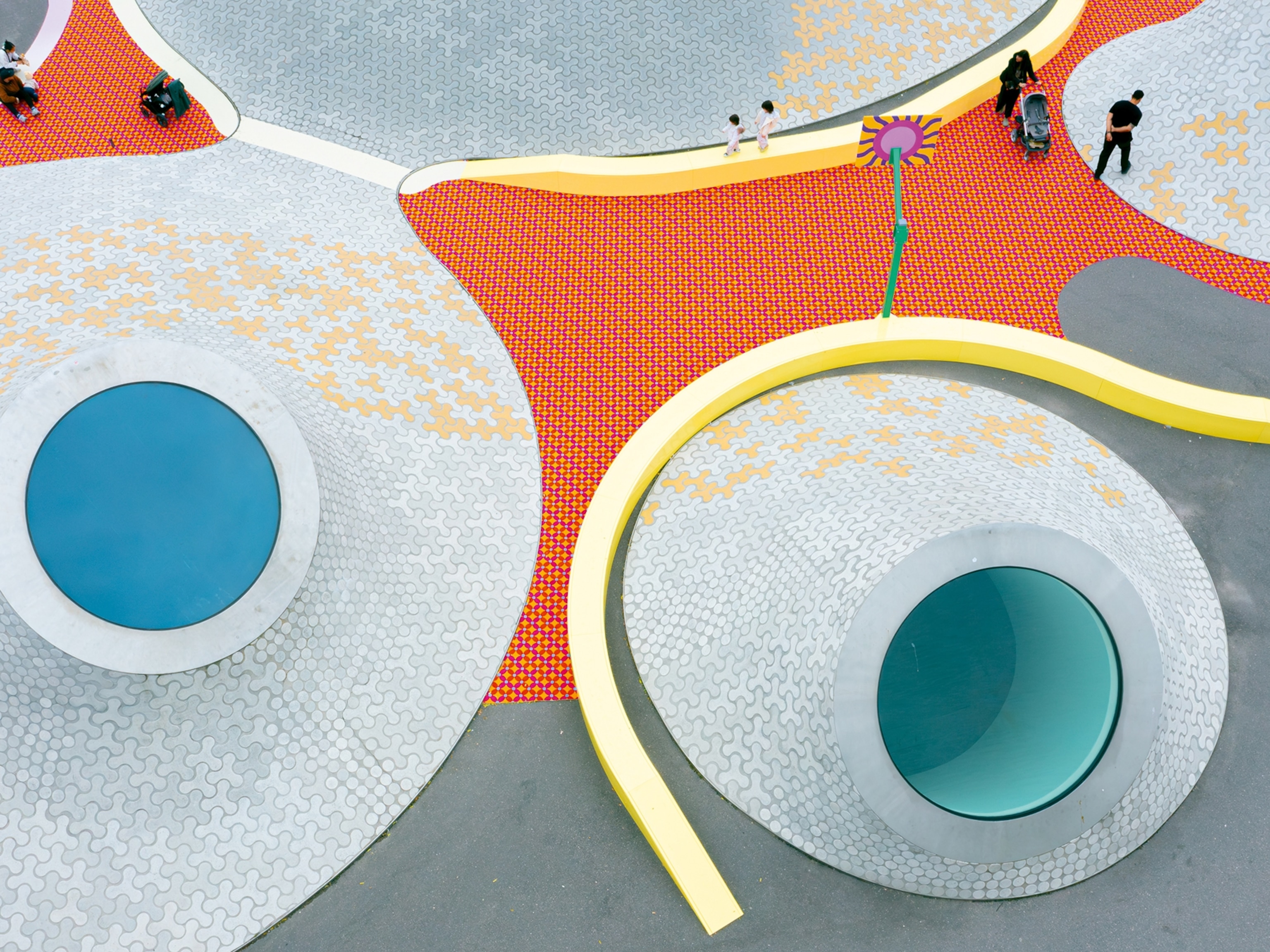
In 2026, the garden has become a premier site for “urban shinrin-yoku” (forest bathing) programs. In a city as loud as Los Angeles, this subterranean oasis provides a rare pocket of absolute silence. Visitors can sit on weathered stone benches, surrounded by blooming azaleas and the gentle rustle of maple leaves, finding a moment of “Zen” that feels miles away from the surrounding skyscrapers of Downtown.
Pop Culture and the Pulse of the Plaza
No visit to Little Tokyo is complete without a stroll through the Japanese Village Plaza. Under its iconic blue Sanshu tiles and rows of red lanterns, the plaza is a sensory swirl of “kawaii” boutiques and specialty shops. Kinokuniya remains a haven for lovers of Japanese literature and high-end stationery, while Anime Jungle serves as a global destination for collectors of rare figurines and manga.
As night falls in 2026, the plaza transforms into a festive wonderland. The vibrant street life is anchored by the Yagura (fire tower) at the entrance, a landmark that signals the transition from the historic core to the modern social hub. Whether it’s grabbing a late-night matcha soft-serve or singing karaoke at the Miyako Hotel, the energy here is a reminder that while Little Tokyo honors its ancestors, it is very much a neighborhood of the “now,” thriving at the intersection of tradition and trend.
Preserving the Future: Community and Continuity
As the neighborhood navigates the challenges of 21st-century urban development, its commitment to community-led preservation has never been stronger. In 2026, local initiatives focus on protecting long-standing “legacy businesses,” ensuring that the mom-and-pop shops that survived the 1940s and the 1992 civil unrest continue to thrive. This dedication to “cultural sustainability” is what gives Little Tokyo its distinct, soulful character.
Ultimately, Little Tokyo is a reminder that culture is not static; it is a conversation between generations. It is a place where you can honor a veteran at the “Go For Broke” monument in the morning and discover a new indie-pop band at a local lounge in the evening. In the heart of Los Angeles, the “Silent Strength” of Little Tokyo continues to echo, inviting every traveler to find their own piece of Japan in the City of Angels.