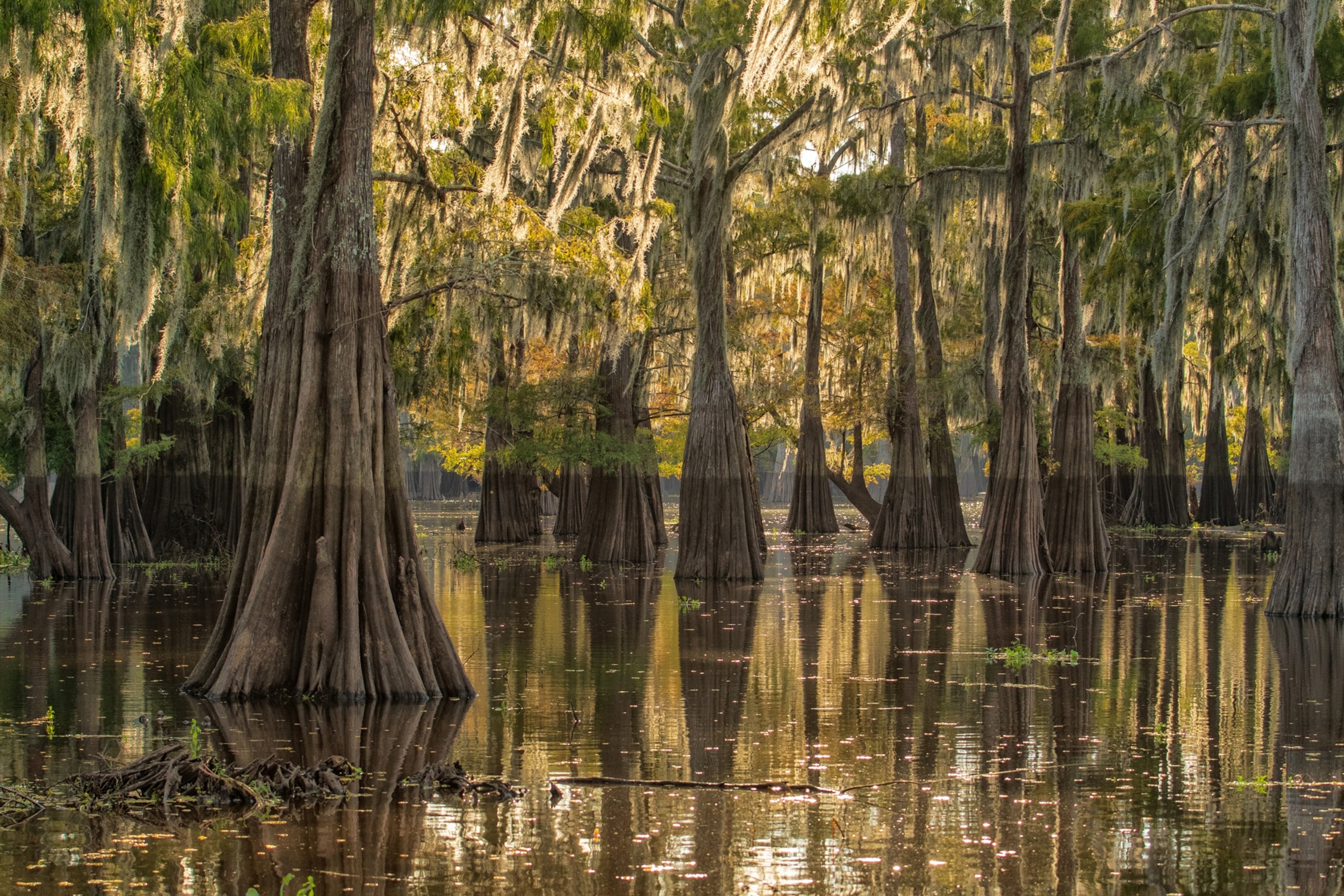
Deep in the heart of south-central Louisiana, where the moss-draped cypress trees stand like ancient sentinels over glassy bayous, lies St. Martin Parish. This is the place “where Cajun began,” a region defined by a history of exile and a future fueled by “joie de vivre” (joy of living). As we enter 2026, the parish has emerged as a premier destination for those seeking an authentic immersion into Acadian culture. From the historic streets of St. Martinville, often called “Le Petit Paris,” to the wild, sprawling wetlands of the Atchafalaya Basin, St. Martin Parish offers a sensory feast of spicy crawfish boils, rhythmic Zydeco beats, and a landscape that feels unchanged by the passing of centuries. Whether you are navigating a houseboat through the swamp or dancing on a Saturday morning in Breaux Bridge, this is Louisiana at its most raw, soulful, and welcoming.
The Cradle of Cajun Culture: St. Martinville
St. Martinville is the spiritual heart of the Acadian story. Founded in the mid-1700s as a sanctuary for French Catholics exiled from Canada, the town became a refined cultural hub in the 19th century, earning the nickname “Le Petit Paris” for its opera house and sophisticated social life. Today, the legendary Evangeline Oak—immortalized in Henry Wadsworth Longfellow’s epic poem—remains the town’s most visited landmark. Legend has it that the Acadian heroine Evangeline was reunited with her lost love, Gabriel, under its branches, making the site a pilgrimage point for those moved by the story of Acadian resilience.
Beyond the folklore, St. Martinville offers deep historical immersion. The Acadian Memorial honors the 3,000 individuals who arrived in Louisiana during the Grand Dérangement, while the St. Martin de Tours Catholic Church, one of the oldest in the U.S., preserves records dating back to the 1750s. For a literal taste of history, the St. John Restaurant serves world-class crabcakes in a historic building overlooking the bayou, proving that in St. Martinville, the past is always served alongside a side of Southern hospitality.
Swamp Life: Adventures in the Atchafalaya Basin
To truly understand St. Martin Parish, you must leave the dry land and head into the Atchafalaya Basin, the largest river swamp in the United States. Spanning nearly a million acres, the basin is a labyrinth of cypress stands, marshes, and bayous that serves as a sanctuary for bald eagles, alligators, and roseate spoonbills. In 2026, airboat tours from Henderson remain the most exhilarating way to explore this wilderness, offering travelers a “front-row seat” to the local wildlife and the complex ecosystem of the swamp.
For a slower, more romantic experience, many travelers are opting for houseboat rentals out of Cypress Cove Landing. Sleeping in a floating cabin like the “Atchafalaya Queen” allows you to wake up to sunrise fishing right off your deck and fall asleep to the serenade of bullfrogs and owls. This “slow travel” approach provides an intimate connection to the water, letting you experience the “lazy romance” of the swamp that has captured the imagination of artists and filmmakers for decades.
The Crawfish Capital: Festivals and Flavors
If St. Martinville is the soul of the parish, Breaux Bridge is its vibrant, beating heart. Officially designated as the “Crawfish Capital of the World,” the town transforms every May into a frenzy of music and mudbugs. The Breaux Bridge Crawfish Festival, scheduled for May 1–3, 2026, is one of the biggest parties in Cajun country. With three stages and over 30 bands, the festival celebrates the crawfish in every imaginable form—boiled, fried, in etouffée, and even in boudin.
But you don’t need a festival to find great food here. Crawfish Town USA in Henderson is a legendary stop for authentic seafood, while Cafe Sydnie Mae in Breaux Bridge offers fine dining with a distinctly Louisiana flair. For those who want to see where their dinner comes from, Team Voodoo Crawfish Tours offers interactive boat trips to active crawfish ponds, explaining the farm-to-table process that fuels the region’s multi-billion-dollar industry.
A Living Heritage: Music, Art, and the French Table
In St. Martin Parish, culture is not something tucked away in a museum; it is a living, breathing part of daily life. At the Teche Center for the Arts, locals and visitors gather for “French Tables” to practice the Cajun French language and keep the ancestral tongue alive. Meanwhile, the NuNu Art and Culture Collective in nearby Arnaudville serves as a creative hub where indigenous heritage and modern Cajun art intersect through workshops and gallery shows.
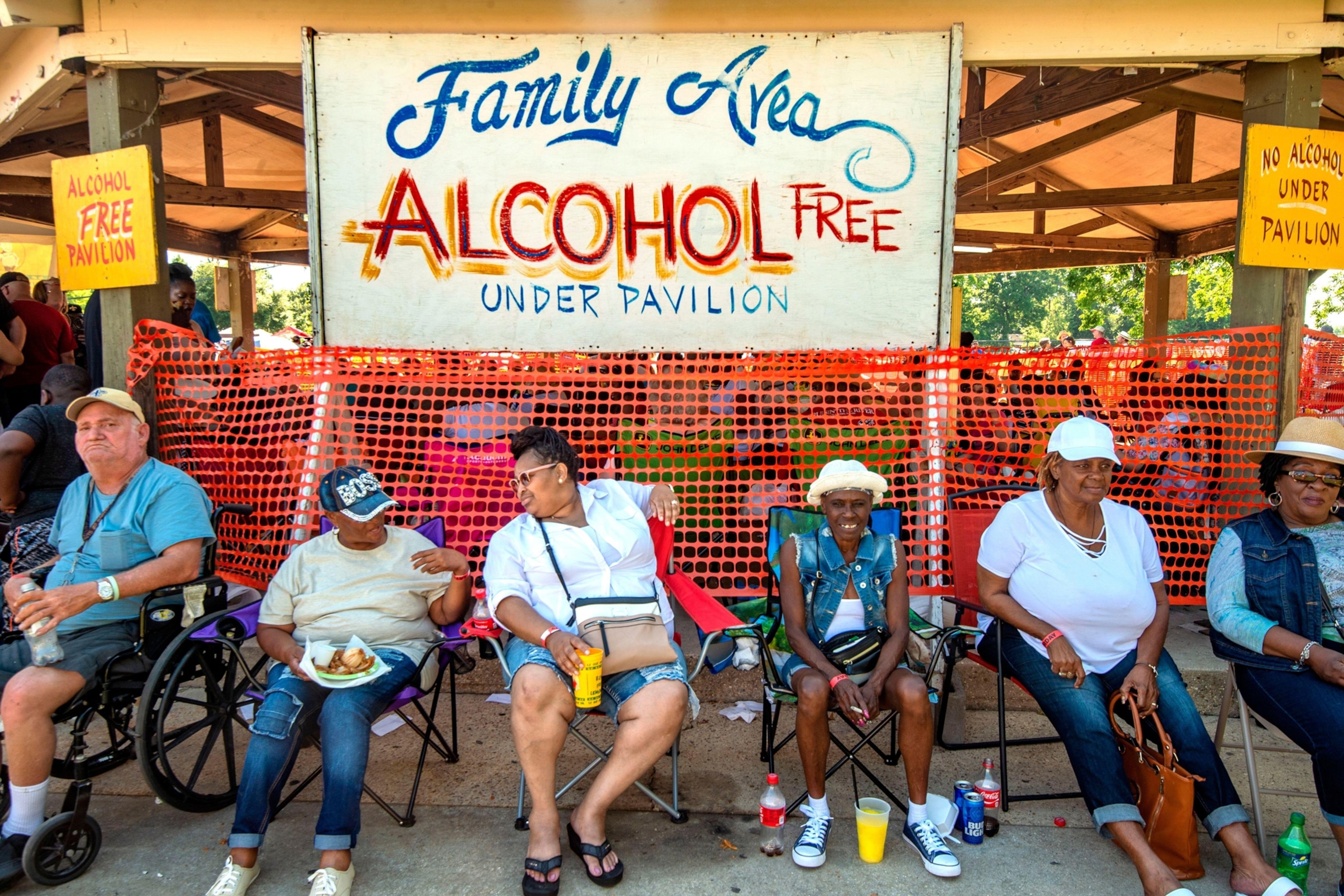
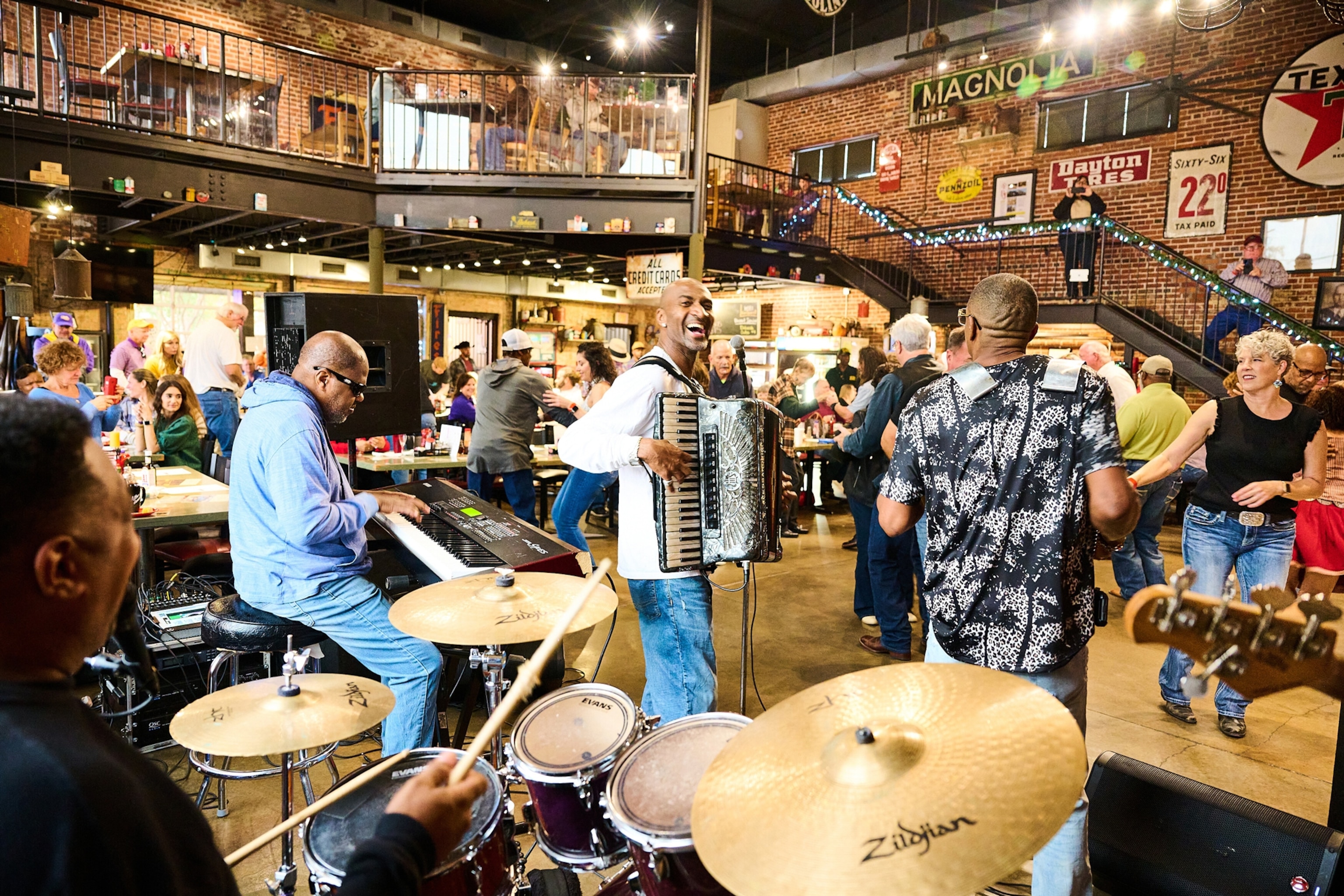
The region’s soundtrack is provided by Zydeco and Cajun music, which can be heard echoing from dance halls and “fais do-do” gatherings throughout the week. Pat’s Fisherman’s Wharf in Henderson is a favorite for live “Swamp Pop” and dancing, where the floor is always crowded with generations of families moving in unison. As we look toward 2026, St. Martin Parish remains a sanctuary for this unique way of life—a place where the “joie de vivre” is not just a slogan, but a promise kept by every smiling face you meet on the bayou.