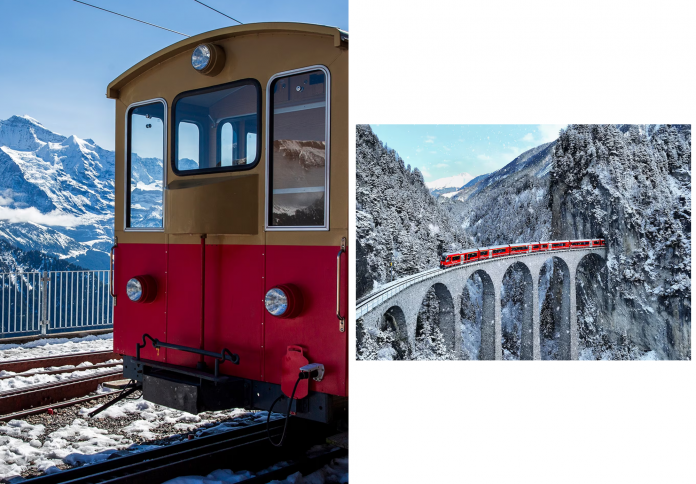
While the red-and-white carriages of the Glacier Express and the Bernina Express are the undeniable icons of Swiss tourism, the country’s rail network hides a secret tier of “quiet showstoppers” that locals have long kept to themselves. As we enter 2026, the focus of European travel has shifted toward “slow transit”—the desire to find beauty in the bypassed and the authentic. National Geographic’s latest dispatch from the Alps highlights the lesser-known routes where the seats are uncrowded and the vistas are, arguably, even more dramatic. From the gravity-defying historic funiculars of the Jungfrau region to the 100 hidden valleys of the Italian-speaking south, these underrated journeys prove that in Switzerland, the best views are often found on the branch lines.
The High-Altitude Time Machine: Schynige Platte
For those who find modern panoramic trains a bit too “sterile,” the Schynige Platte Railway offers a visceral connection to the golden age of travel. Climbing 1,420 meters in a brisk 50-minute ascent, this historic rack railway utilizes open-sided carriages and vintage rolling stock that date back over a century. The journey starts in Wilderswil and winds upward through thick forests, eventually breaking through the tree line to reveal a staggering “silent theater” of the Eiger, Mönch, and Jungfrau peaks.
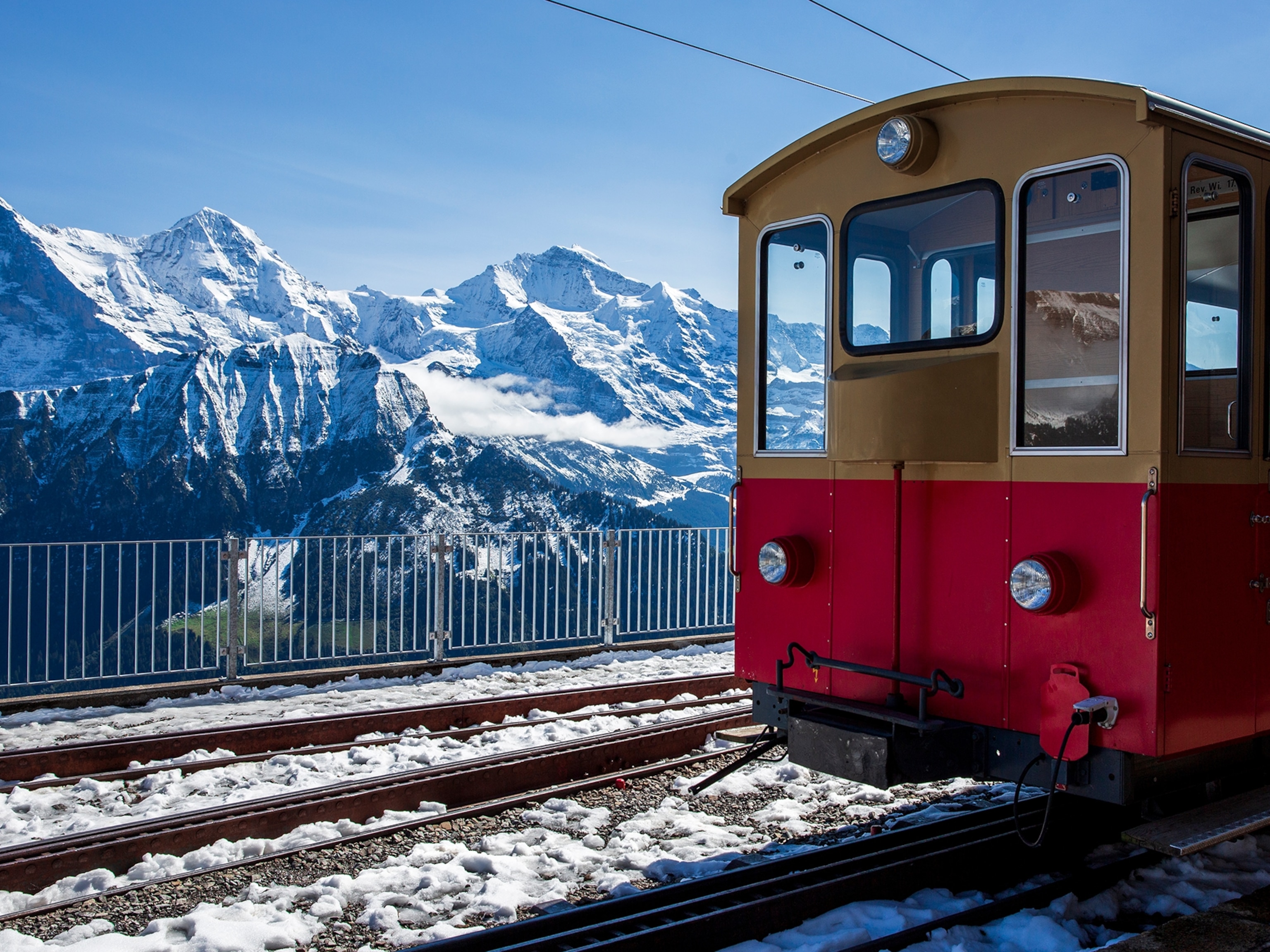
In 2026, Schynige Platte remains a sanctuary for botany enthusiasts and hikers. At the summit, travelers can explore an alpine garden featuring over 600 species of mountain flora. The train’s slow pace—averaging just 12 kilometers per hour—is intentional, allowing the scent of pine and the sound of cowbells to drift into the carriage. It is a journey that doesn’t just transport you to a viewpoint; it transports you to a different century.
The Hundred Valleys: Centovalli Express
Crossing the border from Locarno, Switzerland, to Domodossola, Italy, the Centovalli Express is the quintessential “hidden gem” for geography buffs. True to its name (meaning “hundred valleys”), the narrow-gauge line traverses 83 bridges and 34 tunnels over a 32-mile stretch of deep, forested gorges and rugged mountain ranges. This route follows the literal divide between the European and African continental plates, offering a geological narrative that is as fascinating as the scenery.
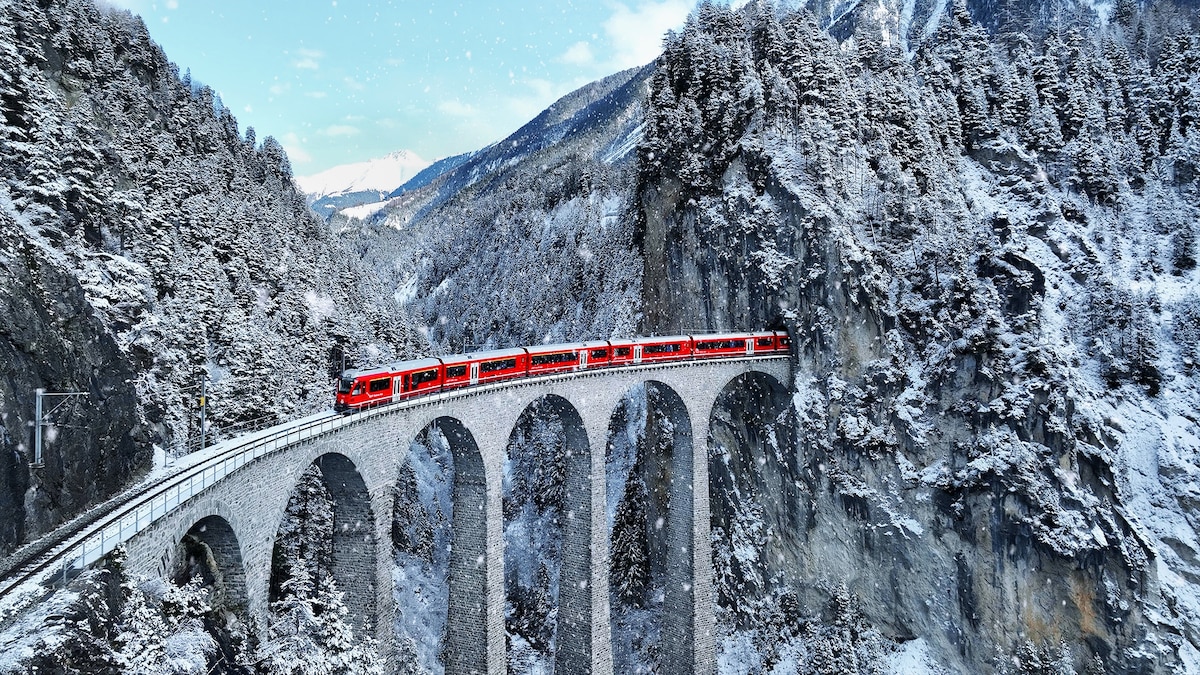
One of the highlights for 2026 is the introduction of a new fleet of modern, comfort-focused trains, though many still prefer the older units with sliding windows for photography. The journey is an “insider’s tip” for those looking to bypass the high-speed Gotthard tunnel in favor of a route that winds past secluded villages where stone campaniles echo through chestnut groves.
Bucolic Bliss: The Appenzeller Bahnen
While the high Alps get the glory, the rolling meadows of eastern Switzerland offer a different kind of magic. The Appenzeller Bahnen, a network of narrow-gauge lines meandering through the Appenzell countryside, provides a “storybook” experience of Swiss life. From the hub of St. Gallen, the train winds past clapboard houses and tidy farms where chickens peck beside flowerbeds and primary-colored villages appear like toys in the landscape.
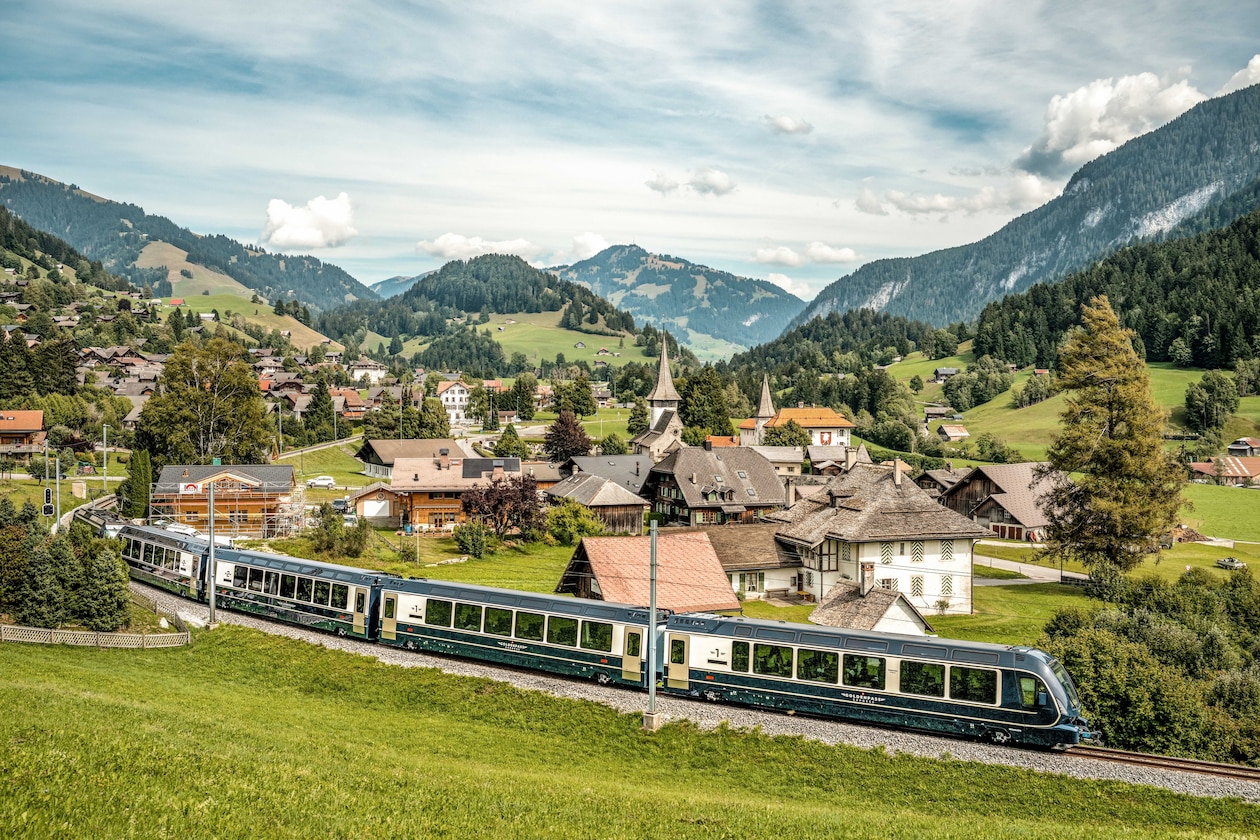
This route is particularly popular in 2026 for its “culinary stops.” Travelers often alight at small, folksy villages to sample the world-famous Appenzeller cheese or the spicy “Biberli” gingerbread. It is a journey that prioritizes the pastoral over the vertical, proving that Switzerland’s beauty is just as potent in its “primary-colored” lowlands as it is on its snow-dusted summits.
The Matterhorn’s Gentle Neighbor: Visp to Zermatt
While most visitors head straight for the Gornergrat, the Matterhorn Gotthard Bahn journey from the sunny riverside town of Visp to the car-free resort of Zermatt is an underrated masterpiece in its own right. Often bypassed as a mere “transfer,” this leg of the Glacier Express route features a gentle climb past terraced vineyards and through narrow, glacier-fed streams.
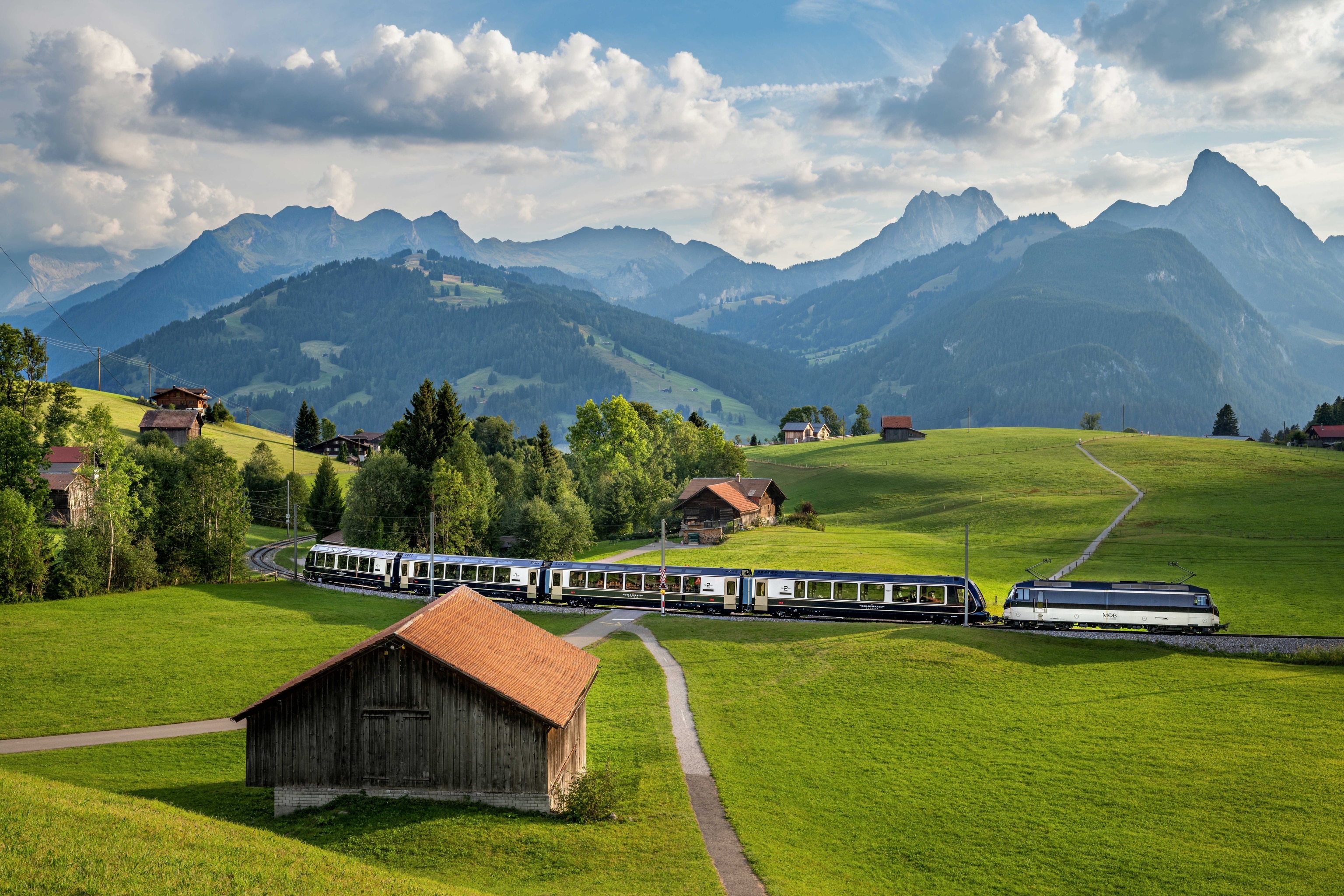
As the train ascends, the chiseled face of the Matterhorn gradually reveals itself, creating a sense of anticipation that a direct flight or car journey can never replicate. In 2026, this route has become a favorite for “eco-conscious” travelers who utilize the Swiss Travel Pass to jump on and off at smaller stations like St. Niklaus or Randa to hike sections of the Europaweg, home to the world’s longest pedestrian suspension bridge.
The Vertical Lifeline: The Stoos Bahn
Engineering enthusiasts in 2026 continue to flock to the Stoos Bahn, the steepest funicular railway in the world. With a near-vertical 110% gradient, the train uses a unique hydraulic system that rotates its barrel-shaped carriages as it climbs, keeping passengers perfectly level even as they ascend the sheer mountainside. Beyond the “sci-fi” look of the train, it serves as a vital lifeline for the car-free mountain village of Stoos.

Once at the top, the reward is a 360-degree panoramic view that spans ten lakes and countless peaks. The Stoos Bahn represents the “gravity-defying” spirit of Swiss rail engineering—a masterpiece that turns a terrifying vertical ascent into a smooth, aerial journey. It is the ultimate example of how, in Switzerland, the train itself is often the destination.