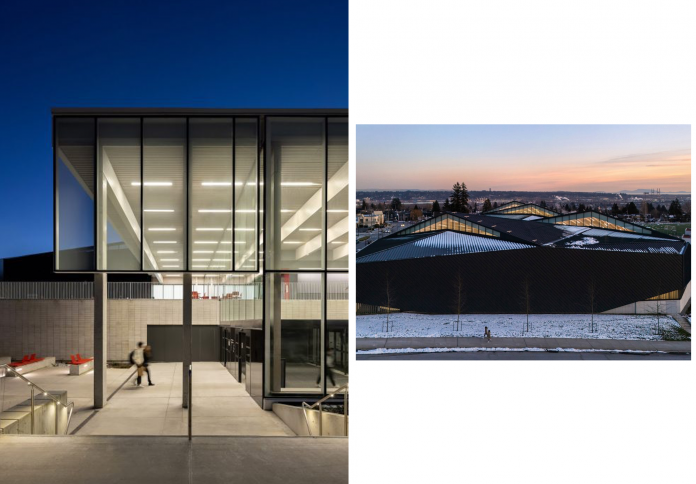
The recently unveiled Rosemary Brown Recreation Centre in Vancouver, designed by HCMA Architecture, transcends the typical model of a municipal leisure facility to establish itself as a vibrant new civic and community hub. Named after the pioneering Jamaican-Canadian politician and activist, the centre is a testament to the power of architecture to embody cultural values, promote accessibility, and foster social connection. The design is characterized by its porous connection to the public realm, a strategic use of materiality to integrate with the surrounding natural environment, and a deeply considered layout that prioritizes inclusive programming for all ages and abilities. The result is a welcoming, light-filled structure that successfully marries high-performance athletic function with thoughtful, human-centric design.
Honoring a Legacy: Identity and Inclusivity
The centre’s naming after Rosemary Brown—the first Black woman to be elected to a Canadian provincial legislature—is central to its architectural and operational identity, imbuing the structure with a social and political purpose.

HCMA Architecture designed the centre to reflect the spirit of its namesake by making inclusivity and accessibility paramount. The interior is deliberately open and legible, ensuring easy navigation for patrons of all abilities. Programming spaces are flexible and diverse, aiming to serve the multi-ethnic, multi-generational community of its suburban Vancouver location. This commitment to social equity is woven into the very fabric of the building, transforming the centre into more than just a place for physical activity; it is a monument to the civic values that Brown championed throughout her career.
Architectural Transparency and Materiality
A core feature of the centre’s design is its use of transparency and its carefully selected palette of materials, which together break down the institutional barriers often associated with large public buildings.

The main façade utilizes extensive glazing to create a strong visual connection between the interior activities—such as the gymnasium and fitness areas—and the exterior public spaces. This architectural transparency serves as an invitation, demystifying the activities within and encouraging passersby to enter. The exterior is clad with natural wood accents, which soften the building’s scale and integrate it harmoniously with the nearby parkland and green spaces. This strategic use of material honesty and openness successfully positions the centre not as a monolithic public facility, but as a light, accessible, and natural extension of the community environment.
The Design for Diverse Programming
The Rosemary Brown Recreation Centre is designed to be a true multi-functional hub, accommodating a wide spectrum of athletic, artistic, and community-based activities within a singular, cohesive structure.

Key features include a large double-height gymnasium, multi-purpose activity rooms, dedicated fitness and conditioning areas, and spaces for community gatherings. The internal layout is organized to allow these diverse uses to operate simultaneously without interference, utilizing flexible walls and operable partitions to adapt the spaces as needed throughout the day. This emphasis on programmatic flexibility ensures the centre maximizes its utility, offering everything from youth basketball leagues and senior fitness classes to local art workshops and community meeting spaces, effectively catering to the full demographic breadth of the neighbourhood.
Sustainability and Environmental Integration
In line with Vancouver’s commitment to green building standards, the design of the Rosemary Brown Recreation Centre incorporates several key strategies for sustainability and low environmental impact.

The building is optimized for natural light and ventilation wherever possible, reducing reliance on artificial lighting and mechanical cooling. The structure utilizes high-performance glazing and an insulated envelope to manage thermal loads efficiently. Furthermore, the landscape design actively integrates the building into the surrounding environment, enhancing biodiversity and managing stormwater runoff naturally. This approach ensures the centre is a high-performing asset that respects its immediate ecological context while minimizing its long-term operational costs and carbon footprint.