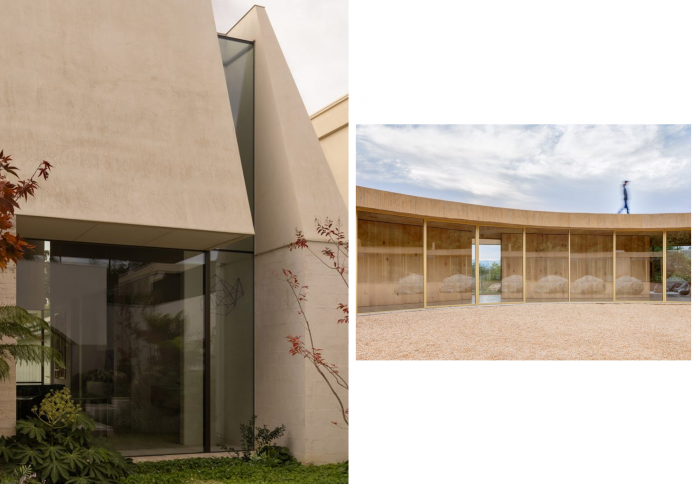
November 2025’s curated selection of top residential projects by Dezeen offered a captivating exploration of global architectural trends, showcasing houses that prioritized site-specific solutions, material experimentation, and the integration of interior life with the surrounding landscape. The collection featured homes ranging from secluded, minimalist retreats carved into rugged terrain to light-filled, urban sanctuaries that cleverly maximize space and connection to nature. This array of design excellence affirmed that contemporary residential architecture is defined by an ongoing, dedicated pursuit of authenticity, sustainability, and emotional resonance, proving that the concept of “home” is as varied and complex as the clients and environments they serve.
The Return to Material Honesty: Concrete and Timber
A recurring theme among the most compelling houses of the month was a commitment to material honesty, with architects celebrating the raw textures and structural integrity of key building components like exposed concrete and natural timber.

Several projects utilized board-marked concrete, which retains the texture of the wooden formwork used during its pouring. This finish gives the material an unexpected warmth and tactile quality, mitigating the typical coldness of concrete while emphasizing the material’s structural integrity. Similarly, the strategic use of exposed timber frames or cladding provided a natural contrast to harder materials. The use of these raw elements not only connects the buildings to their immediate environment but also reflects a broader movement toward sustainable sourcing and a desire for structures that communicate their construction story without relying on superficial finishes.
Site-Specific Design: Responding to Context
The featured houses demonstrated exceptional sensitivity to their specific geographical and climatic contexts, confirming that the best architecture is born from an intimate dialogue with the site.

One notable house, for example, was partially embedded into a rugged hillside, using the earth as insulation while framing panoramic views through carefully placed windows. This design strategy was a direct response to harsh weather conditions, offering both protection and a dramatic sense of seclusion. Conversely, an urban dwelling may have utilized vertical gardens or central, enclosed courtyards to create private oases in densely populated areas. These solutions illustrate a dedication to maximizing the assets of the land—whether it be natural light, insulation from the earth, or access to private green space—rather than imposing a pre-determined structure onto the environment.
Blurring Boundaries: Seamless Indoor-Outdoor Flow
A hallmark of contemporary luxury residential design, and a strong feature in November’s selection, was the extensive use of glazing and operable walls to create a fluid, unbroken relationship between the interior spaces and the exterior landscape.

Architects employed massive sliding glass panels and hidden frames to allow entire walls to disappear, transforming living areas into covered outdoor patios or open pavilions. This strategy is driven by a desire for biophilic design, connecting occupants more closely with nature. In houses situated in temperate climates, this feature maximized natural ventilation and light, making the interior spaces feel much larger. The integration often included extensions of the interior materiality—such as the continuation of stone flooring from the living room out onto the deck—to further emphasize the seamless transition.
Innovative Spatial Planning: Verticality and Void
Many of the highlighted projects showcased innovative approaches to spatial organization, particularly through the use of voids, double-height ceilings, and split-level arrangements to enhance the experience of light and volume within the homes.

Architects often incorporated central atria or open stairwells that acted as light chimneys, drawing daylight deep into the core of the structure and fostering visual connections between different floors. These strategic voids prevented the homes from feeling segmented or dark, particularly in deep or narrow urban plots. The use of split-level flooring added subtle complexity to the circulation path, defining different functional zones—like kitchen, dining, and relaxation—without resorting to restrictive physical walls. This spatial innovation prioritized an open-plan lifestyle while maintaining a clear sense of order and intimate scale within the greater volume of the house.