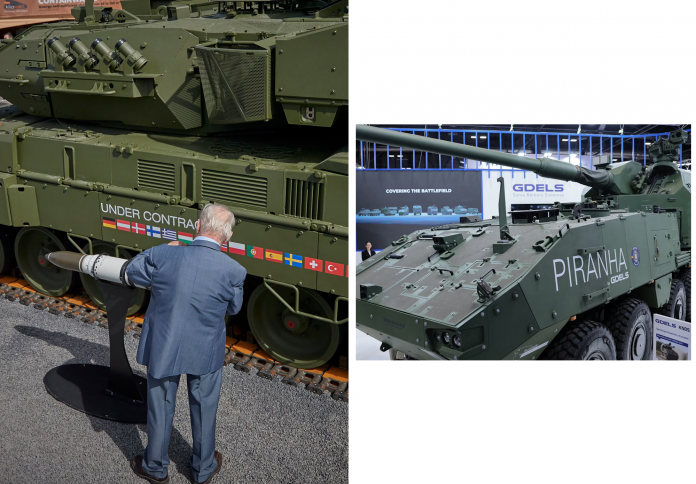
As Europe navigates its most significant military buildup since the Cold War, the traditional walls of “state secrets” are beginning to show cracks—by design. Under the ambitious “Readiness 2030” and “REARM Europe” frameworks, the continent is racing to modernize its defense industrial base to the tune of nearly €800 billion. However, a critical hurdle remains: the rigid, siloed secrecy of the 20th century is incompatible with the lightning-fast, collaborative nature of 21st-century innovation. To compete with emerging threats and integrate disruptive tech like AI and autonomous drones, defense firms must adopt a “flexible secrecy” model. This approach moves away from blanket classification toward a dynamic, trust-based system that allows for cross-border cooperation without compromising national security.
The Innovation Paradox: Secrecy vs. Speed
For decades, the defense sector has operated under a “need-to-know” philosophy that kept innovation locked within national borders and single companies. While this protected sensitive data, it also created massive inefficiencies, leading to a fragmented European market where different nations developed redundant, non-interoperable systems. In 2025, the urgency of the conflict in Ukraine has exposed the cost of this isolation: the inability to rapidly scale production and integrate diverse technologies across allied forces.
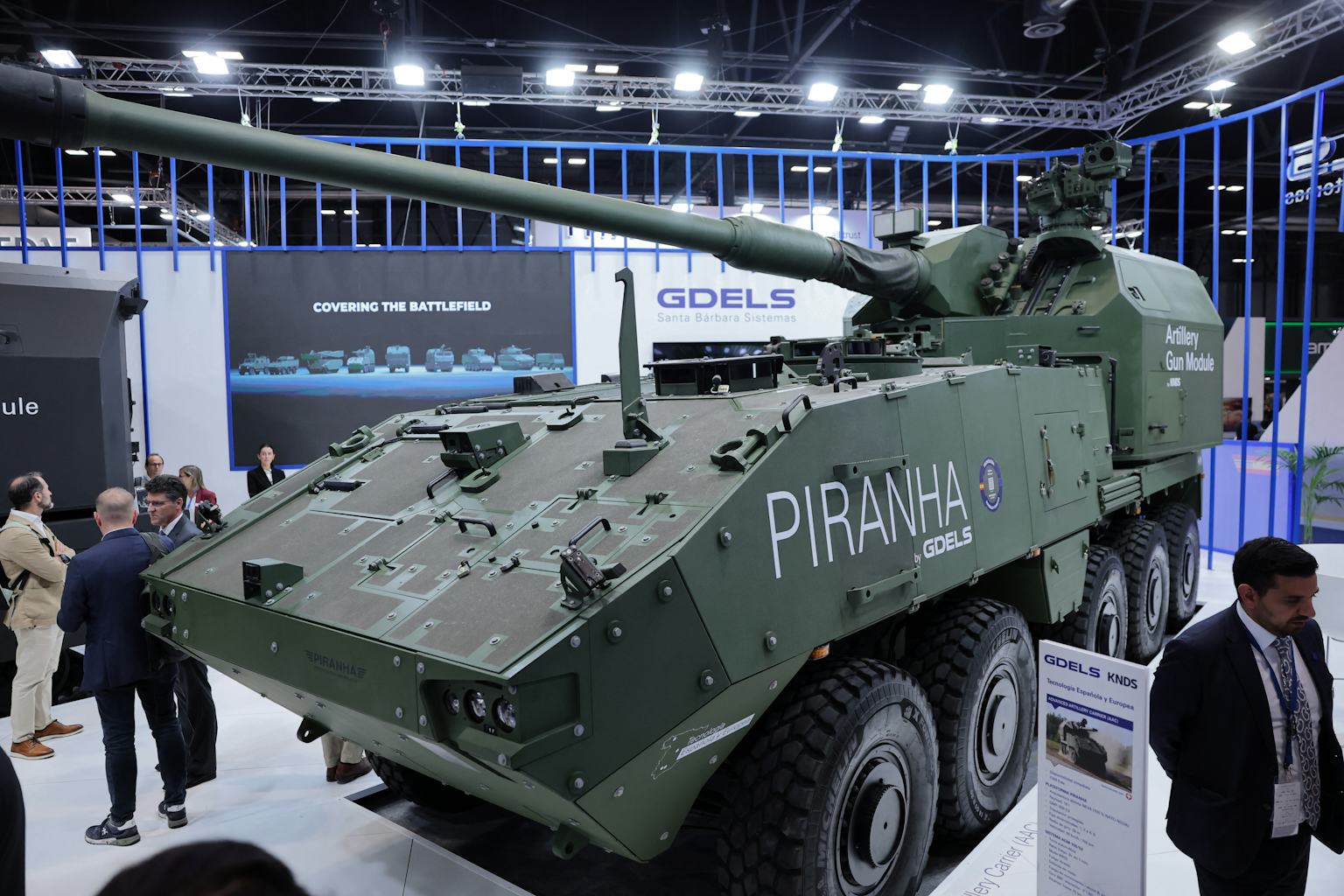
“Flexible secrecy” proposes a shift from static rules to practice-based strategies. By managing secrecy dynamically—sharing more as trust and partnership maturity grow—firms can collaborate on “open architecture” systems. This allows for modularity, where a drone developed in Estonia can seamlessly integrate with software from a French startup. In this new era, the most secure defense is not the one hidden in a vault, but the one that iterates faster than the adversary can adapt.
Bridging the Civil-Military Divide
A major driver of European rearmament is the “spin-in” of civilian technologies—specifically in AI, quantum computing, and dual-use software. Most of today’s cutting-edge innovation happens in the private commercial sector, where transparency and open-source collaboration are the norm. Strict, traditional defense secrecy often acts as a deterrent for high-tech startups and SMEs that lack the bureaucratic infrastructure to handle high-level security clearances.

To harness this “deep-tech” ecosystem, defense institutions are experimenting with tiered secrecy. This allows civilian firms to work on the unclassified components of a system while leaving the highly sensitive “war-fighting” elements to specialized secure environments. By lowering the barrier to entry, Europe can tap into a wider pool of talent and ensure that its military capabilities are fueled by the same rapid innovation cycles that drive the global tech economy.
SINA Cloud and the Digital Front Line
The transition to flexible secrecy is being underpinned by new digital infrastructures. One of the standout highlights of 2025 has been the deployment of the SINA Cloud, the first cloud solution approved for German national “SECRET” (GEHEIM) data. This technology allows for true collaboration in a secure environment, separating data from applications so that multiple partners can work on a single project without compromising the core security of the host nation.

This “decentralized command and control” approach is essential for modern battlefield operations, where real-time data from sensors, drones, and satellites must be shared across security domains. By using AI to analyze government notifications and battlefield intelligence, European firms can now identify capability gaps and develop solutions in weeks rather than years. The SINA ecosystem represents the “digital workplace of tomorrow”—interconnected, smart, and ready for the realities of multi-domain warfare.
The Governance of Rearmament: Procurement Reform
Flexible secrecy requires more than just better software; it requires a total overhaul of procurement laws. The 2025 Procurement Act has introduced key flexibilities that allow defense technology providers to adapt solutions or secure urgent awards more swiftly. Governments are moving away from massive, long-cycle programs in favor of “Commercial Solutions Opening” (CSO) vehicles, which accelerate the transition of prototypes into full-scale production.
Ultimately, the goal of “REARM Europe” is to create a unified, competitive defense market. By reducing the bias for domestic purchases and promoting pan-European projects—especially in shared infrastructure like satellite systems—the continent can achieve the scale needed to rival the US and China. As Europe builds its independent deterrence capability, the success of its rearmament will depend on its ability to be as open as it is secure, proving that in 2026, the best-kept secret is a perfectly coordinated alliance.