From mindfulness meditation in Silicon Valley to emotional detox retreats in Thailand, mental wellness is no longer considered a luxury — it’s becoming an essential part of the modern global lifestyle. The world is entering a new era where healing the mind is valued just as much as physical health, and people are learning to listen to themselves as a civilized and conscious habit.
When the world starts becoming fatigued
For many years, success was defined by productivity, speed, and constant busyness. But after the global pandemic, millions of people began confronting emotions they had long ignored: anxiety, stress, and burnout.
According to a report by the World Health Organization (WHO), global rates of anxiety and depression rose by over 25% in the first year of the COVID-19 pandemic (WHO, 2022). In the United States, one in five adults is diagnosed with a mental health condition each year (National Alliance on Mental Illness, 2023).
Meditation, breathing, and mindfulness – Necessary slow beats in the bustling grind of life
In a world constantly filled with work, meditation, deep breathing, and mindfulness have gradually become indispensable habits. These methods are no longer foreign; they have become vital tools for maintaining mental balance amidst the fast-paced rhythm of life.
According to a survey by The National Business Group on Health (2022), 92% of major corporations in the U.S. have integrated mental wellness programs into their employee benefits. In Japan, since 2021, large corporations like Toyota and Panasonic have incorporated mindfulness meditation into their training programs to help reduce stress and improve work performance (Nikkei Asia, 2022). In Southeast Asia, retreat centers in Thailand, Bali, and Vietnam have reported a 2-3 fold increase in bookings compared to pre-pandemic times (Forbes Asia, 2023).
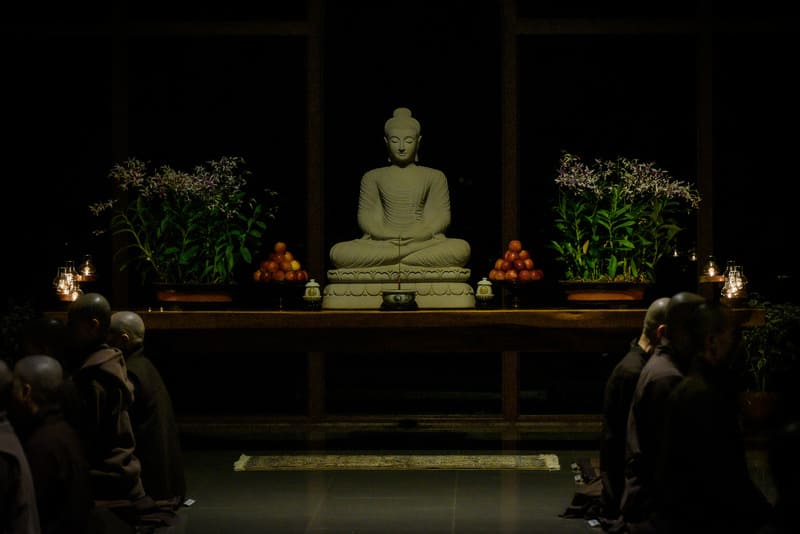
As life’s pressures become the norm, finding moments of stillness to reconnect with oneself through meditation, breathing, or mindfulness is becoming an essential skill for maintaining mental health in the modern world.
Not just a flash in the pan
Mental health care is increasingly being recognized as a key component of national strategy in many developed countries—especially since the United Nations officially designated World Mental Health Day (October 10) as an annual global call to action.
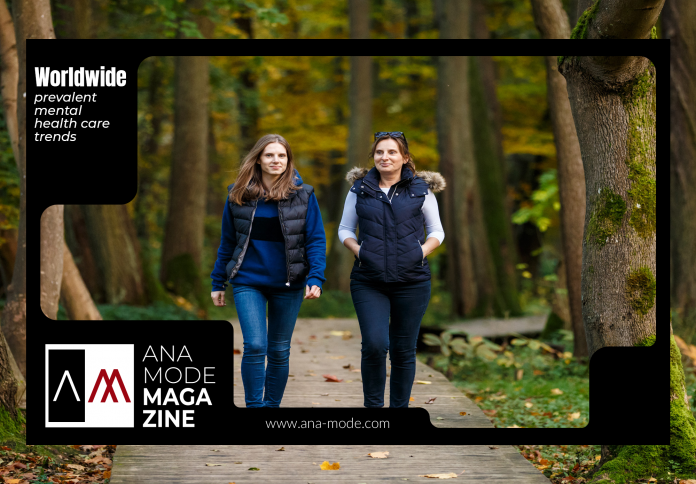
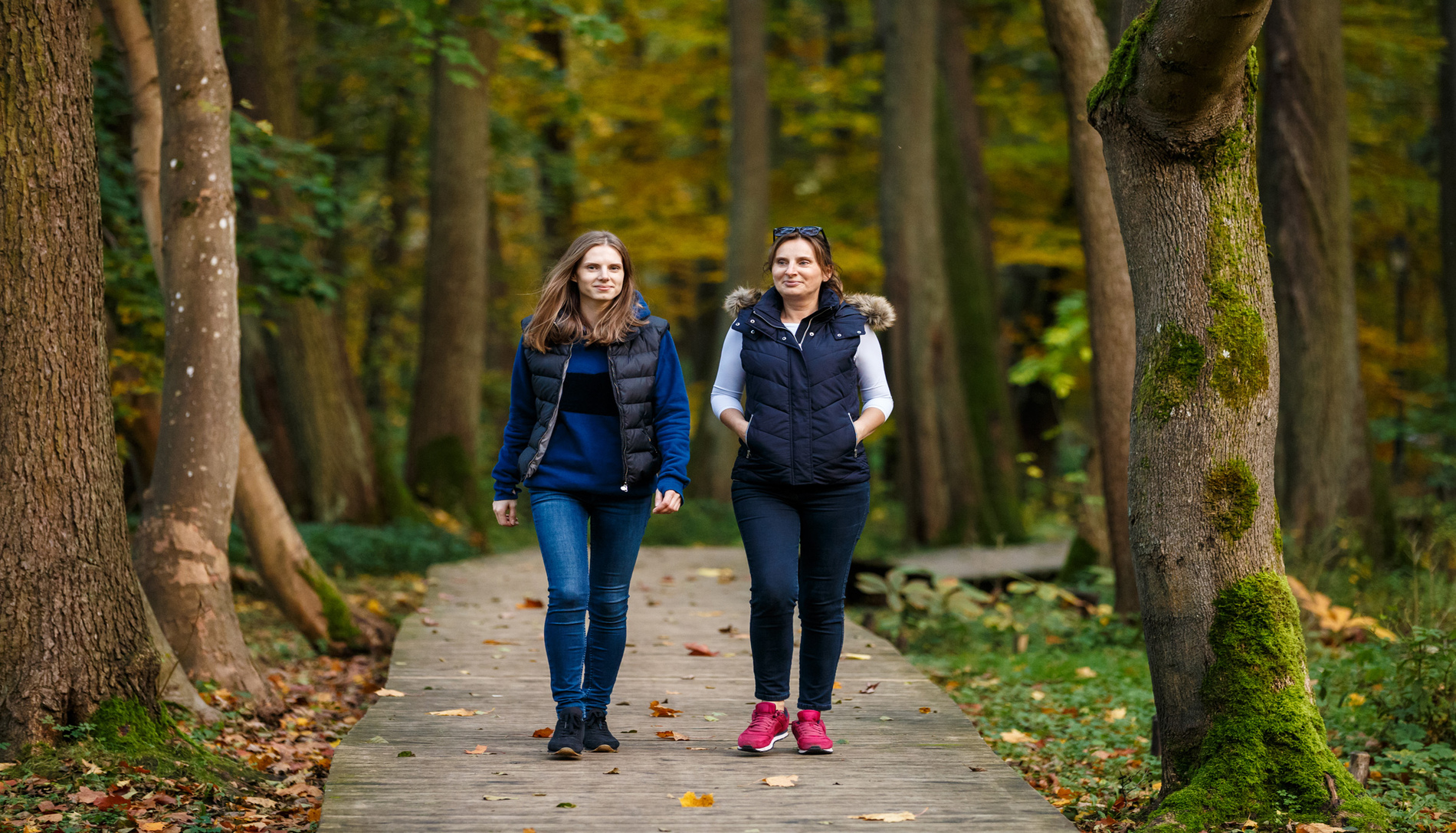
In the UK, the National Health Service (NHS) has launched walking therapy programs in several urban districts, combining light physical activity with outdoor talk therapy to relieve stress. Meanwhile in the U.S., over 90% of medium and large businesses have now integrated mental wellness programs into their employee benefits. Industry giants like Google, Microsoft, and Deloitte even offer “mental days off” to help staff reset and recharge. In Vietnam, regular mental health workshops are held by institutions like Vietnam National University and VinUni, with growing involvement from the private sector and mental health professionals. All these efforts point to a long-term, well-researched shift—one that goes far beyond a spontaneous or short-lived trend.
Journey of spreading the message of self-love
According to a 2023 survey by the World Economic Forum (WEF), 65% of workers worldwide consider mental health to be a top factor affecting both their job performance and overall quality of life. Once viewed as a private matter to be kept quiet, mental well-being is now openly discussed across corporate culture, education systems, and everyday life.
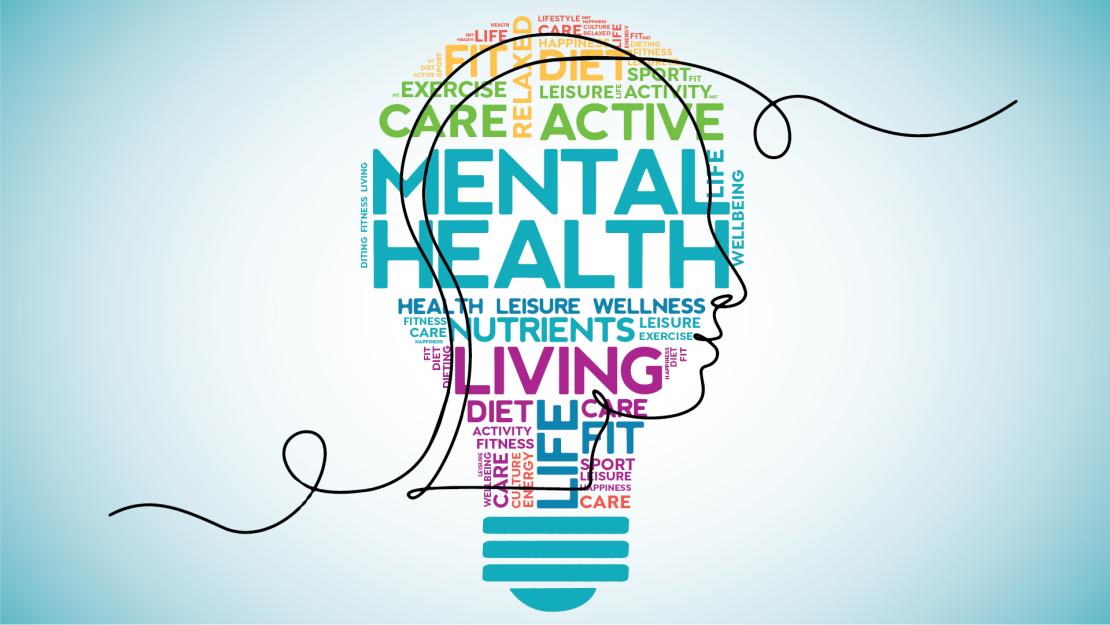
Especially among younger generations like Gen Z and Millennials, mental wellness is no longer seen as a sign of weakness but rather as a marker of maturity and self-love. They’re willing to invest in therapy, personal development courses, or even just quiet spaces to reconnect with themselves amid the chaos of modern life.
Never before has mental well-being been valued as highly as it is today. In a world that’s constantly loud and fast-paced, the urge to tune into one’s inner world grows stronger. Mental health is no longer a luxury—it’s becoming the new foundation for sustainable living, both for individuals and the communities they’re part of. It’s not just a trend; it’s a quiet yet powerful reminder: to go far, you must first return to yourself.
May | Cameron Truong