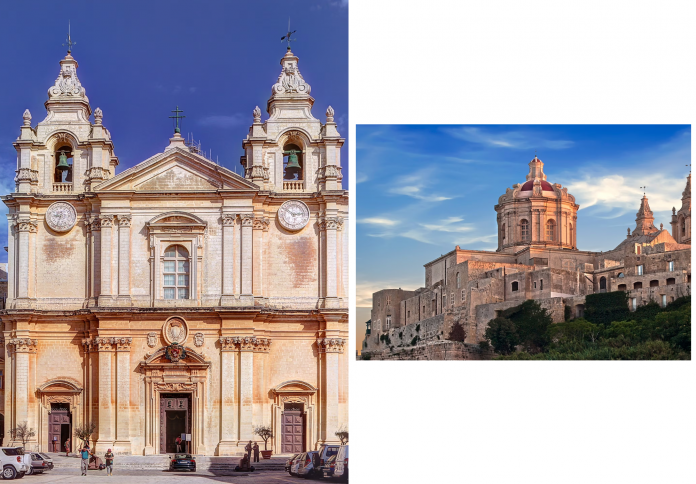
Perched atop a limestone plateau in the heart of Malta, the fortified city of Mdina stands as a living testament to four millennia of Mediterranean history. Known as the “Silent City,” this medieval enclave of honey-hued stone and narrow, winding alleys offers a rare escape from the frantic pace of the 21st century. Once the noble capital of the island, Mdina is a place where the air feels thick with the shadows of the Phoenicians, Romans, and the Knights of St. John. As we enter 2026, Mdina has refined its balance between a historical monument and a boutique cultural hub. With its strict limits on vehicular traffic and a permanent population of fewer than 300 residents, the city remains one of Europe’s most atmospheric destinations, inviting travelers to lose themselves in a labyrinth of Baroque architecture and golden-hour vistas.
A Citadel Carved in Limestone and Legend
To enter Mdina is to cross a threshold into the past. The city’s main gateway, the Mdina Gate, is a Baroque masterpiece that fans of cinema may recognize as the entrance to King’s Landing from Game of Thrones. Once inside, the layout reveals a strategic defensive design: the streets are intentionally narrow and curved to prevent archers from having a clear line of sight and to create pockets of shade during the intense Maltese summers. The architecture is a palimpsest of styles, where Norman arches sit alongside grand Baroque facades, all unified by the warm, glowing hue of the local Globigerina limestone.
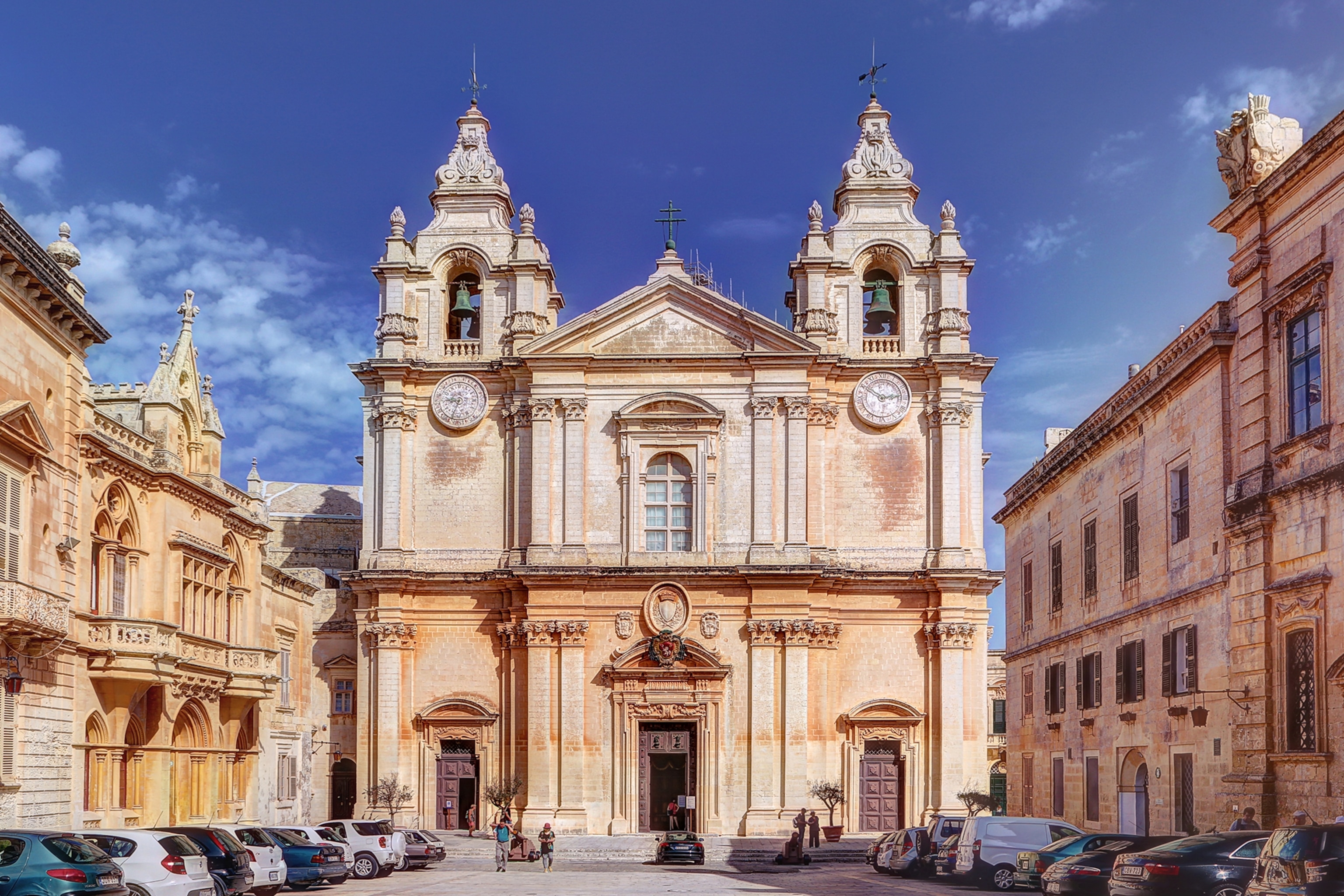
The spiritual and architectural heart of the city is St. Paul’s Cathedral. Built on the site where the Roman governor Publius is said to have met St. Paul after his shipwreck in 60 AD, the current structure is a marvel of the 17th-century Baroque era. Its floor is paved with intricate, colorful marble tombstones of noble families and high-ranking clergy, while its twin clock towers—one showing the correct time and the other intentionally “deceiving the devil”—stand as silent sentinels over the city’s central piazza.
The Nobility of the “Città Notabile”
Mdina’s history is inextricably linked to Malta’s aristocratic families, many of whom still reside within the city walls in ancestral palazzos. For a glimpse into this secluded world, a visit to Palazzo Falson is essential. Built in the 13th century, it is the second-oldest building in Mdina and houses a staggering collection of antiques, from Oriental rugs to rare books and historical weaponry. Walking through its courtyards feels like stepping into a private museum, offering a sense of the “Noble City” (Città Notabile) status that Mdina enjoyed for centuries.
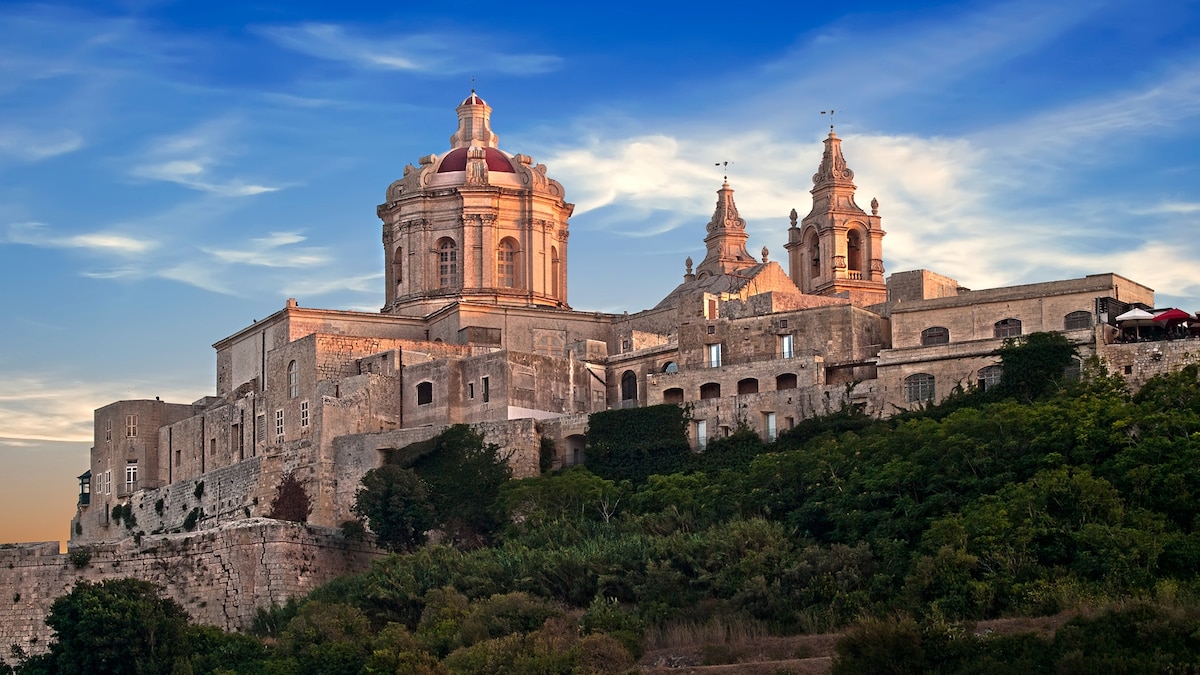
Modern Mdina has leveraged this noble heritage to create a sophisticated visitor experience. Many historic buildings now house boutique guesthouses and high-end galleries. The Palazzo de Piro, for instance, has been transformed into a multi-functional cultural center where travelers can enjoy a coffee while overlooking the island’s rolling landscape from the bastions. This fusion of private heritage and public access ensures that Mdina remains a vibrant, albeit quiet, part of the Maltese identity rather than a static museum piece.
The Sensory Magic of the “Silent City”
The true magic of Mdina reveals itself as the sun begins to set. As the day-trippers depart for the coastal resorts, the city earns its “Silent City” moniker. The sound of footsteps echoing on the cobblestones and the distant chime of church bells are often the only disturbances to the peace. The Bastion Viewpoint offers a 360-degree panorama of Malta, stretching all the way to the Rotunda of Mosta and the Mediterranean Sea beyond. On a clear 2026 evening, the island glitters below like a carpet of lights, contrasting with the dark, ancient stillness of the citadel.
Gastronomy in Mdina is an exercise in elegance and atmosphere. Restaurants like The de Mondion, tucked away in the 17th-century walls of the Xara Palace, offer Michelin-starred dining with views that are arguably the best on the island. For a more casual but equally legendary experience, Fontanella Tea Garden remains a pilgrimage site for its famous cakes and its position atop the bastions. Here, the sensory experience of Mdina comes full circle: the smell of fresh jasmine, the taste of traditional Maltese pastry, and the sight of the sun dipping behind the horizon.
Preserving the Silence for 2026
As tourism in Malta reaches new peaks, Mdina’s preservation strategy has become a model for sustainable travel. In 2026, the city continues to enforce strict noise regulations and limited commercial activity to protect its unique character. The “Mdina Glass” tradition—once a local craft—is now a world-renowned brand, and visitors can still watch artisans at the nearby Ta’ Qali Crafts Village blowing the vibrant, swirling glass that mimics the colors of the Mediterranean.
Whether you are exploring the chilling depths of the Mdina Dungeons or simply sitting on a stone bench in a forgotten alleyway, Mdina rewards those who move slowly. It is a city that doesn’t demand your attention with neon lights or loud attractions; instead, it whispers its history through the cracks in its walls and the golden light of its piazzas. In an increasingly noisy world, the “Silent City” remains a necessary sanctuary of peace, beauty, and enduring stone.