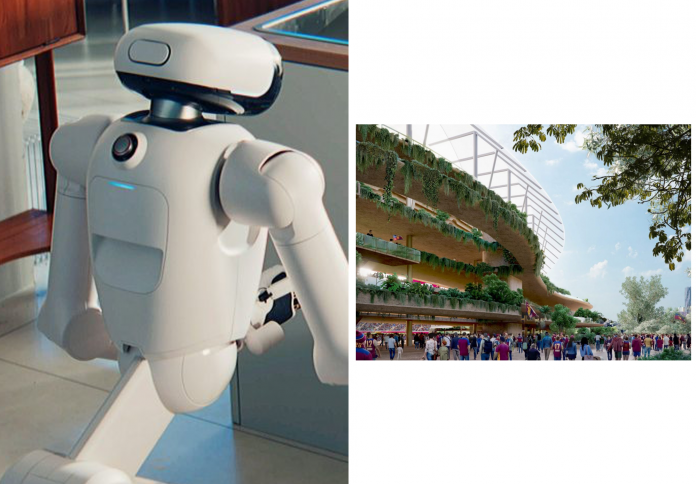
As the global eyes of the sporting world begin to pivot toward the southern hemisphere, the architectural blueprint for the Brisbane 2032 Olympic and Paralympic Games has officially taken center stage. In early January 2026, a powerhouse collaboration between two of Australia’s most venerable design firms—Cox Architecture and Hassell—unveiled the conceptual designs for the primary Olympic Stadium. The project, which serves as the centerpiece of a wider urban regeneration strategy, is more than just a venue; it is a declaration of Brisbane’s arrival as a global metropolis. Designed to reflect the subtropical vibrancy of Queensland, the arena is being hailed as a “climate-positive” landmark that seeks to set a new standard for sustainable mega-event infrastructure. In a year defined by bold architectural gestures, the Brisbane Olympic Stadium stands as a symbol of optimism, blending cutting-edge engineering with a deep respect for the unique landscape of the Sunshine State.
A Subtropical Sanctuary for Sport
The design philosophy of the new Brisbane Olympic Stadium is rooted in the concept of “porous architecture.” Unlike the enclosed, fortress-like arenas of previous decades, the Cox and Hassell proposal prioritizes airflow, natural light, and a seamless connection to the outdoors. The stadium features a striking, lightweight canopy that appears to float above the seating bowl, providing shade while allowing the subtropical breeze to circulate freely. This “breathable” design is not just an aesthetic choice; it is a functional response to Brisbane’s warm climate, reducing the reliance on mechanical cooling systems and ensuring a comfortable experience for spectators and athletes alike.
Visually, the stadium is intended to mirror the natural beauty of the Brisbane River and the surrounding parklands. The architects have integrated vast green terraces and vertical gardens into the structure, creating a “stadium in a park” feel. By utilizing locally sourced materials and a color palette inspired by the Queensland landscape, the design seeks to ground the massive structure in its specific geographic context. This approach ensures that the stadium feels like a permanent part of the city’s identity rather than a temporary imposition, fostering a sense of civic pride that will endure long after the final medal has been awarded.
The Legacy of ‘Climate-Positive’ Design
One of the most ambitious claims of the 2026 proposal is the stadium’s “climate-positive” status. As the International Olympic Committee (IOC) increasingly prioritizes sustainability, the Brisbane team has integrated several groundbreaking environmental features into the build. The stadium’s roof is designed to double as a massive solar array, generating more power than the facility consumes during peak events. Additionally, the project includes an advanced water harvesting and filtration system that will supply non-potable water to the surrounding precinct’s parklands, creating a circular resource loop that benefits the entire urban ecosystem.
The construction process itself is being audited for its carbon footprint, with a focus on “low-carbon” concrete and recycled steel. The architects have also emphasized the importance of “adaptive reuse,” ensuring that the stadium can be easily reconfigured for smaller-scale community events and professional sporting leagues in the post-Olympic era. This commitment to long-term utility is a direct response to the “white elephant” criticisms that have plagued previous Olympic host cities. In Brisbane, the stadium is being built not just for seventeen days of glory, but for fifty years of community service.
Urban Catalyst and Connectivity
Beyond the stadium walls, the project is serving as a catalyst for a massive overhaul of Brisbane’s transport and hospitality infrastructure. The design is meticulously integrated with the city’s Cross River Rail and the new “Brisbane Metro” bus system, ensuring that up to 80% of fans can reach the venue via public transport. The surrounding precinct—once an underutilized industrial zone—is being transformed into a vibrant mixed-use district featuring residential apartments, tech hubs, and high-end dining. This “Olympic Village” legacy is designed to attract international investment and talent, further fueling Brisbane’s economic boom.
However, the scale of the project has not been without its detractors. Critics have raised concerns regarding the escalating costs of such a landmark build and the potential displacement of local businesses during the multi-year construction phase. In response, the Queensland government and the design team have pledged a “community-first” approach, including the creation of extensive public plazas and recreational facilities that will be accessible to residents year-round. The success of the Brisbane Olympic Stadium will ultimately be measured by its ability to balance these local needs with the global expectations of the Olympic brand.
A New Chapter for the Olympic Movement
As 2026 progresses, the Brisbane Olympic Stadium is being positioned as a global case study for the “New Norm” of Olympic hosting. It represents a shift away from excessive spectacle and toward meaningful, sustainable urban development. By choosing local architects who understand the nuances of the Queensland environment, the organizing committee has ensured that the 2032 Games will have a distinct, Australian soul. The arena is a physical manifestation of a city that is confident in its future, ready to welcome the world with a design that is as warm and inviting as the people of Brisbane themselves.
Ultimately, the Cox and Hassell vision is a reminder that the best architecture does not just house events; it shapes the way we experience our cities. As the foundation stones are laid and the silhouette begins to rise against the Brisbane skyline, the stadium stands as a beacon of what is possible when sustainability and world-class design converge. The “Golden Arena” is coming, and it promises to be a masterpiece of modern sport and engineering.