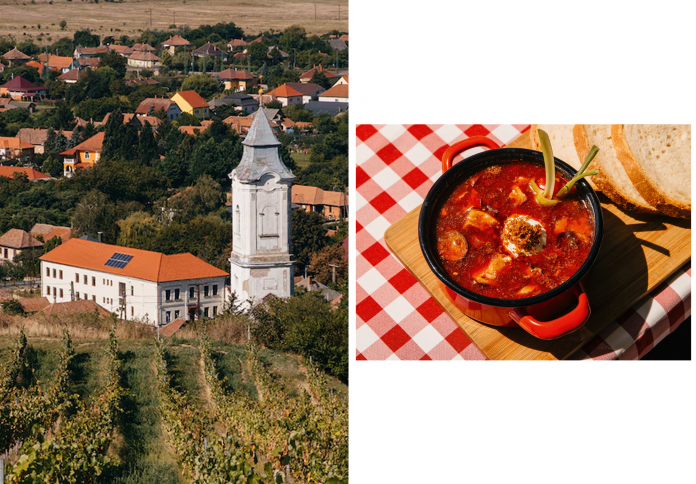
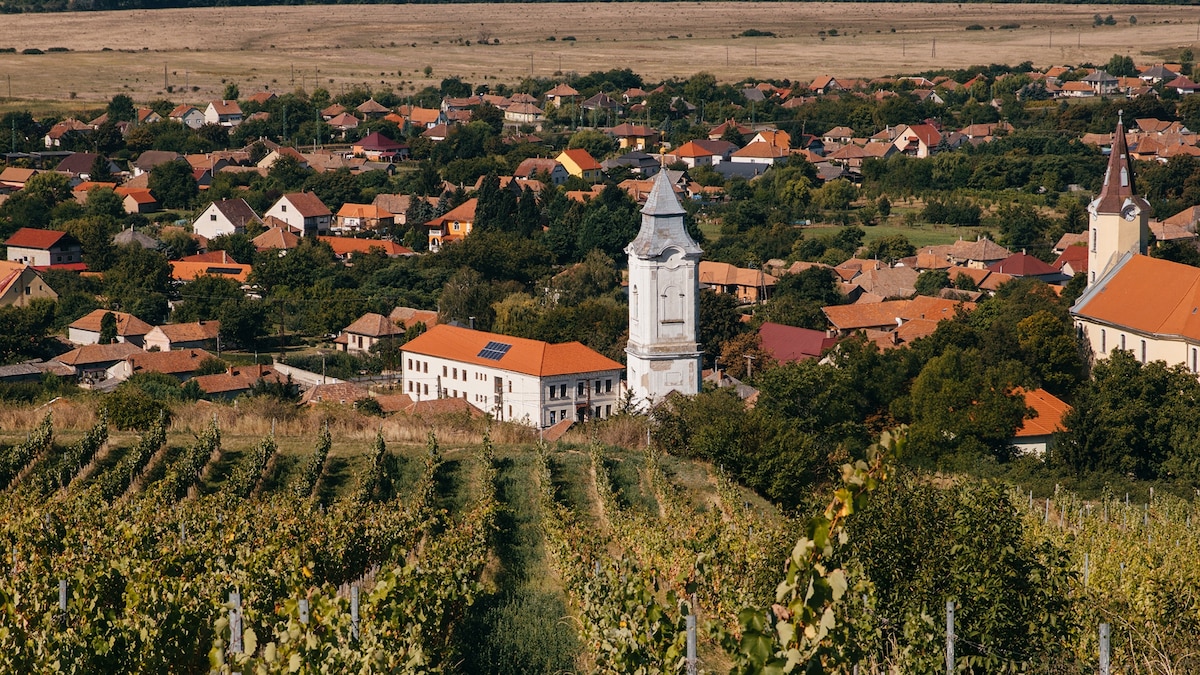
In the rolling foothills of the Zemplén Mountains in northeastern Hungary, a golden revolution is underway. Tokaj, the world’s first official walled wine region and a UNESCO World Heritage site, is shedding its image as a destination solely for sweet wine connoisseurs to become a holistic capital of modern European gastronomy. Known famously as the source of “the wine of kings and the king of wines,” Tokaj has spent the last few years reinventing itself through a surge of boutique luxury hotels, avant-garde bistros, and a newfound focus on dry, mineral-forward white wines. As we move into 2026, Tokaj offers a rare travel trifecta: deep historical roots, a volcanic terroir that produces some of the most complex flavors on Earth, and a sophisticated, contemporary food scene that finally rivals the legendary quality of its cellars.
The Volcanic Soul of Hungarian Viticulture
To understand Tokaj is to understand its unique geology. Millions of years of volcanic activity have left a complex tapestry of tuffs, loess, and rhyolite, which impart a distinct, vibrating minerality to the local Furmint and Hárslevelű grapes. While the region is historically celebrated for Tokaji Aszú—a luscious sweet wine created through the “noble rot” of botrytis—the 2026 vintage highlights the global rise of dry Furmint. These wines, often compared to premium Chablis or Riesling, are the secret weapon of the region’s modern wine lists, offering high acidity and saline notes that pair perfectly with contemporary European cuisine.
The experience of tasting in Tokaj remains atmospheric and deeply subterranean. Many of the region’s cellars, carved directly into volcanic rock, date back centuries and are covered in a soft, grey “noble mold” (Cladosporium cellare) that regulates humidity and purifies the air. Walking through the labyrinthine tunnels of the Rákóczi Cellar or the Oremus estate, travelers aren’t just sampling wine; they are inhaling the literal history of a region that has supplied the royal tables of Louis XIV and Peter the Great.
A Culinary Renaissance in the Countryside
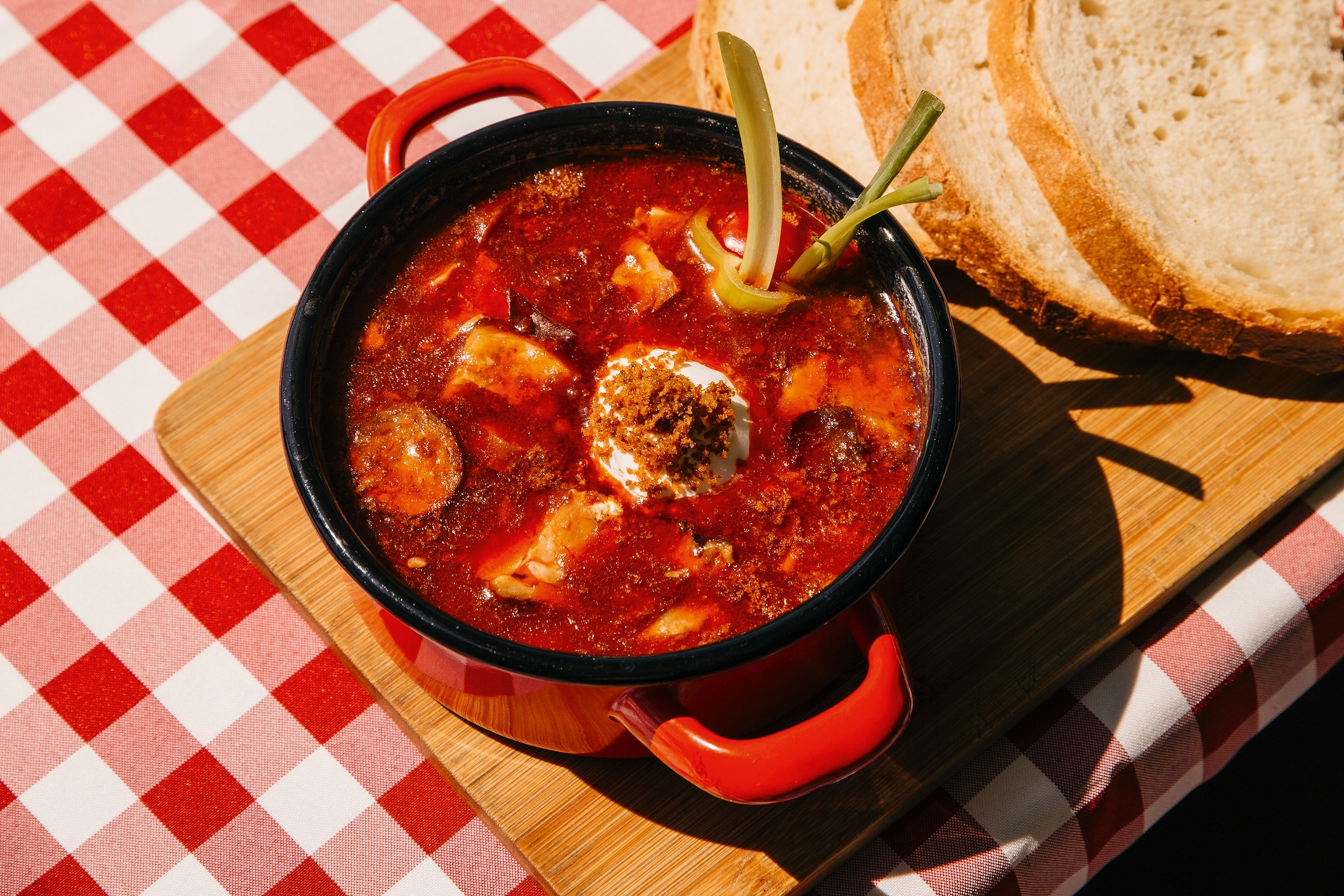
The most significant change in Tokaj over the past decade is the shift in its dining landscape. No longer restricted to rustic gulyás (goulash), the region is now home to a sophisticated network of “farm-to-glass” eateries. In the village of Mád—the intellectual heart of the region—restaurants like Percze and Anyukám Mondta are leading the charge. These establishments focus on hyper-local ingredients, sourcing Zemplén forest mushrooms, Mangalica pork, and artisan cheeses from nearby valleys to create dishes that are as visually stunning as they are delicious.
This culinary evolution is inextricably linked to the wine. Chefs in Tokaj work in close collaboration with winemakers to create pairings that challenge the status quo. For instance, the traditional pairing of sweet Aszú with foie gras remains a staple, but experimental menus now feature late-harvest wines paired with spicy Asian-influenced dishes or aged dry Furmints served with delicate freshwater trout. This dialogue between the kitchen and the vineyard has elevated Tokaj into a world-class destination for serious foodies.
Slow Travel and Architectural Heritage
Tokaj’s charm lies in its “slow travel” pace. The region is a patchwork of 27 picturesque villages, each with its own character. A visit to Bodrogkeresztúr offers a glimpse into the Jewish heritage of the region, including the tomb of the famous miracle-working rabbi, which draws thousands of pilgrims annually. Meanwhile, the town of Tokaj itself, located at the confluence of the Tisza and Bodrog rivers, serves as a bustling hub with its renewed main square and the state-of-the-art Tokaj Museum, which uses interactive displays to tell the story of the region’s viticultural heritage.
The architectural landscape is also seeing a modern upgrade. A new generation of “design wineries” has emerged, blending minimalist glass and steel with traditional stone. Wineries such as Sauska and Disznókő are as much a feast for the eyes as the palate, offering panoramic terraces where visitors can watch the sunset over the vineyards. These modern structures represent the confidence of a region that honors its past while leaning aggressively into a sustainable and stylish future.
The Future of the Golden Slope
As Tokaj prepares for the 2026 harvest, the focus has shifted toward environmental sustainability and the preservation of its microclimate. The Bodrog river, known for the morning mists that facilitate the noble rot, is now the focus of eco-tourism initiatives, including birdwatching and paddle-boarding. Travelers are increasingly seeking out organic and biodynamic producers, such as Samuel Tinon or Abraham Winery, who are pioneering low-intervention techniques to capture the purest expression of the volcanic soil.
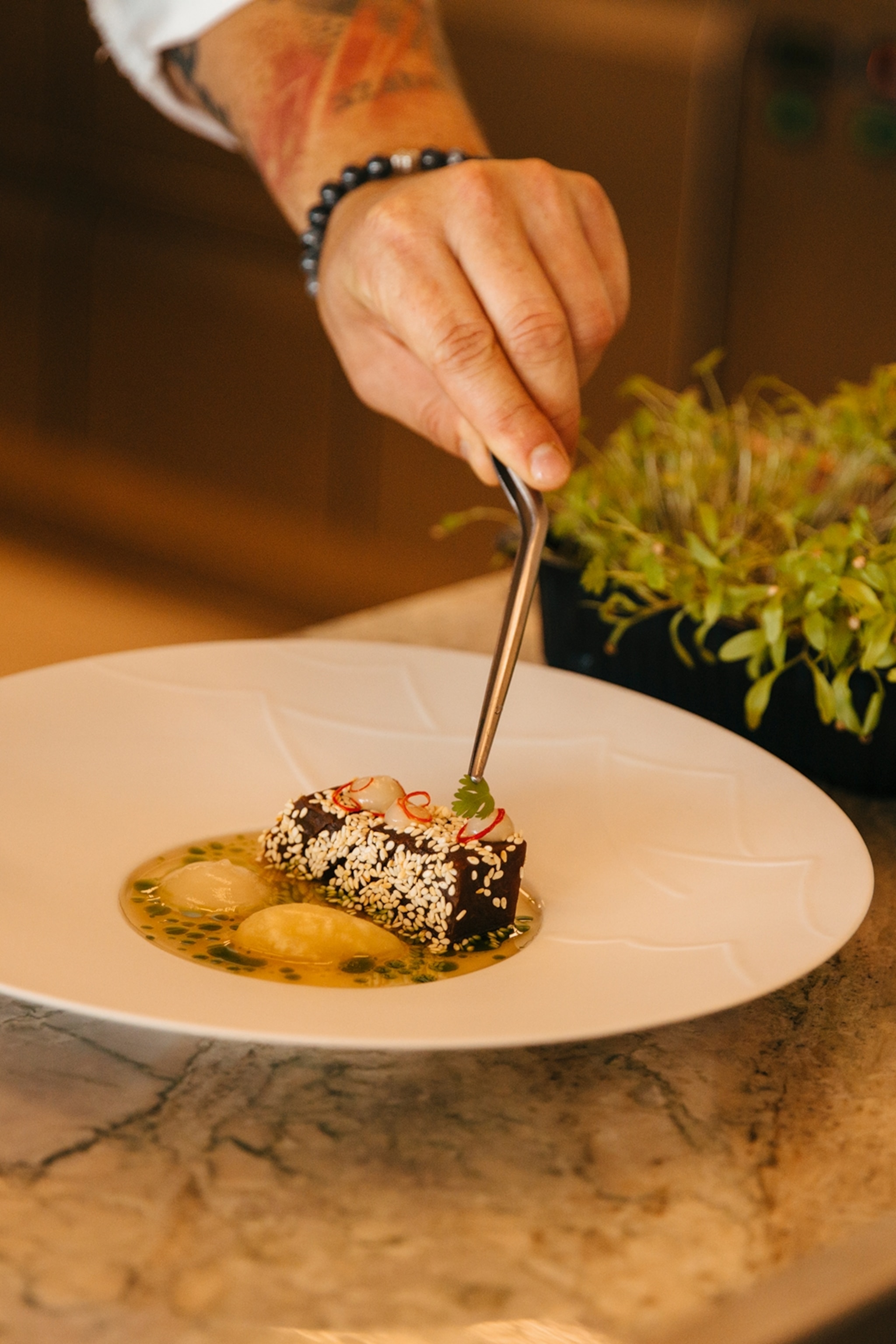
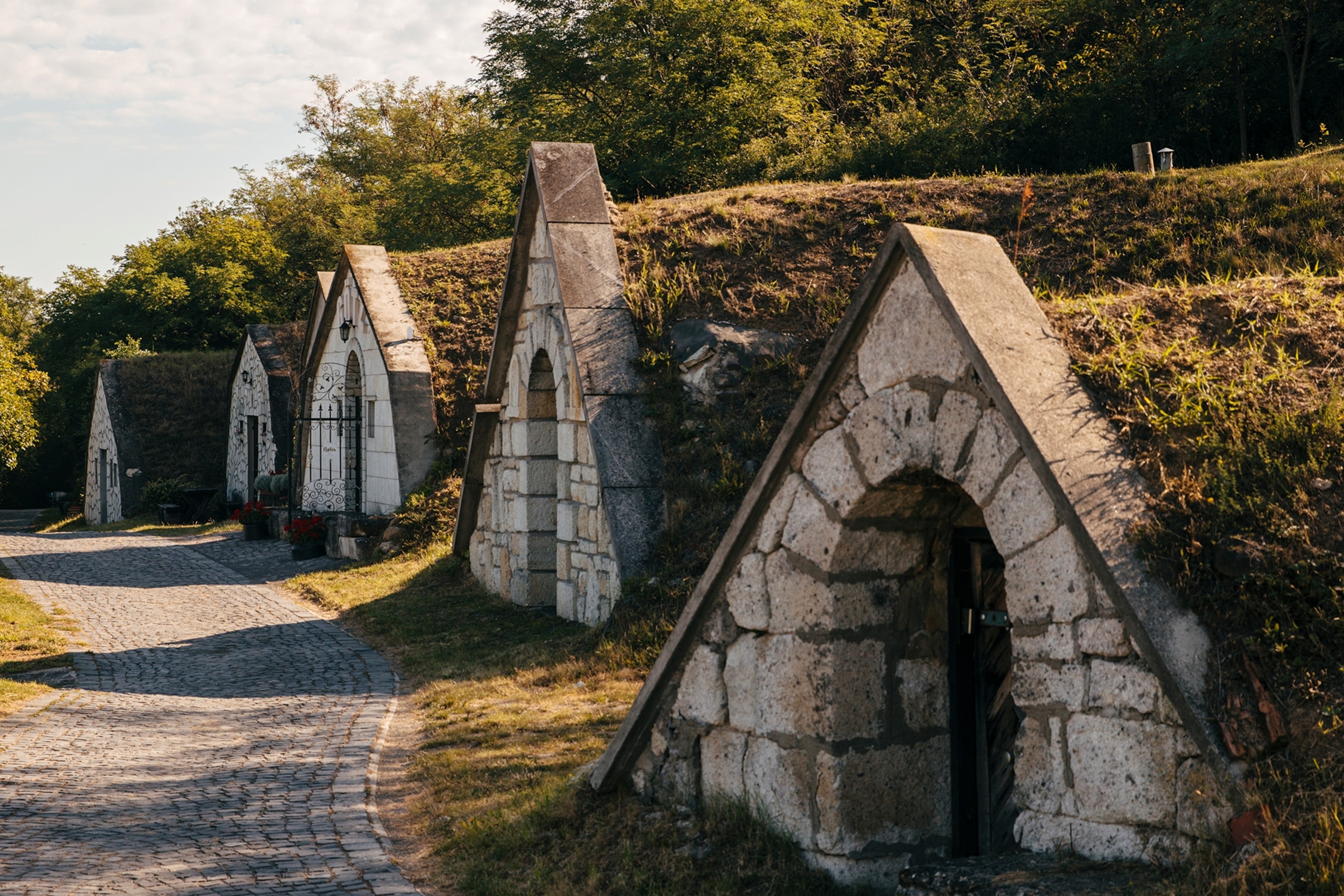
Whether you are exploring the “Hobbit-hole” cellars of Hercegkút or enjoying a five-course tasting menu in a Mád courtyard, Tokaj offers a sense of discovery that is increasingly rare in Europe’s more commercialized wine regions. It is a place where time slows down, and every glass tells a story of fire, mist, and resilience. For the traveler of 2026, Tokaj is no longer just a dessert wine stop—it is a full-course feast for the senses that stands as a testament to Hungary’s enduring spirit.