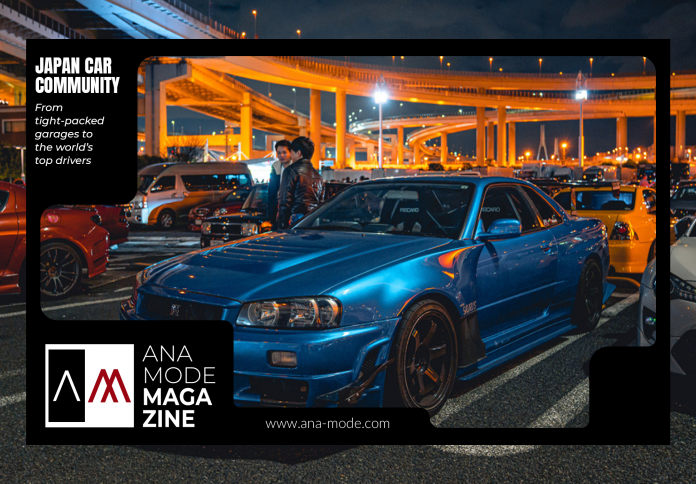
Where engines roar like the heartbeat of car enthusiasts, Japan Car Community is not just a gathering place for those who share the same passion — it’s a culture, a lifestyle, a bold statement of individuality encapsulated in every rev of the engine, every tire skid, every vibrant and passionate meetup. Japan Car Community is a tribute to the exceptional mechanical engineering of the Land of the Rising Sun and a place where strangers are united by a pure and intense love for cars.
Where all legends originate from the steering wheel
The Japanese car community, with a history spanning nearly a century alongside legendary names like Toyota, Honda, Nissan, Mazda, and Subaru, has cultivated a unique ecosystem — where mechanical engineering is elevated to an art form, and the automobile is no longer just a means of transport, but a true expression of identity.
“Cars are not just transportation. They’re a symbol of freedom, of identity.” — Keiichi Tsuchiya, the “Drift King,” legendary racer and icon of JDM culture. Since the 1990s, when JDM car culture spread from Japan to the world through the Initial D anime series, and was later propelled into global fame by the cinematic hit Fast & Furious: Tokyo Drift (2006), Japanese cars have become irreplaceable icons.
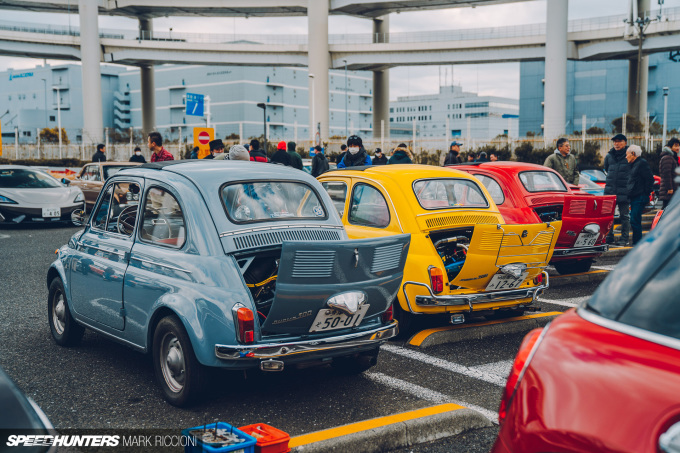
Legends like Daijiro Inada — founder of Tokyo Auto Salon and Option Magazine — and Kazuhiko “Smokey” Nagata of Top Secret fame, who famously hit 317 km/h on a public highway in the UK, have written some of the most thrilling chapters in automotive history, inspiring an entire generation of enthusiasts.
Resonance of passion connecting all roads worldwide
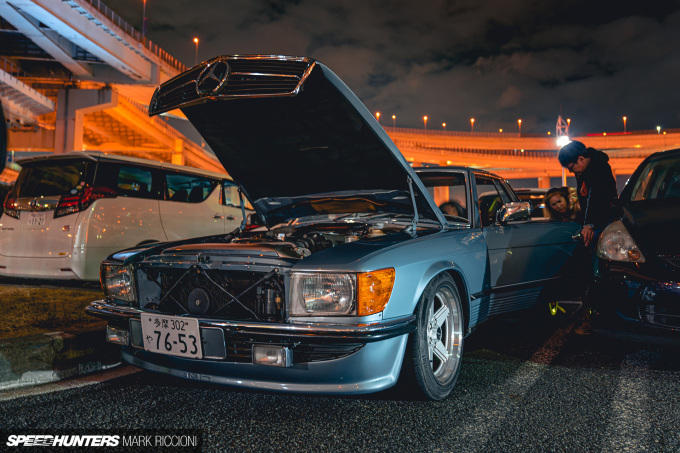
Whether in Tokyo, Jakarta, or Los Angeles, the Japanese car community expresses its passion with sincerity—never flashy, never fake. Car lovers here are not divided by nationality, gender, or age, because in this community, you’re free to be yourself—with the scent of gasoline on your hands, a smear of grease on your shirt, and that gleam in your eyes when the engine roars to life after a build. Gatherings happen in parking lots, garages, even under overpasses—anywhere there’s a bit of light, a few cars, and hearts burning with passion, it’s more than enough.
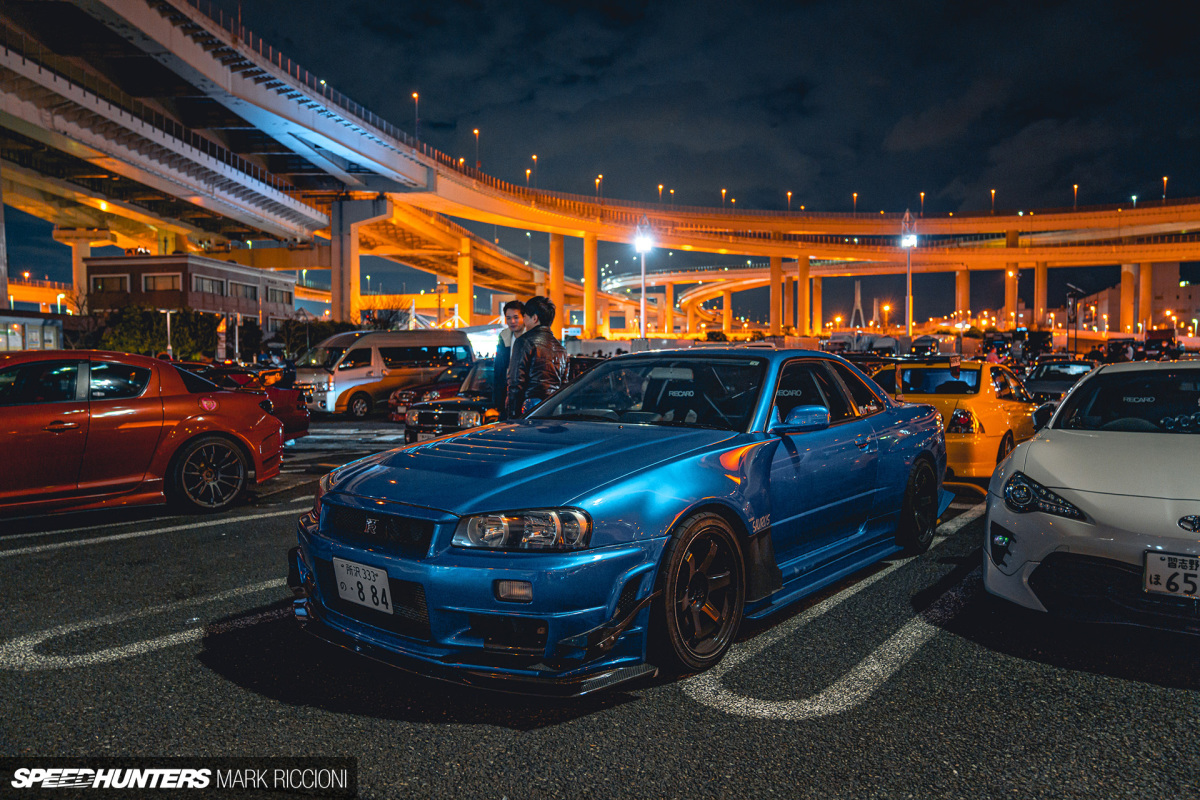
Today, the JDM community is a global network — from Vinh Mugen in Vietnam, Adam LZ in the U.S., to Noriyaro, the Japan-born Aussie — each one spreading the passion for cars in their own unique way.
A unique identity – one not assimilated nor mistakable
At Japan Car Community, car modification is a way of life — an art form. Enthusiasts aren’t just adding parts; they’re telling a story through components: from a classic Momo steering wheel to an air suspension system, to the roaring HKS exhaust that sounds like a symphony of metal and burning fuel.
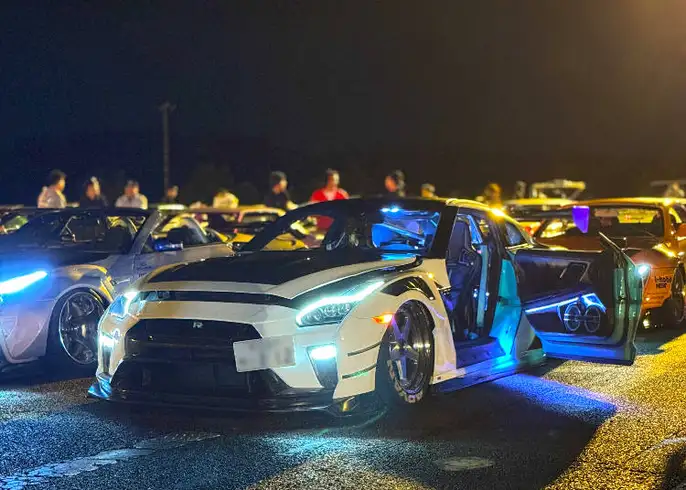
“Your car is your spirit animal. Choose wisely, build passionately.” — Adam Zillin, founder of 7Tune. The fusion of legendary Japanese tuning houses with the bold creativity of a new generation of builders has given rise to the “new age JDM” — a movement that honors heritage while fearlessly redefining it. Words aren’t needed; just one look at a widebody S13 or a twin-turbocharged Supra A80, and you’ll understand what it means when mechanical passion takes shape.
Inspiration – Running from the roads to popular culture
JDM is no longer a niche — it has long become a part of mainstream pop culture. Fashion brands like Illest, StanceNation, Toyo Tires Lifestyle, and even collaborations like Bape x Nissan have all tapped into Japanese car culture as a trendsetting aesthetic. The collision between mechanics and style has created an entire way of life — where speed, individuality, and difference blend into one seamless expression.
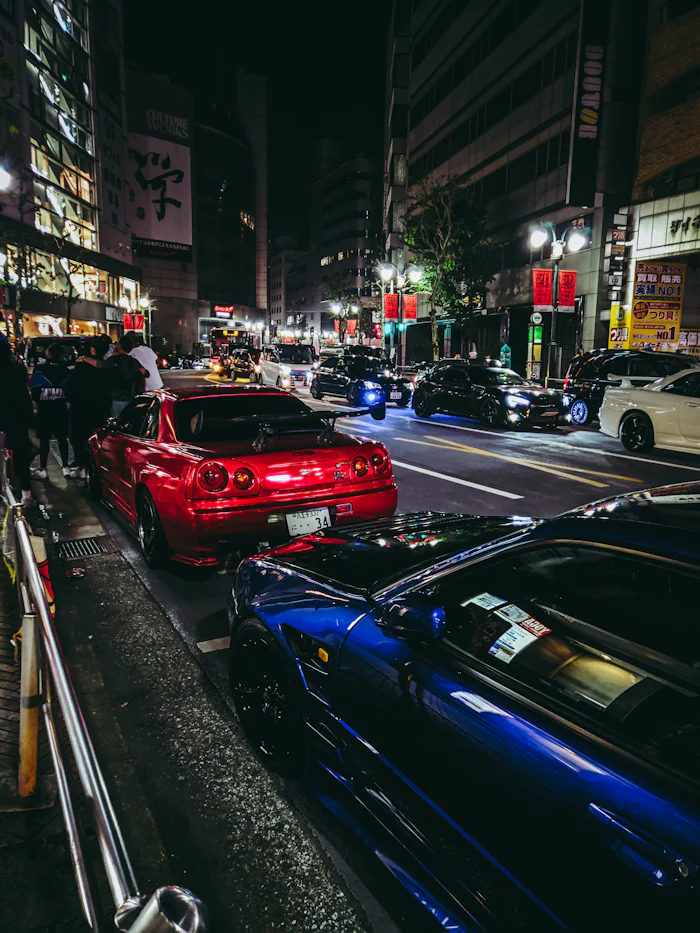
“When I look at my RX-7, I see more than a car. I see every late night, every scrape, every win, and every lesson.” — Mad Mike Whiddett, world-renowned drifter from New Zealand and an icon of the Mazda RX-7.
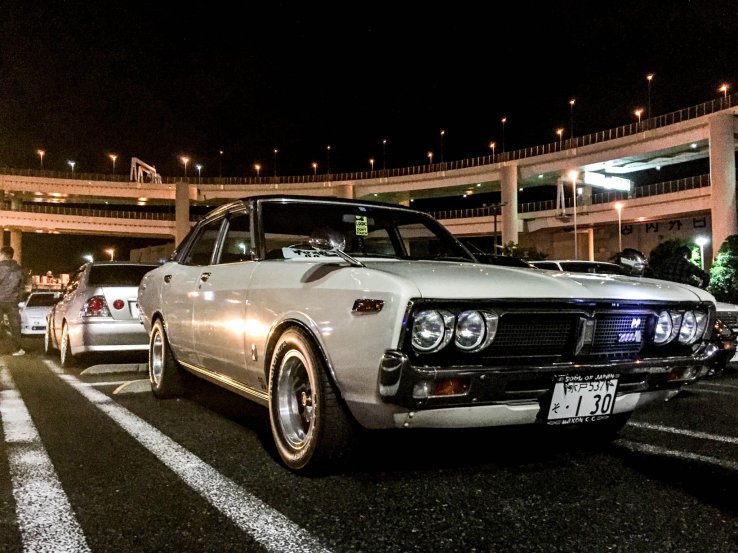
We can’t forget the global events where car enthusiasts gather, each one a celebration of sound, light, and unbelievable designs: Car Meets at Daikoku PA (Japan), Tsukuba Circuit, or major events like the SEMA Show, Tokyo Auto Salon, Offset Kings, or Wekfest.
Japan Car Community is not a trend — it’s a culture that continues to evolve. From Tokyo to Ho Chi Minh City, from California to London, the love for Japanese cars remains alive, sustained by people who never stop dreaming, driving, and living.
Mavis | Cameron Truong