For the modern traveler, a morning run is no longer just a fitness routine; it is an immersive way to experience a destination. In 2025, National Geographic has spotlighted a series of scenic routes that transform a simple jog into a journey through history, geology, and unparalleled natural beauty. From the ancient shadows of the Great Sphinx to the mist-shrouded volcanic ridges of New Zealand, these runs offer a profound connection to the landscape. Whether you are navigating the sharp switchbacks of a Portuguese cliffside or pacing yourself against the backdrop of the Giza pyramids, these destinations prove that some of the world’s most spectacular sights are best seen at a rhythmic, steady pace.
Running Through Antiquity: Giza, Egypt
Perhaps the most iconic urban-adjacent run in the world, the route surrounding the Pyramids of Giza offers an unparalleled sensory experience. Just 12 miles outside of Cairo, runners can navigate the dunes and lesser-traveled roads that overlook the Great Sphinx. In 2025, this location remains a top recommendation for those seeking a mix of history and athletic challenge.
Running in the early morning allows travelers to experience the site before the midday heat and the arrival of tourist crowds. The terrain is a mix of packed sand and asphalt, requiring a steady stride as the limestone silhouette of the Sphinx looms 66 feet high. It is a route where the rhythm of your footsteps echoes thousands of years of human endeavor, making it as much a spiritual journey as a physical one.
Atlantic Wilderness: Vereda do Larano, Portugal
On the island of Madeira, the Vereda do Larano trail offers a dramatic nine-mile coastal run connecting Porto da Cruz with the town of Machico. This route is not for the faint of heart, featuring steep cliff paths that sheer directly into the Atlantic. The trail winds through UNESCO-listed Laurisilva forests, where moss-covered switchbacks and shafts of light create an ethereal atmosphere.
The true highlight of this run is the sense of exposure. On one side, you are flanked by volcanic walls; on the other, there is nothing but the vast, restless horizon of the sea. Reaching the golden-sand beaches of Machico serves as a rewarding finish to a run that tests both endurance and focus. In 2025, Madeira continues to be recognized as a premier destination for “thigh-burning” ascents and world-class trail running.
Volcanic Vistas: The Pouākai Circuit, New Zealand
New Zealand’s North Island is home to the Pouākai Circuit, a demanding route within Egmont National Park. This run is famous for its “essential views” of Mount Taranaki, a dormant stratovolcano that rises over 8,000 feet above sea level. The circuit takes runners through diverse ecosystems, from dense sub-alpine scrub to the famous “mirror tarns” that reflect the volcanic peak.
This route is a favorite for technical trail runners who enjoy varying terrain, including boardwalks over wetlands and rugged forest tracks. In 2025, the Circuit remains a cornerstone of the New Zealand running scene, offering a “dormant but powerful” backdrop that motivates runners through the more strenuous vertical sections of the 15-mile loop.
The Ancient and Elemental: The Lycian Way, Türkiye
Tracing the turquoise coast of southern Türkiye, the stretch of the Lycian Way between Ölüdeniz and Faralya provides a nine-mile run steeped in myth. The rocky trails pass through fragrant pine forests and offer constant views of hidden Mediterranean bays. For runners, the appeal lies in the “ancient and elemental” vibe, where every turn reveals a glimpse of Lycian ruins or a secluded turquoise cove.

The trail is notoriously rocky, requiring a focused pace and agile footwork. However, the reward is a run that feels completely detached from the modern world. As the sun sets over the Mediterranean, the limestone cliffs of the coastline glow with a warmth that has greeted travelers for millennia, making this one of the most evocative runs in the National Geographic 2025 collection.
Island Diversity: Piton de la Fournaise, Réunion Island
For a truly alien running experience, the Piton de la Fournaise on Réunion Island offers a nine-mile route across volcanic rock and ash. Located at 7,710 feet above sea level, the trail takes runners through a landscape shaped by recent lava flows. The island itself is a “mountain in the ocean,” boasting over 600 miles of trails and a thriving local running culture that culminates in the world-famous “Grand Raid” ultramarathon.
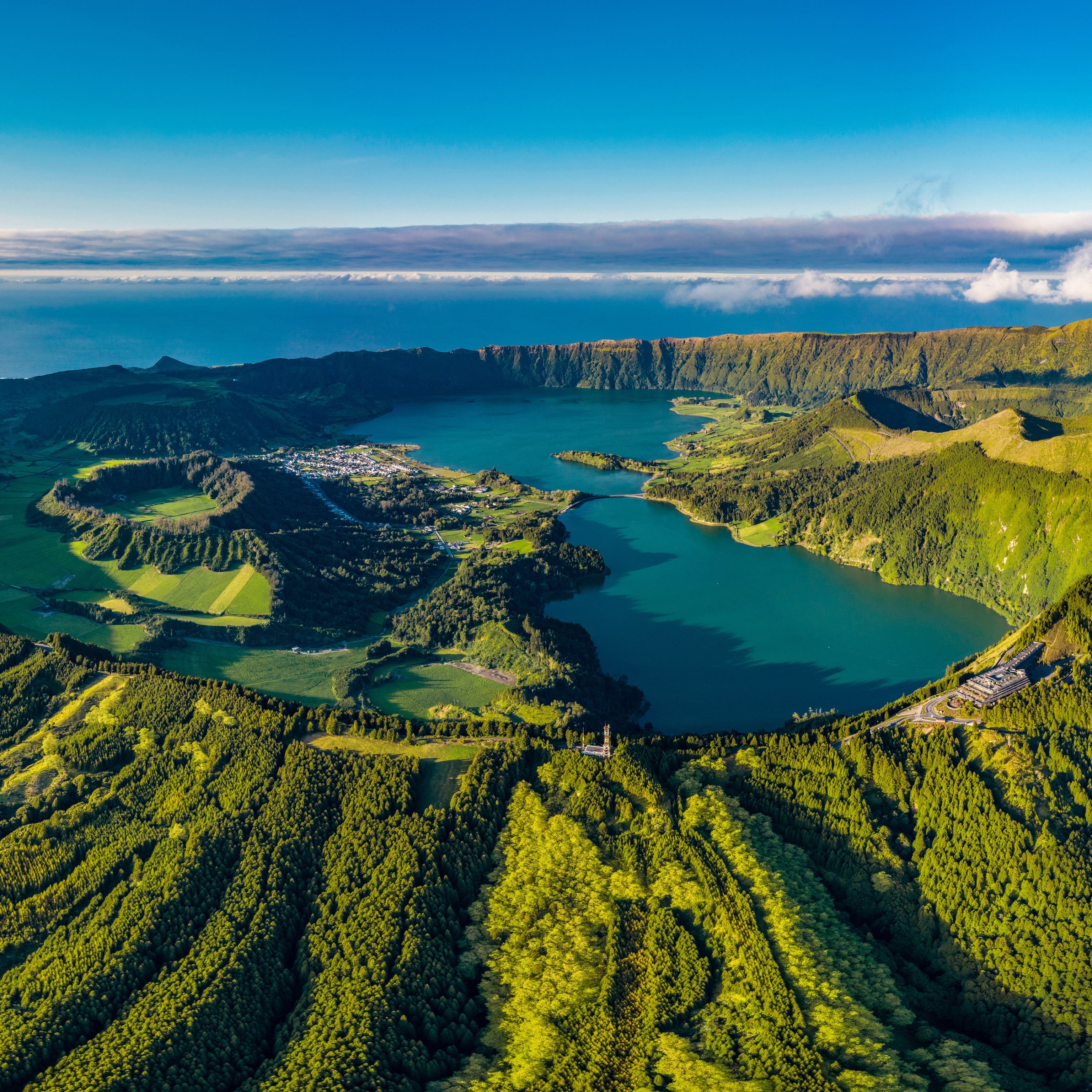
The terrain here is stark and surreal, offering little shade but immense rewards for those who appreciate geology. Running across the hardened “tears of the volcano” provides a unique tactile experience, as the crunch of volcanic cinders accompanies every step. It is a destination that captures the raw, creative power of the Earth, serving as a reminder of the planet’s constant evolution.