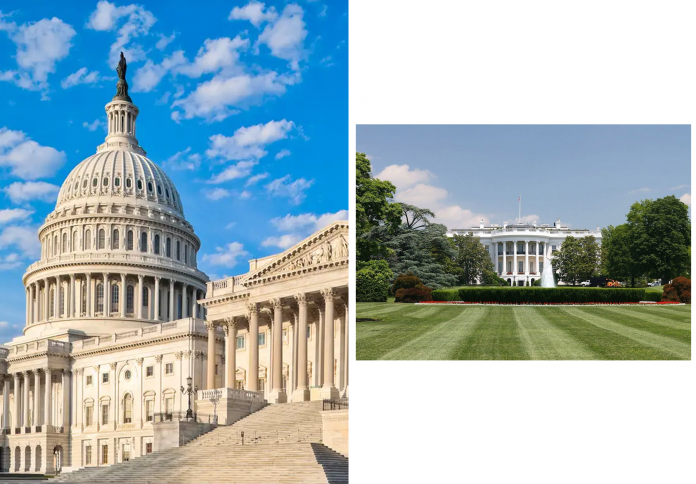
The White House, perhaps the most iconic symbol of American executive power, is on the precipice of its most significant architectural transformation in over a century. In early January 2026, architect Shalom Baranes presented a bold, updated vision for a permanent state ballroom—a project that seeks to replace the temporary tents and portable facilities often used for hosting foreign dignitaries with a structure of lasting grandeur. Central to this new proposal is a “modest” one-story addition to the West Wing colonnade, a move intended to restore classical symmetry to the campus following the construction of a massive new East Wing facility. As the National Capital Planning Commission (NCPC) deliberates on the scale and necessity of the 22,000-square-foot ballroom, the debate has ignited a firestorm over the balance between modern diplomatic needs and the preservation of a historic landmark. For the administration, it is a quest for “graceful” modernization; for critics, it is an “overwhelming” expansion that threatens the integrity of the People’s House.
Rationalizing the Labyrinth
The current logistical operations of the White House have been described by Shalom Baranes as “labyrinthian,” a kind euphemism for the outdated loading, waste handling, and food service systems that currently support the Executive Residence. The proposed “New East Wing” aims to “rationalize” these functions, integrating them into a multi-level structure that enhances both operational efficiency and overall security. By modernizing the “back of house” operations, the administration argues that the White House can age more gracefully, relieving the immense physical stress placed on the 200-year-old building by the demands of a 21st-century presidency.
The lower level of this new 89,000-square-foot facility is designed to house these auxiliary spaces, alongside a new movie theater and a modern office for the First Lady. Historically, the East Wing has served as the social hub of the White House, but its existing footprint was deemed insufficient for the scale of modern statecraft. The Baranes plan seeks to replace the “disorganized” character of previous decades with a cohesive, classically-inspired design that aligns with the original vision of the campus while providing the high-tech infrastructure necessary for global diplomacy.
The Pursuit of Global Symmetry
A key point of architectural contention in the new proposal is the height of the East Wing ballroom, which is set to reach 51 feet to match the exact elevation of the Executive Residence. To maintain the campus’s aesthetic balance, Baranes has suggested adding a second story to the West Wing colonnade. This “modest” addition would match the two-story colonnade required to connect the White House’s East Room to the new ballroom. The architect argues that this symmetry is essential for maintaining the “central pavilion” as the dominant feature of the site, ensuring that the new wings do not overshadow the historic core.
NCPC Commissioner William Scharf underscored the symbolic importance of the project, noting that the current reliance on “tents and porta-potties” on the South Lawn is “not a good look for the United States” when compared to the grand palaces of Europe and Asia. He argued that the United States requires a venue that matches the dignity of its visitors—a “Windsor Castle” equivalent for the American republic. This pursuit of prestige, however, has faced pushback from those who believe the addition of a second story to the iconic colonnades fundamentally alters the low-slung, democratic profile of the executive mansion.
Criticism and the Question of Scale
Despite the administration’s focus on “graceful” aging, the scale of the 22,000-square-foot ballroom has been labeled as “disturbing” and “overwhelming” by local leaders, including DC Council Chairman Phil Mendelson. Critics are concerned that the sheer volume of the new building will dominate the White House lawn, diminishing the historic landscape that has defined the site for generations. Concerns have also been raised regarding the environmental impact of such a massive excavation and the potential for “adverse” effects on the site’s historic character, even as the National Park Service has deemed the project acceptable in preliminary assessments.
Furthermore, the project has faced administrative turbulence. President Donald Trump famously removed the original architect, James McCrery, in October 2025, in favor of Baranes, leading to a redesign that some see as more “integrated” but others view as equally excessive. The debate over ADA accessibility, security clearances, and the final price tag continues to loom over the project as it moves toward a more detailed submission in February 2026. The central question remains: can the White House expand to meet the needs of a superpower without losing the architectural humility that distinguishes a presidency from a monarchy?
A Legacy in Stone
As excavation and foundation work continue on the site, the White House ballroom project stands as a testament to the enduring tension between the past and the future. If completed, the “New Renaissance” of the East and West Wings will redefine the American diplomatic experience for the next century. It promises a venue where the world’s leaders can be hosted with unparalleled sophistication, surrounded by the finest examples of American classical architecture. Yet, it also risks becoming a symbol of executive overreach, a physical manifestation of a government that has grown beyond the bounds of its original design.
Ultimately, the success of the Baranes plan will be judged by how well it “rationalizes” the chaos of the present without erasing the history of the past. As the February deadline for the final design approaches, the world is watching to see if the “modest addition” to the West Wing will indeed restore symmetry or if it will mark the beginning of a new, more imposing era for the American presidency. In the city of monuments, the White House is preparing to become its own most significant addition.