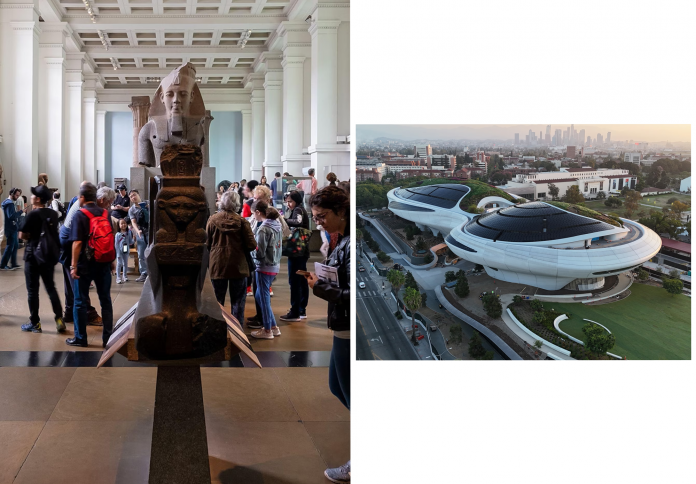
Film museums around the world preserve cinema through objects, archives, exhibitions, architecture, and immersive public programming. The immediate development is specific, but its wider interest comes from the way it brings landscape, access, and local culture into the same frame. Rather than treating the moment as an isolated update, it is more useful to watch the decisions around it: how the work is made, how institutions present it, what audiences notice first, and which details remain meaningful after the initial burst of attention. That approach keeps the story grounded in what is known while allowing the larger cultural pattern to emerge. The result is not a verdict so much as a close reading of process, context, and the expectations now shaping the field.
Film Museums Turn Viewing Into Physical Encounter
Film museums around the world preserve cinema through objects, archives, exhibitions, architecture, and immersive public programming. That is the firm starting point for The World’s Film Museums Turn Cinema Into a Place You Can Walk Through. The story becomes more interesting when the headline is treated as an entry rather than an endpoint. Its real texture sits in landscape and access: the choices, expectations, and constraints that make the development legible beyond a single news cycle. A magazine reading should therefore resist the temptation to inflate one event into a total verdict. The stronger approach is to stay close to what is known, then examine the system that gives those facts meaning.
The visible outcome can make the development seem self-contained. In reality, a destination, route, museum, landscape, rail journey, or urban itinerary is produced through a chain of decisions involving route, season, local knowledge, infrastructure, culture, stewardship, and pace. Each layer changes what audiences eventually encounter. That is why process deserves as much attention as presentation. It is not backstage trivia; it is the mechanism through which a concept becomes credible, useful, moving, or commercially viable. When the process is examined alongside the result, the story gains proportion and the difference between a compelling idea and a durable one becomes easier to see.

Costumes, Sets, and Archives Make Cinema Tangible
Reception adds its own layer of meaning. Around The World’s Film Museums Turn Cinema Into a Place You Can Walk Through, traveler expectation and local context matters because people do not encounter the development in isolation. They bring a history with the names, places, products, institutions, or ideas involved. That prior knowledge can deepen the experience, but it can also flatten it into a familiar narrative too quickly. The editorial task is to preserve enough distance to notice what is genuinely different here, while still acknowledging the emotional and cultural baggage that makes the story legible in the first place.
That makes the balance between discovery and stewardship more useful than novelty as a measure of significance. Novelty is easy to announce; durability takes time. What can be assessed now is whether the development reorganizes attention, shifts a conversation, or changes the range of choices visible within the culture of travel. Even a modest shift can matter if it gives creators, institutions, consumers, athletes, researchers, or travelers a different reference point. The story earns its weight through that change in perspective, not through claims that everything has suddenly been transformed.
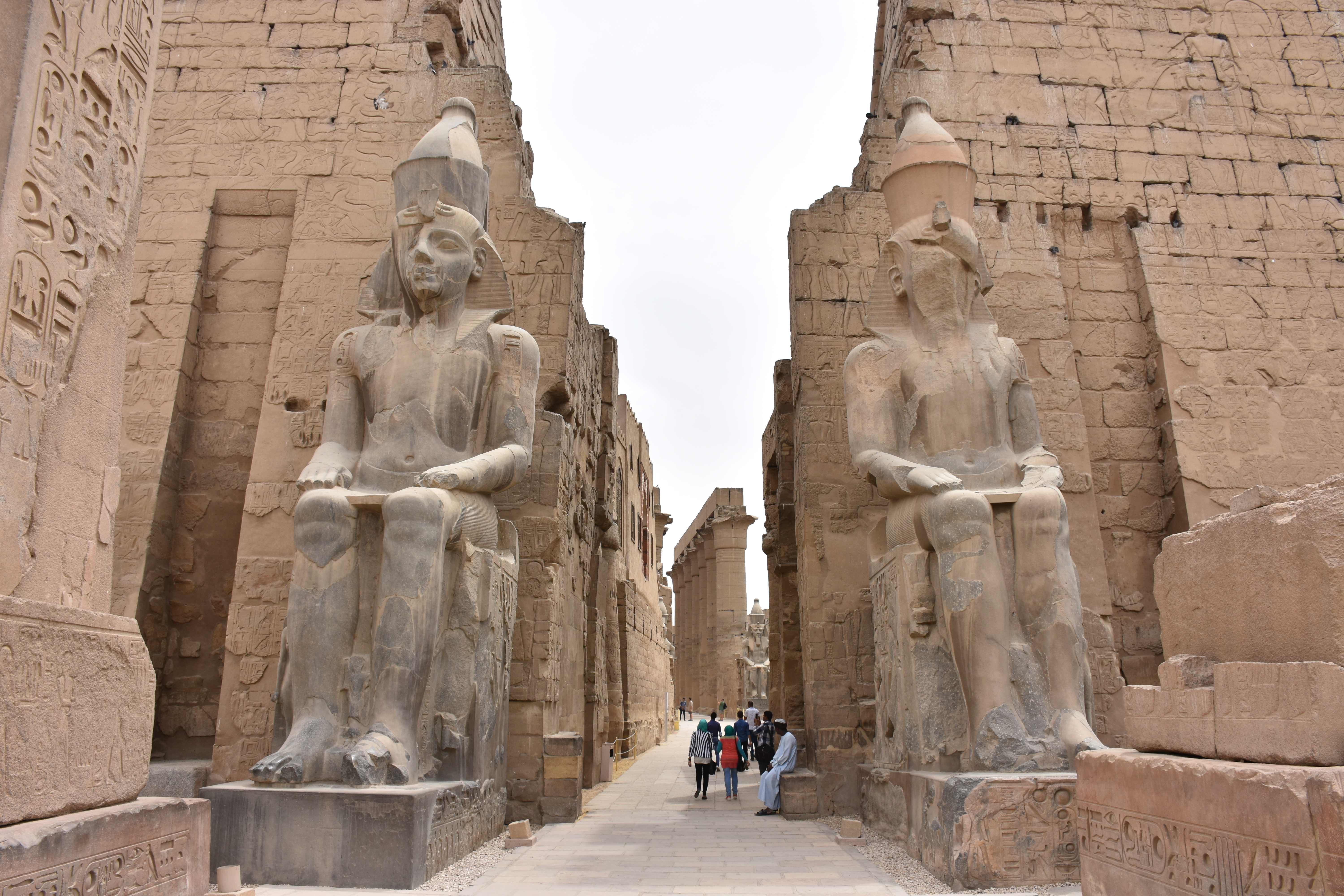
Architecture Shapes How Movie History Is Remembered
There is also a practical test. Once the initial attention fades, does the underlying proposition still make sense on its own terms? For The World’s Film Museums Turn Cinema Into a Place You Can Walk Through, that means returning to the relationship between landscape and access and traveler expectation and local context. The public story may be built around novelty, personality, spectacle, or conflict, but durable interest depends on coherence. The parts have to support one another. A strong concept cannot indefinitely compensate for weak execution, and polished execution cannot create meaning where the underlying idea remains thin. Close reading is useful precisely because it can separate those layers without pretending they are unrelated.
Behind the individual story sits an institutional one. Every part of the culture of travel depends on gatekeepers, distribution channels, professional norms, and infrastructures that determine what reaches the public. The World’s Film Museums Turn Cinema Into a Place You Can Walk Through becomes more legible when those systems are acknowledged. They help explain why similar ideas can produce very different outcomes in different settings, and why timing can be as decisive as quality. They also remind us that public success is rarely the product of one person acting alone, even when a single name becomes the shorthand through which the story is remembered.
.jpg)
The Best Institutions Let Fans Move Between Scholarship and Wonder
The story is strongest when it produces curiosity rather than closure. Around The World’s Film Museums Turn Cinema Into a Place You Can Walk Through, the open questions are concrete: what is unique to this case, what reflects a wider pattern, and which elements depend so heavily on context that they should not be generalized? Those distinctions matter because cultural and institutional change rarely moves in a straight line. The same decision can be progressive in one setting, conservative in another, or simply practical in a third. Staying attentive to context protects the article from turning a complex moment into a slogan.
What makes The World’s Film Museums Turn Cinema Into a Place You Can Walk Through worth keeping in view is the precision of the questions it raises. It connects a specific development to the larger mechanics of the culture of travel without requiring a sweeping judgment. That balance matters. Stories become more useful when they can acknowledge excitement, conflict, ambition, and risk while still respecting what has and has not been established. The moment may later look like a turning point, a detour, or simply one strong expression of its time. At present, the evidence supports something simpler: it is a revealing case study of a field negotiating change in public.