In a week defined by historic qualifications and bizarre technical delays, the global sporting landscape has offered up a feast for trivia aficionados. From England’s dominant march toward the next World Cup to the rare appearance of grand sumo wrestling outside its ancestral Japanese home, the sheer variety of headlines is staggering. Whether it is a professional golfer winning a major on his birthday or an NFL quarterback sidelined by a freak gym injury, the narratives of October 2025 remind us why we remain captivated by the unpredictable nature of elite competition. This week’s “Magazine World” feature dives deep into the questions that shaped the sporting discourse, challenging your knowledge of the goals, the gaffes, and the glorious underdog stories that defined the last seven days in football, tennis, rugby, and beyond.
The Road to Glory: Football’s Qualifying Drama
The primary focus of this week’s headlines was the relentless march toward the upcoming football World Cup. England secured their place in next summer’s tournament with a clinical 5-0 dismantling of Latvia, extending an incredible record in qualifying matches. Statistically, the Three Lions have become a powerhouse of consistency; they have not lost a World Cup qualifier since 2009. This longevity in qualification is a testament to the depth of the English talent pool, though fans with longer memories will recall the sting of 1994—the last time the nation failed to actually reach the final tournament.
However, the week’s most bizarre footballing moment occurred during the qualifier between Wales and Belgium. In an event rarely seen in modern professional sports, the match was paused for five minutes for a highly unusual reason: the referee had lost a contact lens. The official was forced to return to the dressing room for a spare, leaving a stadium of bewildered fans and elite players waiting on the pitch. It was a human moment in a high-stakes environment, proving that even at the highest levels of the game, a tiny piece of plastic can bring the world’s most popular sport to a temporary standstill.
Underdogs and First-Timers on the Global Stage
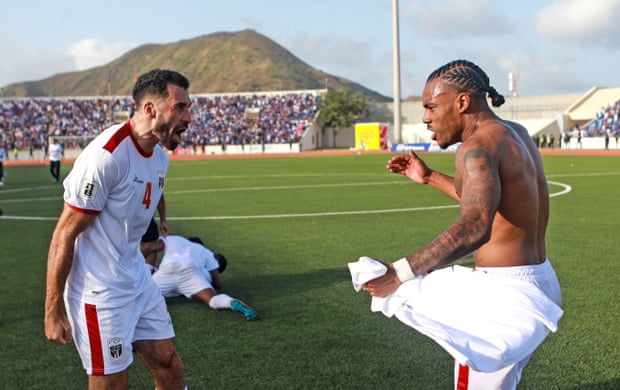
While the traditional giants of football were busy securing their berths, the week also celebrated the arrival of new faces. Paraguay provided one of the most emotional storylines, qualifying for the World Cup for the first time since they hosted the tournament decades ago. Their journey has been a masterclass in persistence, reflecting a national resurgence that has captured the imagination of South American fans. Meanwhile, Cape Verde’s Pico Lopes shared a story that sounds more like fiction than reality; the centre-back, born in Ireland, received his initial international call-up in 2019 after the manager of the Cape Verde national team reached out to him via a message on LinkedIn.
The “odd one out” in the qualifying lists this week turned out to be New Zealand. While England, Ivory Coast, and Tunisia all progressed through standard regional groups, the Kiwis continue to navigate the unique challenges of the Oceanic qualifying path. This diversity of journeys highlights the truly global nature of the sport, where a LinkedIn message or a historic victory for a former host nation can become the defining moment of a career. It is these human elements that provide the soul of the qualifying rounds, transforming spreadsheets of results into a tapestry of national pride.
Precision and Power: From the Darts Board to the Sumo Ring
Outside of the football pitch, the world of individual sports provided equally compelling drama. Luke Littler, the teenage sensation who has revitalized interest in professional darts, captured the World Grand Prix and a £120,000 prize. His dominance at just 18 years old is unprecedented, but his post-victory Monday was perhaps his most relatable moment yet. Rather than resting on his laurels, he spent the day releasing his debut autobiography—a move that underscores the meteoric rise of a young man who was playing in youth championships only a few years ago.
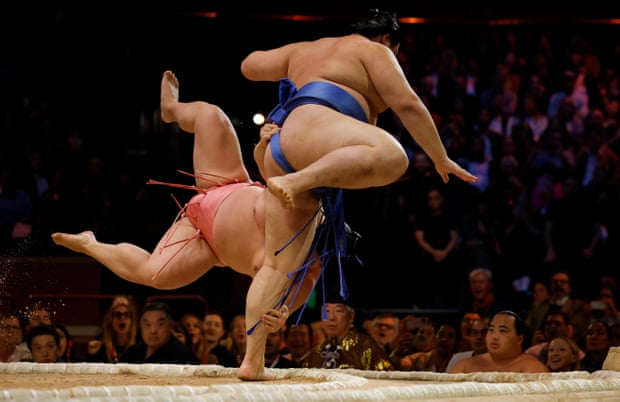
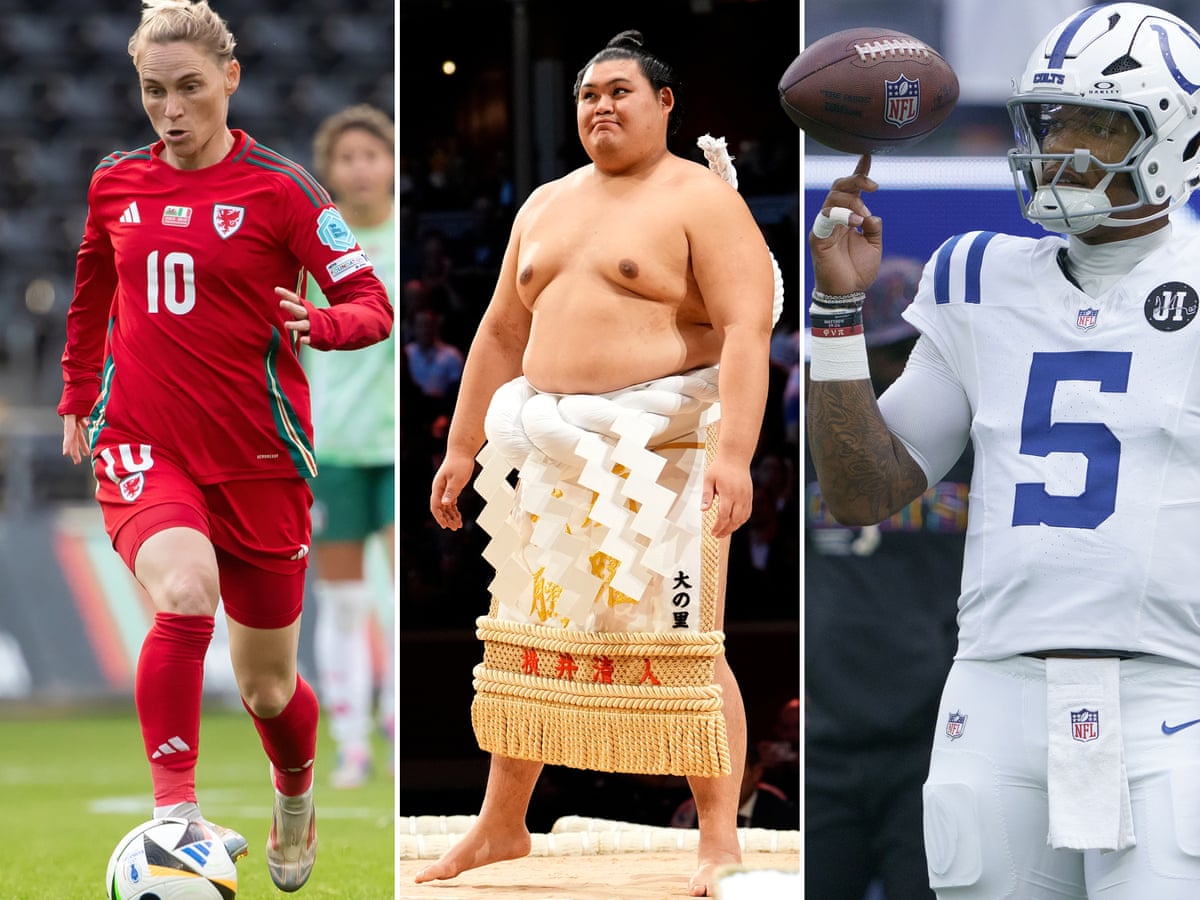
In a rare cultural crossover, the world of Grand Sumo Wrestling made headlines by venturing outside of Japan for only the second time in its long and storied history. The prestigious event was hosted at London’s Royal Albert Hall, the same venue that held the first international tournament back in 1991. The sight of elite wrestlers competing in such an iconic Victorian setting offered a striking visual contrast, blending ancient Eastern tradition with Western architectural heritage. For the fans in attendance, it was a once-in-a-generation opportunity to witness the “sport of emperors” in the heart of the British capital.
Triumphs of the Will and Freak Injuries
The week also saw records shattered in tennis and snooker. Valentin Vacherot etched his name into the history books at the Shanghai Masters, becoming the lowest-ranked player ever (world No 204) to win an ATP 1000 event. His victory was made even more poetic by the fact that he won the tournament on his birthday, a gift that few athletes ever manage to secure for themselves. Meanwhile, in China, snooker legend Mark Williams set a new benchmark for longevity by becoming the oldest winner of a ranking tournament, proving that precision and tactical mindsets do not necessarily fade with age.
However, not every story ended in a trophy presentation. In the NFL, Indianapolis Colts backup quarterback Anthony Richardson became the latest victim of the “freak injury” curse. He is expected to be sidelined for a month after suffering an injury involving a stretch band during a routine gym session. It is a sobering reminder of the physical vulnerability of professional athletes; even as they train to become the strongest versions of themselves, a simple piece of latex can prove as dangerous as a 300-pound defensive lineman. This mix of stratospheric success and sudden misfortune is what keeps the sporting world in a state of constant, captivating flux.