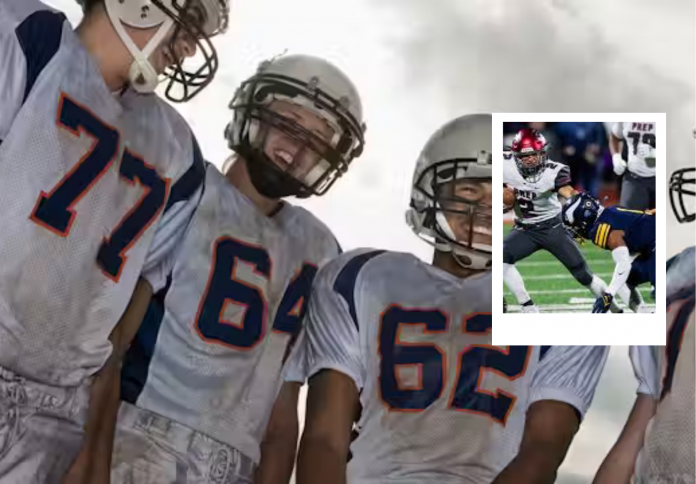
Chronic Traumatic Encephalopathy (CTE) is a degenerative brain condition that has gained widespread attention due to its diagnosis in numerous professional football players after their deaths. While the link between repeated head trauma and this condition is well-documented in elite athletes, a growing body of research is revealing that the risk is not limited to the professional ranks. Adolescents and young adults who play contact sports also face significant mental health challenges from repeated traumatic brain injuries. These often-overlooked risks can have both short-term and long-term consequences, including depression, anxiety, and substance misuse. This emerging evidence highlights the urgent need for young players, their families, and coaches to pay closer attention to the potential dangers of head injuries.
The Rising Concern of Traumatic Brain Injuries

Traumatic brain injuries (TBIs) are far more common than many people realize, with an estimated 55 million people worldwide experiencing one each year. While some individuals recover quickly, more than half report lingering mental health symptoms a year later. These can include a range of cognitive difficulties such as problems with concentration and memory, as well as emotional issues like irritability, anxiety, and depression. A significant number of those who sustain a TBI also report turning to alcohol or other substances to cope, and in some cases, even experience suicidal thoughts.
CTE is believed to be caused by repeated head trauma over time, not from a single severe blow. This is particularly relevant for athletes in contact sports. Former competitors often express concern that they may have CTE, not just because they remember a diagnosed concussion, but because they experience many of the same cognitive and mental health symptoms. This link remains a complex area of study, and a definitive diagnosis can only be made after an autopsy, making it impossible for a living person to confirm if they have the condition.
The Overlooked Mental Health Effects in Youth Sports
While the spotlight has been on professional athletes, research is increasingly focusing on the impact of head injuries on young players. A recent study, for example, surveyed over 500 student athletes and found that a staggering 75% had experienced a head injury before starting college. Almost 40% had been diagnosed with at least one concussion. The findings revealed a troubling link: these student-athletes were significantly more likely to have a psychiatric disorder in their lifetime and a history of substance use.
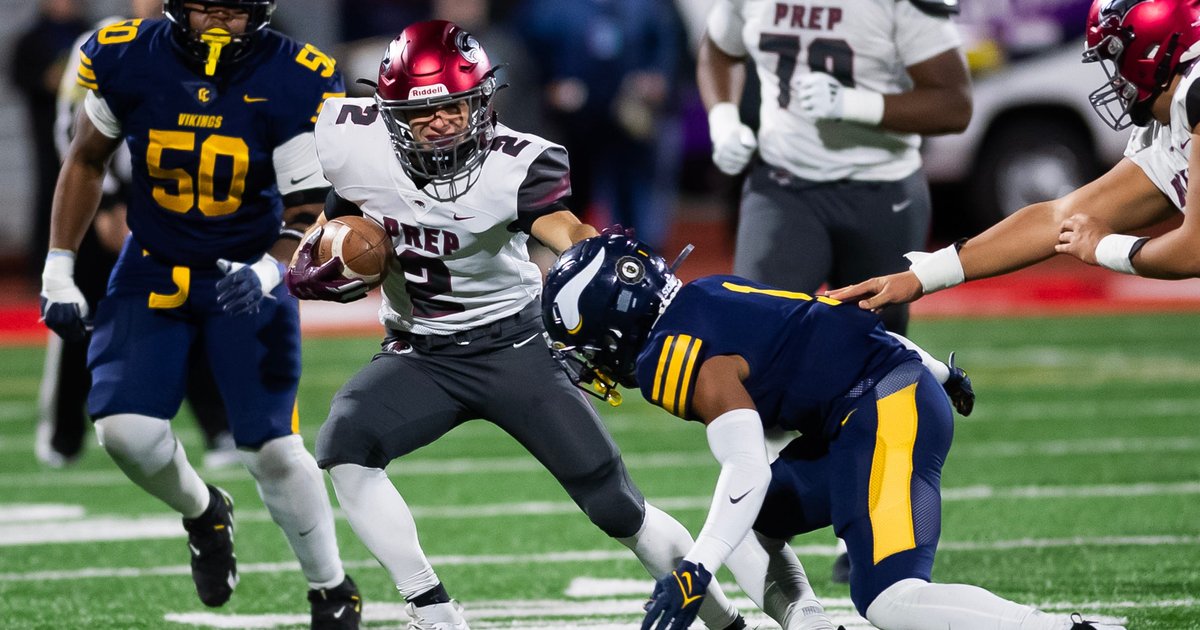
These observations underscore the hidden mental health effects of head injuries in adolescents and young adults. The study also found that symptoms of alcohol abuse were more severe in athletes who had their first head injury at an earlier age and who had a greater number of concussions. While the exact correlation to CTE is not yet fully understood, a separate study of 152 former contact sport athletes who died before age 30 found signs of CTE in the brains of 40% of them. This powerful finding suggests that the groundwork for this degenerative disease may be laid early in an athlete’s career.
Increasing Safeguards for Youth Athletes
Recognizing these risks, youth sports leagues and organizations are beginning to take proactive measures. Head injuries in youth sports are no longer being met with a shrug. Studies have shown that simple changes, such as limiting physical contact during preseason practices or between games, can effectively reduce the risk of head injuries. Coaches are also receiving more extensive training on how to identify the signs and symptoms of a concussion and are given strategies to manage these situations safely.
The presence of athletic trainers is also expanding from just high school sporting events to those for younger children. As trained first responders, they are able to assess head injuries on the spot and provide guidance to a medical team on when a player can safely return to the field. Parents and guardians also have a critical role to play. After a head injury, they should closely monitor their child for any changes in mood or behavior. Any significant changes should prompt a referral to a neurologist or mental health professional for a full assessment and, if necessary, treatment.