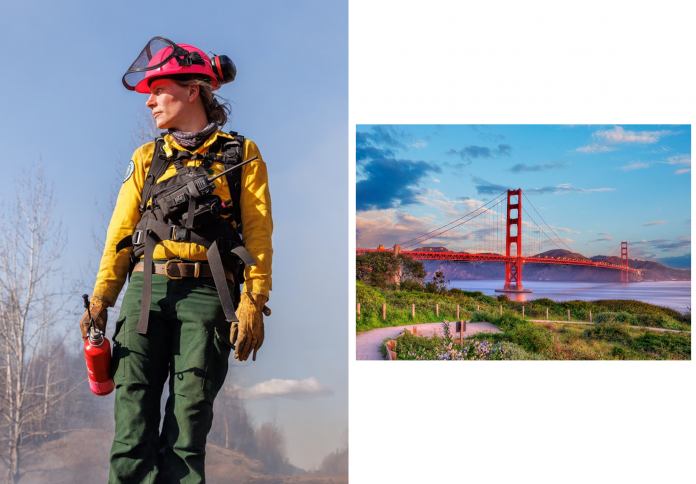
At the northwestern tip of San Francisco, where the Pacific Ocean surges into the Bay, lies a 1,500-acre masterclass in transformation. The Presidio is not your typical national park; it is a “park for the people” built upon the layers of a 219-year military legacy. Having served under the flags of Spain, Mexico, and the United States, this former Army post transitioned to the National Park Service in 1994, sparking one of the most ambitious historic preservation projects in American history. Today, as it celebrates its 250th anniversary in 2026, the Presidio stands as a vibrant hybrid of wild coastal bluffs, restored wetlands, and sophisticated urban amenities—all framed by the unmistakable international orange of the Golden Gate Bridge.
The Tunnel Tops: Bridging the City and the Sea
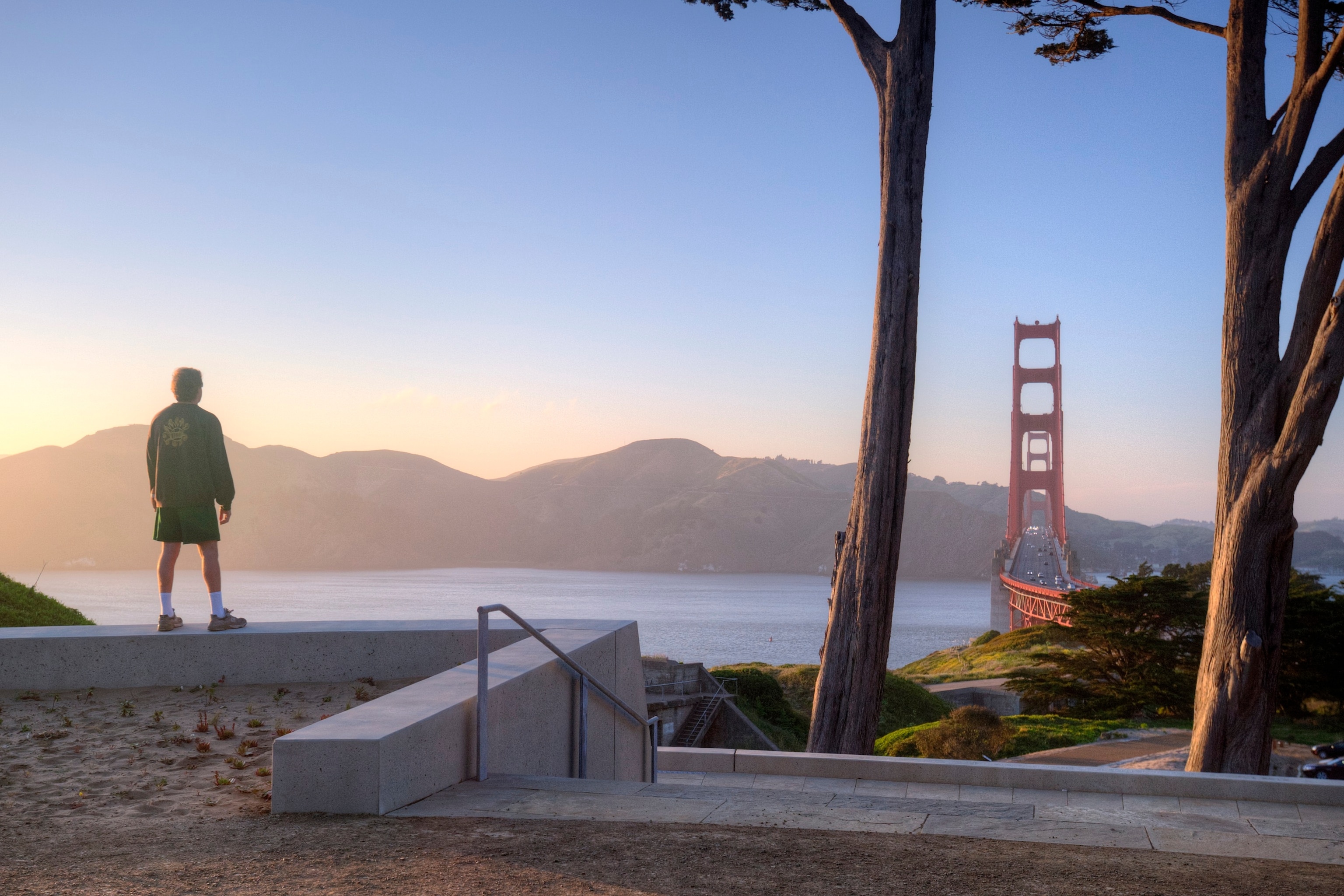
The most dramatic recent addition to the park’s landscape is the Presidio Tunnel Tops, a 14-acre scenic wonderland built directly over the highway tunnels of the Presidio Parkway. Designed by the same team behind New York’s High Line, this elevated parkland reclaims space once dominated by roaring traffic, seamlessly connecting the historic Main Post to the marshlands of Crissy Field. Visitors can wander through “The Outpost”—a massive nature-themed playground crafted from fallen Presidio cypress trees—or lounge on expansive lawns that offer some of the most intimate views of the Golden Gate available anywhere in the city.
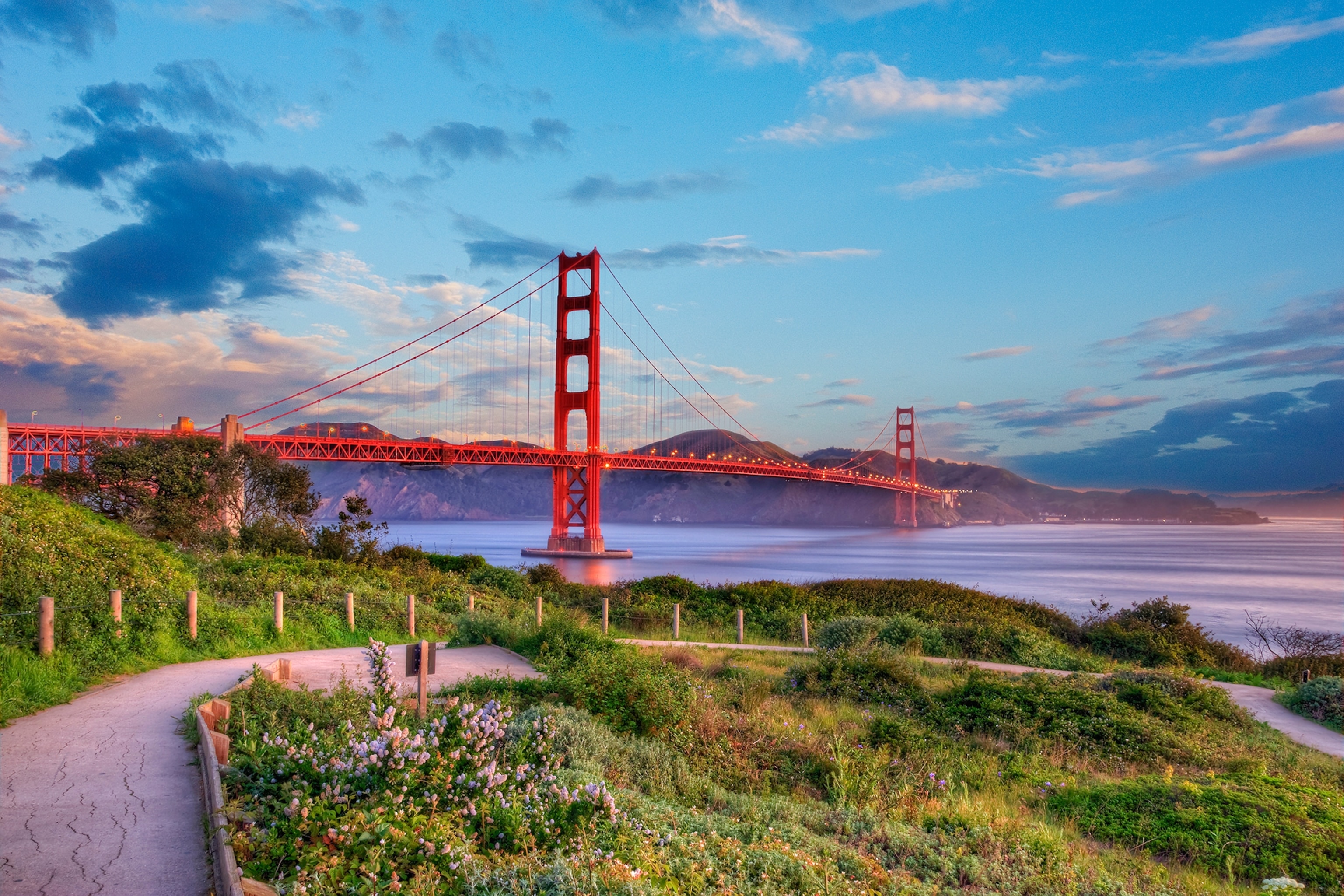
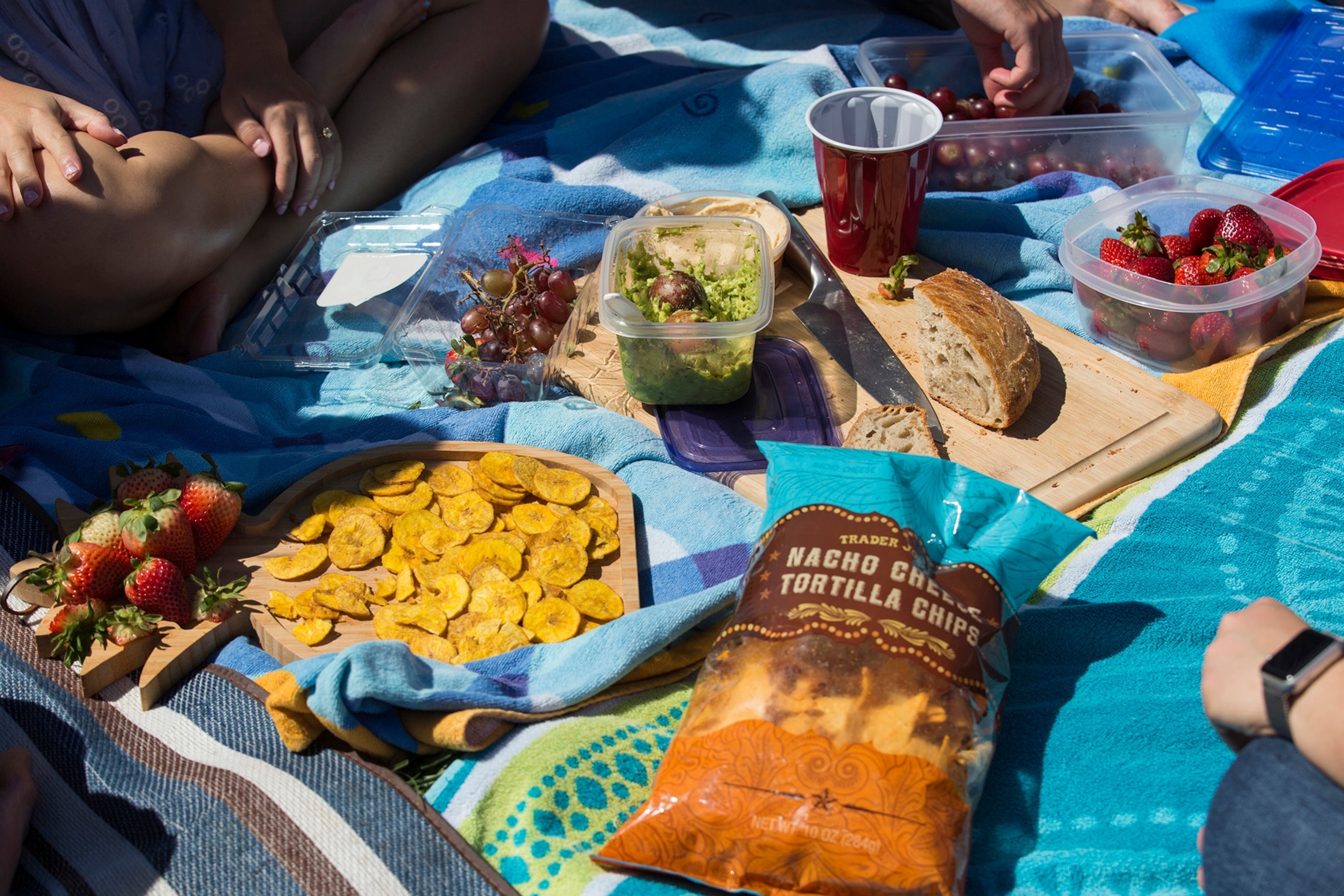
This area serves as the park’s new town square, featuring three formal picnic zones and a rotating cast of local food vendors at the Presidio Transit Center. It is a space designed for inclusivity, where the “Campfire Circle” hosts community gatherings and interpretive programs that share the stories of the Ramaytush Ohlone, the land’s original inhabitants. By burying the highway, the city has literally mended a long-standing fracture in its geography, creating a continuous green corridor that stretches from the heart of the Presidio down to the water’s edge.
Battery Bluff: History Unveiled on the Edge
Just west of the Tunnel Tops lies Battery Bluff, a six-acre site that was off-limits to the public for over 80 years. Opened in 2022, this area features four historic gun batteries—Blaney, Baldwin, Slaughter, and Sherwood—built at the turn of the 20th century to defend the bay. These massive concrete fortifications have been meticulously cleaned and stabilized, allowing visitors to walk among the silent giants of the Army’s “Endicott Era.” The bluff is now crisscrossed with accessible multi-use trails that connect to the Presidio Promenade, offering a new vantage point over Angel Island and Alcatraz.
Battery Bluff is a testament to the park’s “History First” philosophy. Beneath the modern picnic tables and native gardens lies the weight of the past; the site includes interpretive signage that brings the daily lives of the soldiers who once manned these guns into focus. Even the local wildlife has left its mark—during the park’s construction, a curious raccoon stepped into drying asphalt, leaving behind “paws of history” that children are encouraged to find along the pathways. It is this blend of the monumental and the whimsical that defines the modern Presidio experience.
Rewilding the City: A Sanctuary for Biodiversity
Despite its proximity to the second densest city in the United States, the Presidio is a vital ecological stronghold. Conservation teams have restored over 50 acres of native habitat, including the serpentine grasslands of Inspiration Point and the rare dune ecosystems of the Batteries to Bluffs Trail. Perhaps the greatest success story is the restoration of Mountain Lake, one of the city’s last natural lakes. Once threatened by runoff and invasive species, the lake is now a thriving aquatic sanctuary where native “Olympia” oysters—a keystone species—are being reintroduced using 3D-printed fiberglass structures to help filter the water.
This commitment to “rewilding” extends to the park’s mammalian residents as well. Coyotes, which were absent for nearly a century, returned in 2002 and are now monitored through an innovative management program that promotes coexistence with the urban population. Birdwatchers can spot over 200 species annually, from the locally rare gray fox to red-tailed hawks circling the eucalyptus groves. For the visitor, this means that a ten-minute walk from a digital arts center can lead directly into a landscape that feels as wild as the remote California coast.
Beyond the Bridge: A Culinary and Cultural Hub
The Presidio is more than just trails and views; it is a thriving neighborhood with its own culinary and cultural rhythm. The Main Post area is home to the Walt Disney Family Museum and the Letterman Digital Arts Center—famously guarded by a bronze statue of Yoda that has become a pilgrimage site for film fans. For dining, the options are as diverse as the park itself: from the polished menus of the Commissary, helmed by award-winning chefs, to the casual, weekly “Presidio Picnic” on the great lawn, which draws thousands to sample fare from dozens of local bakers and mixologists during the warmer months.
For those who wish to linger, the park offers the only overnight camping in San Francisco at Rob Hill Campground. Perched at the park’s highest point above Baker Beach, the site allows visitors to sleep under a canopy of eucalyptus trees while listening to the distant foghorns of the Golden Gate. As a “financial self-sufficiency” experiment mandated by Congress, the Presidio Trust has successfully transformed these historic barracks into offices, schools, and homes, ensuring that the park’s 250-year-old story continues to be written by the people who live and work within its boundaries.