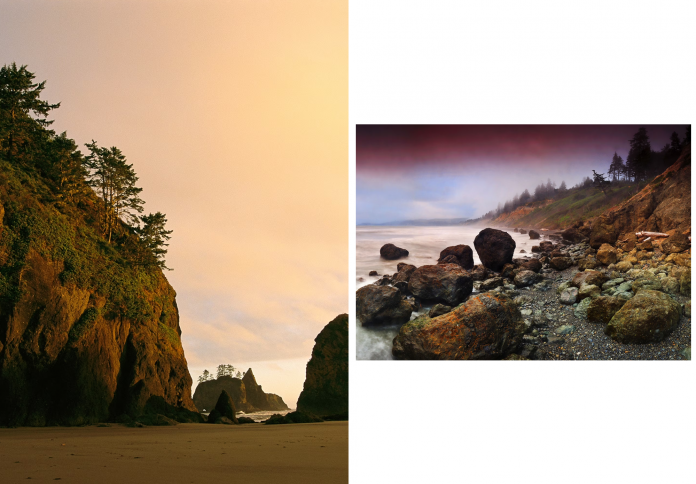
On the rugged edge of the Olympic Peninsula, where the moisture-laden winds of the Pacific collide with the jagged peaks of the Olympic Mountains, nature has created a landscape of impossible diversity. Olympic National Park is not one destination, but three: a sanctuary of ancient, moss-draped rainforests; a high-alpine wilderness of glaciers and wildflower meadows; and a wild, 73-mile coastline where sea stacks rise like jagged teeth from the surf. Encompassing nearly a million acres—95% of which is designated as roadless wilderness—this UNESCO World Heritage site is a place where one can literally watch the sunrise from a subalpine ridge and the sunset from a driftwood-strewn beach, all within the span of a single afternoon. In 2026, as travelers increasingly seek out “sensory travel,” Olympic remains the ultimate destination for those wanting to hear the whistle of an endemic marmot and the roar of the Pacific in the same breath.
The Hoh Rainforest: A Cathedral of Green
Walking into the Hoh Rainforest is like stepping back into a prehistoric era. Receiving between 12 and 14 feet of rain annually, this temperate rainforest is one of the lushest ecosystems in the United States, defined by towering Sitka spruces and Western hemlocks that reach heights of 300 feet. The most iconic experience here is the Hall of Mosses Trail, a short loop where bigleaf maples are so heavily draped in clubmoss and licorice ferns that the forest takes on a haunting, ethereal quality. The air here is noticeably heavy and quiet, filtered through a multi-layered canopy that has remained largely unchanged for thousands of years.

For those willing to venture deeper, the Hoh River Trail follows the glacial-blue meltwater of the Hoh River into the heart of the wilderness. As you move away from the day-trippers, the chances of encountering the park’s namesake Roosevelt elk increase significantly. These massive creatures, which were the primary reason for the park’s original establishment as a national monument in 1909, are often found grazing in the river “bottoms” or moving silently through the fern carpets. The deeper one treks, the more the forest reveals its secrets, from the bright yellow “banana slugs” on the trail to the rare Olympic torrent salamander hidden in the mountain seeps.
Hurricane Ridge: The Alpine Sentinel
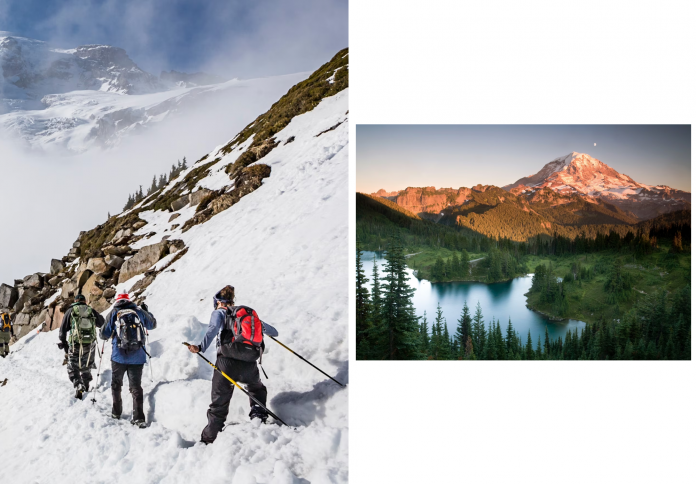
Rising over 5,000 feet above the Strait of Juan de Fuca, Hurricane Ridge offers the most accessible and dramatic overview of the park’s mountainous core. A 17-mile winding drive from Port Angeles brings visitors to a world of subalpine forests and meadows that, by July, are a riot of lupine, paintbrush, and glacier lilies. From the ridge, the jagged, snow-capped silhouette of Mount Olympus dominates the horizon, home to some of the most extensive glaciation of any non-volcanic peak in the lower 48 states. It is a landscape shaped by the collision of tectonic plates, where “slices” of ancient seabed have been thrust upward to form the “pages” of rock visible along the Hurricane Hill Trail.
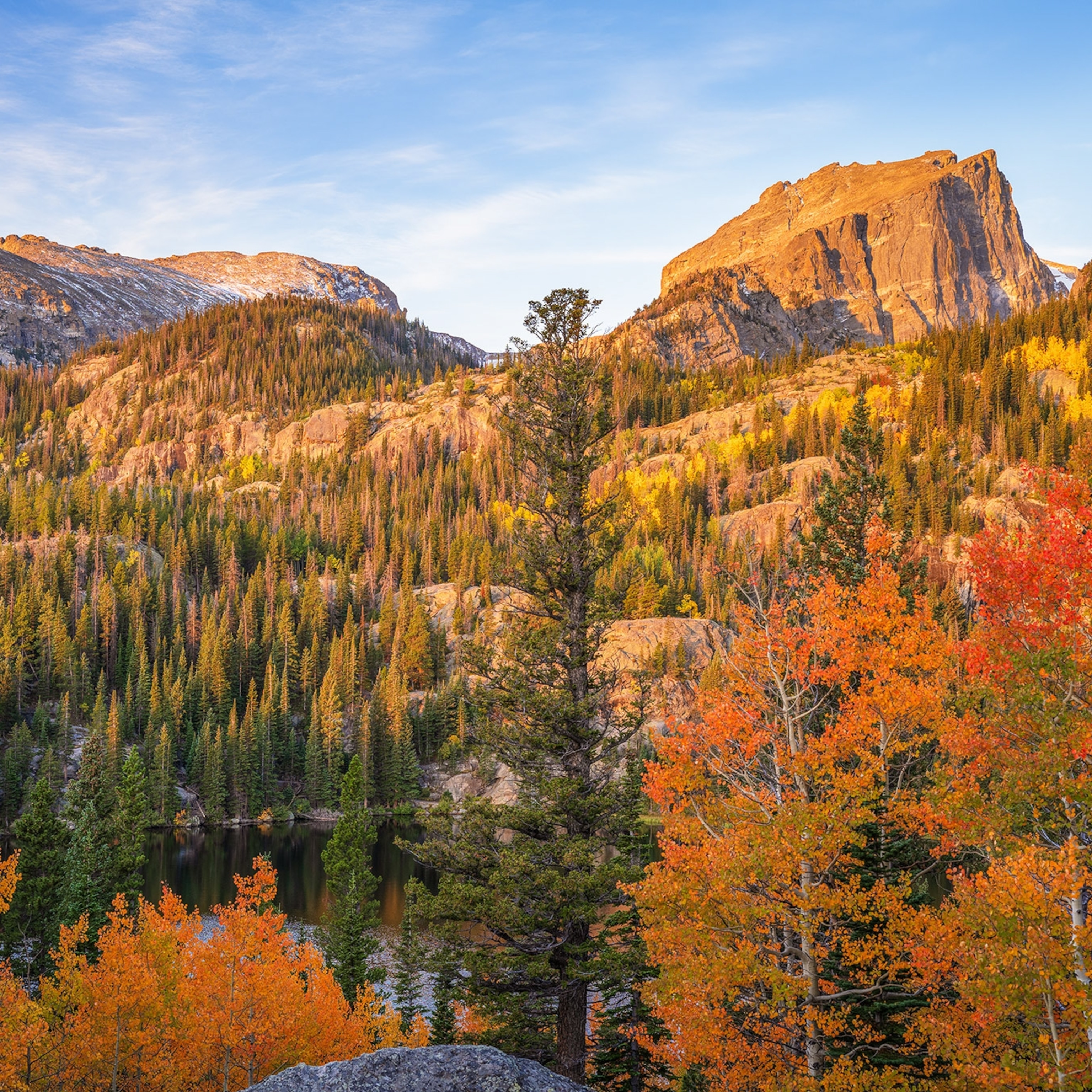
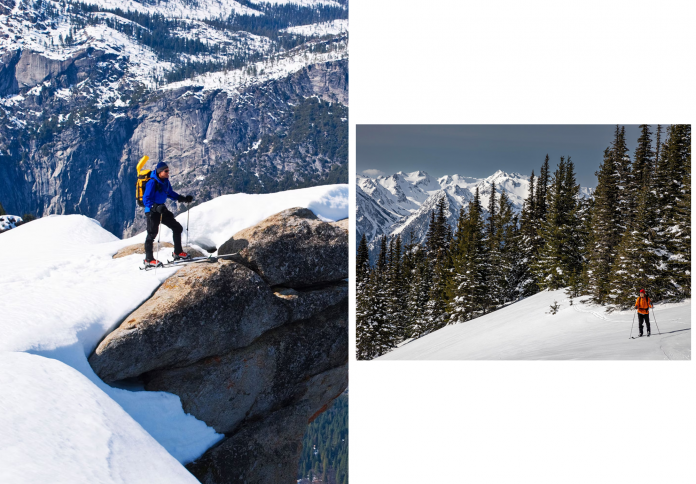
In the winter, Hurricane Ridge transforms into a snowy playground for Nordic skiing and snowshoeing, though the road remains a weekend-only affair subject to the whims of the Olympic weather. During the summer, the ridge is the best place to spot the Olympic marmot, a social, whistling rodent found nowhere else on Earth. As you stand on the summit of Hurricane Hill, looking north toward Canada across the Salish Sea and south into the heart of the mountains, the sheer scale of the peninsula’s geological drama becomes clear—a high-altitude island of rock floating above a sea of green.
The Wild Coast: Where Forest Meets the Foam
The third pillar of the Olympic experience is its rugged Pacific coastline, a 73-mile strip of wilderness that remains one of the most primitive shorelines in the contiguous United States. At Rialto Beach and Kalaloch, the forest does not fade into the sea; it crashes into it. Massive Douglas firs, undercut by erosion, fall onto the sand to become bleached “ghost logs” that shift with the tides. Offshore, towering sea stacks—remnants of an ancient, eroding coastline—provide critical nesting habitat for rhinoceros auklets and bald eagles, while harbor seals and sea otters play in the protected kelp forests below.

The coastal experience is best captured through “tidepooling,” particularly at sites like Hole-in-the-Wall. As the water recedes, it reveals vibrant mini-ecosystems filled with bright green anemones, purple sea stars, and scuttling crabs. For the more adventurous, the “Ozette Triangle” offers a nine-mile trek through cedar bogs and along the shoreline, passing the Wedding Rocks petroglyphs carved by the Ozette people centuries ago. It is a place of raw, elemental power, where hikers must carefully time their movements with the tides to avoid being cut off by the rising Pacific.
A Legacy of Restoration: The Elwha and Beyond
The story of Olympic National Park is also a story of ecological healing. The park recently oversaw the largest dam removal project in history on the Elwha River, a monumental effort to restore the river’s natural flow and the historic salmon runs that have sustained the peninsula’s indigenous tribes for millennia. Today, the Elwha is a “living laboratory,” as the river reclaims its delta and salmon return to spawn in the mountain headwaters for the first time in a century. This spirit of restoration is woven into the park’s identity, acknowledging the deep cultural connection between the land and the eight tribes of the Olympic Peninsula.

As a designated International Biosphere Reserve, the park continues to grapple with the modern challenges of climate change and shifting weather patterns. Yet, its vast roadless interior remains a bastion of resilience. Whether you are soaking in the volcanic hot springs of Sol Duc, watching gray whales migrate past the Kalaloch bluffs, or marveling at the 624-foot depths of the glacially-carved Lake Crescent, Olympic offers a sense of “wildness as a necessity.” It is a place where the scale of the landscape humbles the visitor, reminding us of the enduring power of a world left to its own devices.