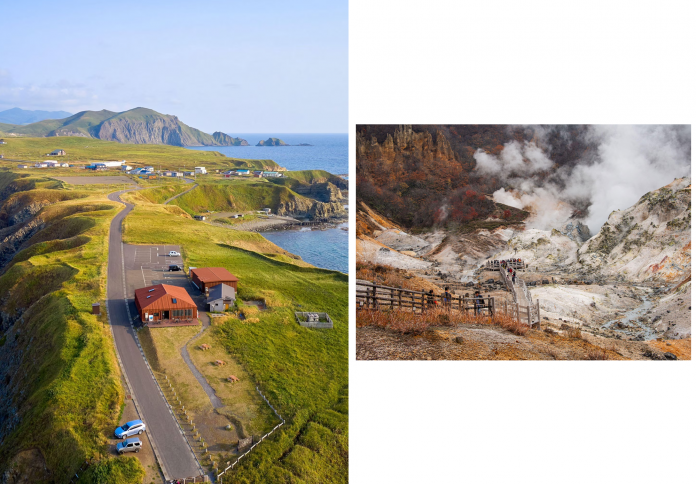
Beyond the neon-lit corridors of Tokyo and the ancient temples of Kyoto lies a realm where the geological fury of the Pacific Ring of Fire meets the biting winds of the Siberian steppe. Hokkaido, Japan’s northernmost frontier, serves as a dramatic counterpoint to the country’s more manicured landscapes. Here, nature is untamed and vast, home to active volcanoes, alpine tundras, and the Indigenous Ainu people who have long revered these lands as the “playground of the gods.” In winter, the island is transformed into a world of white, with drift ice choking the northern shores and powder snow burying the ancient spruce forests. For those seeking the “Real North,” Hokkaido’s national parks offer a sanctuary of silence and a chance to witness wildlife and landscapes that feel more like the Arctic than East Asia.
Daisetsuzan: The Playground of the Gods
Spanning over 560,000 acres, Daisetsuzan is Japan’s largest national park and the rugged heart of the island. Known to the Ainu as Kamui Mintara, or “The Playground of the Gods,” this volcanic massif contains some of the country’s most pristine alpine environments. Within its borders, 2,000-meter peaks like Mount Asahidake provide a habitat for rare species that survived the last Ice Age, including the pika—a small, mountain-dwelling mammal—and the translucent yellow alpine butterfly. The park is a vertical wonderland where, in a single day, one can transition from deep forests of Todo fir to high-altitude wetlands and dramatic gorges like Sounkyo, famed for its 800-foot waterfalls.
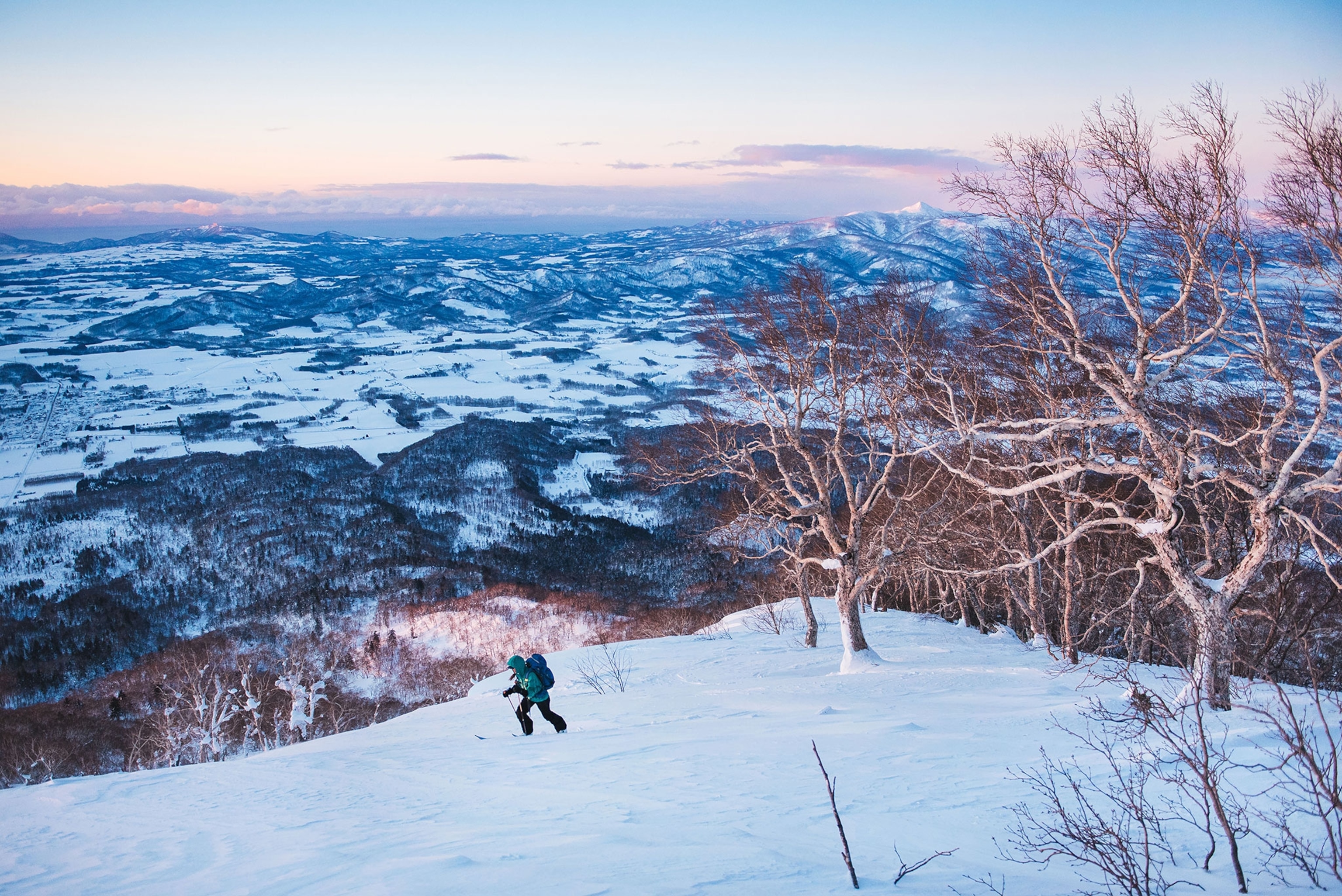
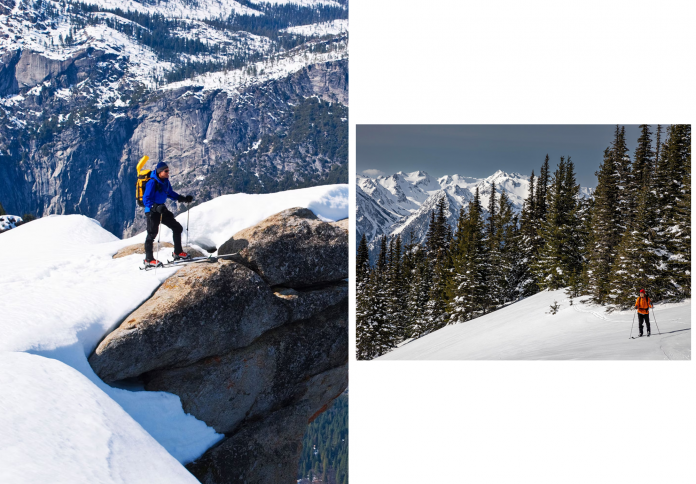
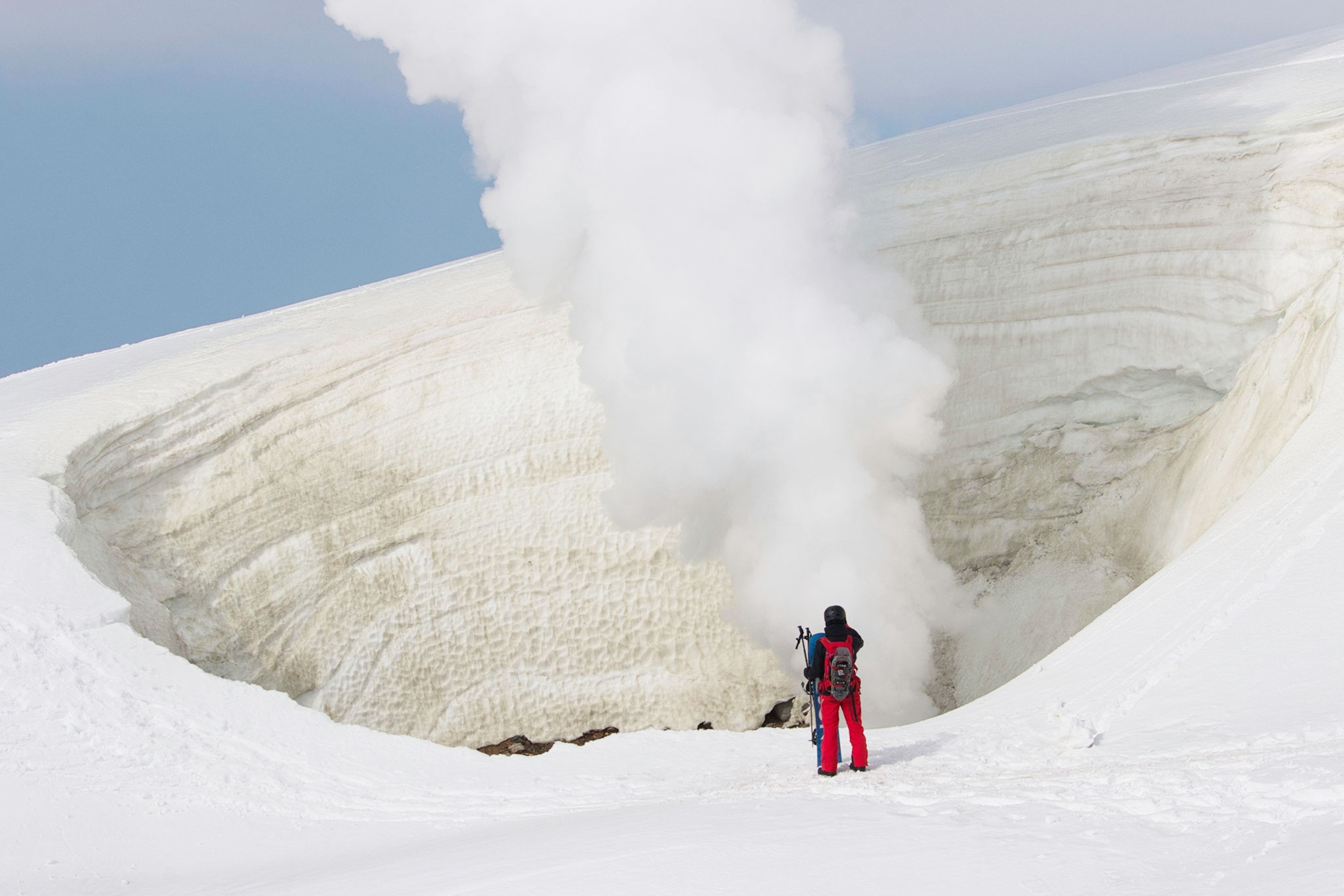
While the park is a hiker’s paradise in summer, winter turns Daisetsuzan into a “powder sanctuary.” From December to February, the volcanic vents of the mountains continue to steam, creating a surreal contrast against the deep snow. The Ainu belief that every element of nature contains a kamuy (spirit) feels particularly palpable here, especially as the sun sets over the steaming craters, illuminating a landscape that has remained largely unchanged for millennia.
Shiretoko: Where the Earth Ends
At the northeastern tip of Hokkaido lies the Shiretoko Peninsula, a UNESCO World Heritage site whose name literally translates to “The End of the World.” This is perhaps Japan’s wildest corner, a narrow finger of land where steep mountain ranges drop directly into the Sea of Okhotsk. Shiretoko is one of the few places in the world where visitors can witness the arrival of drift ice—freshwater ice from Russia’s Amur River that transforms the sea into a blanched landscape of mini-bergs. Guided “ice walks” allow the adventurous to don dry suits and trek across the frozen sea, often spotting Steller’s sea eagles perched on the floes.
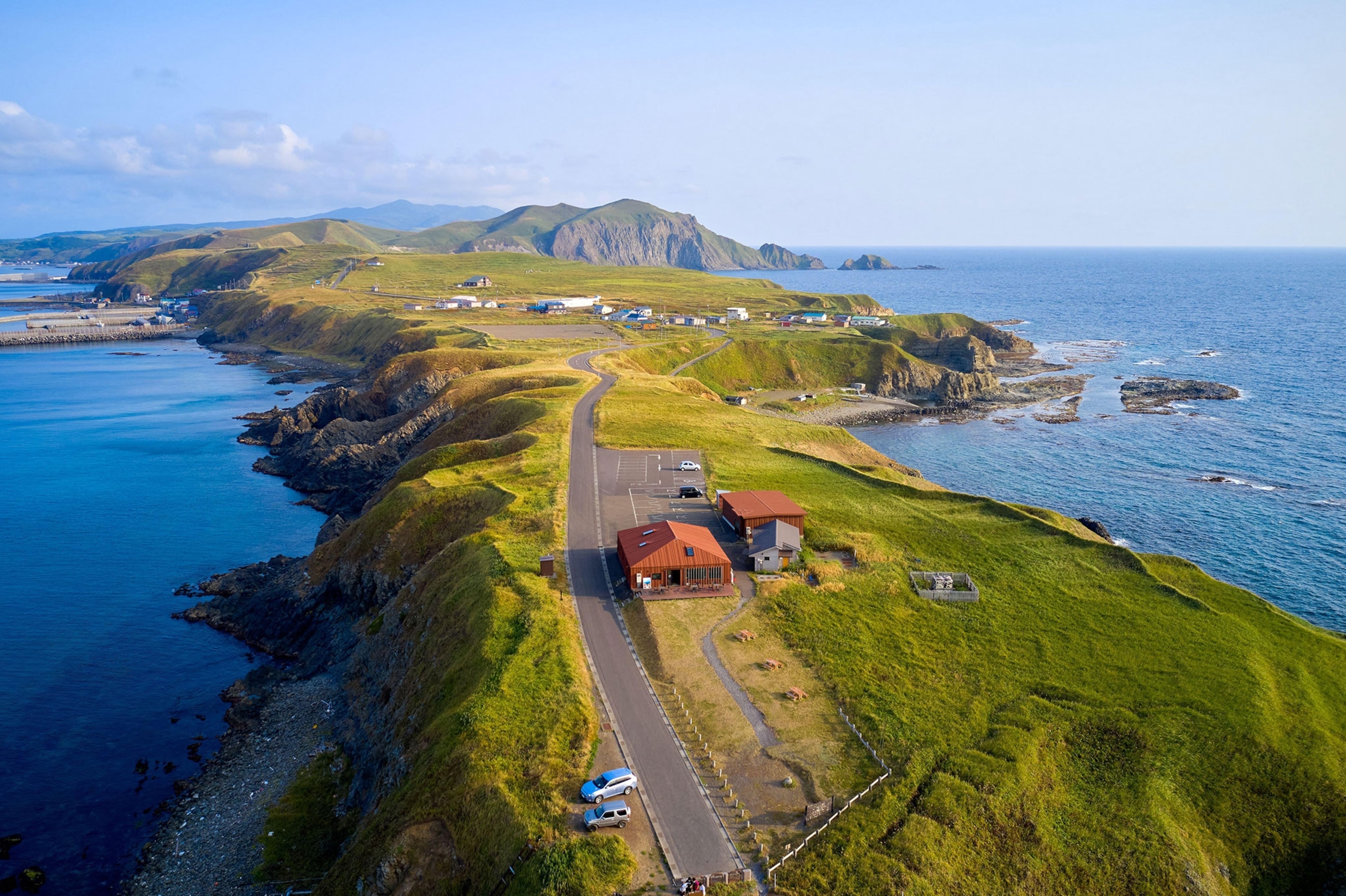
The peninsula is also a vital stronghold for the Ezo brown bear, one of the largest predators in Japan. Because much of the park is inaccessible by road, the best way to witness its rugged beauty is by boat, cruising past sheer coastal cliffs and hidden waterfalls that are otherwise unreachable. It is a place of raw ecological power, where the lifecycle of the salmon in the rivers supports a dense population of foxes, deer, and owls, maintaining a delicate balance that has existed since long before the first settlers arrived.
Shikotsu-Toya and the Healing Waters
For those seeking a more contemplative connection with the land, Shikotsu-Toya National Park offers a landscape defined by water and fire. Located in southwestern Hokkaido, the park is famous for its massive caldera lakes—Lake Toya and Lake Shikotsu—which are so deep and geologically active that they rarely freeze, even in the depths of winter. The park is a testament to the island’s ongoing volcanic activity, with Mount Usu serving as a reminder of the earth’s volatile nature.
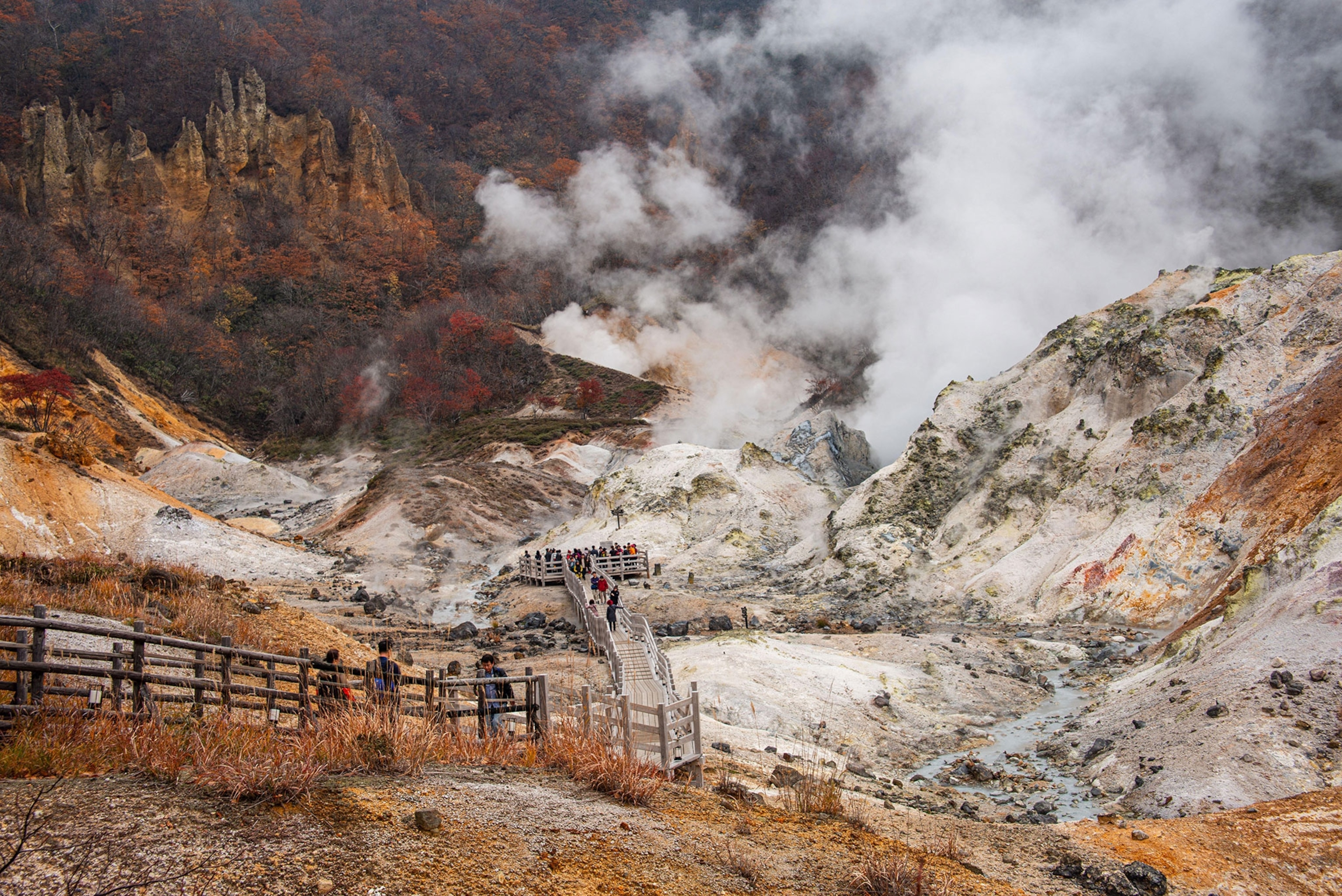
The primary draw for many visitors, however, is the “healing power” of the earth. The volcanic heat that fuels the mountains also feeds the natural hot springs of Noboribetsu and Jozankei. In the winter, soaking in an outdoor onsen while snow falls silently into the steam is a quintessential Hokkaido experience. These waters have been used for centuries to treat ailments and restore the spirit, offering a literal immersion into the island’s geological heart.
Rishiri-Rebun: The Floating Flower Islands
At the far northern tip of Japan, the twin islands of Rishiri and Rebun rise like emeralds from the sea. Rishiri-Rebun-Sarobetsu National Park is unique for its concentration of alpine flora at sea level, a result of the island’s high latitude. Rebun, known as “Floating Flower Island,” is home to over 300 species of wildflowers, including the endemic Rebun Lady’s Slipper Orchid, which carpets the island from May to August. Looming over the horizon is the perfectly conical Mount Rishiri, a dormant volcano that serves as a sentinel for the northern seas.
Across the water on the main island, the Sarobetsu Plain provides a vast, open wetland that serves as a critical stopover for migratory birds. In the spring and fall, thousands of Taiga bean geese and other avian travelers descend on the marshes, creating a spectacular display for birdwatchers. These northern reaches are characterized by a “slower pace,” where the coastal dunes and distant islands offer a sense of isolation and peace that is becoming increasingly rare in the rest of Japan.
The Resilience of the Ainu and the Winter Spirit
Ultimately, the national parks of Hokkaido are inextricably linked to the culture of the Ainu. For centuries, the Ainu lived in harmony with these harsh environments, developing a deep spiritual connection to the sika deer and the red-crowned cranes of the Kushiro Shitsugen wetlands. Today, there is a powerful revival of Ainu culture, with visitors able to learn about traditional carving, embroidery, and oral myths that explain the formation of the island’s volcanic peaks. To visit these parks is not just to see a landscape, but to acknowledge a way of life that views nature as a sacred, living entity.
As winter settles over the island, the parks “spring to life” in a way that most defines Hokkaido. Whether it is ice fishing on a frozen lake, skiing through the world-famous “Japow” (Japan powder), or watching red-crowned cranes perform their winter dance in the Tsurui sanctuary, the island offers an exhilarating escape. In a country known for its efficiency and density, Hokkaido remains the wild, breathing lung of Japan—a place where the gods still play and the wilderness still speaks.