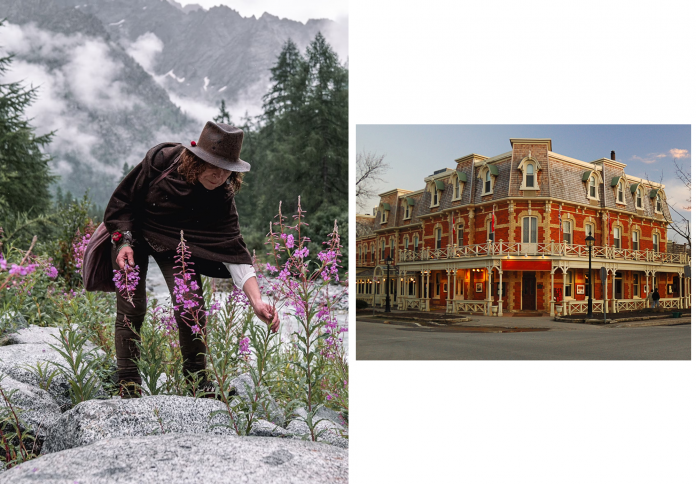
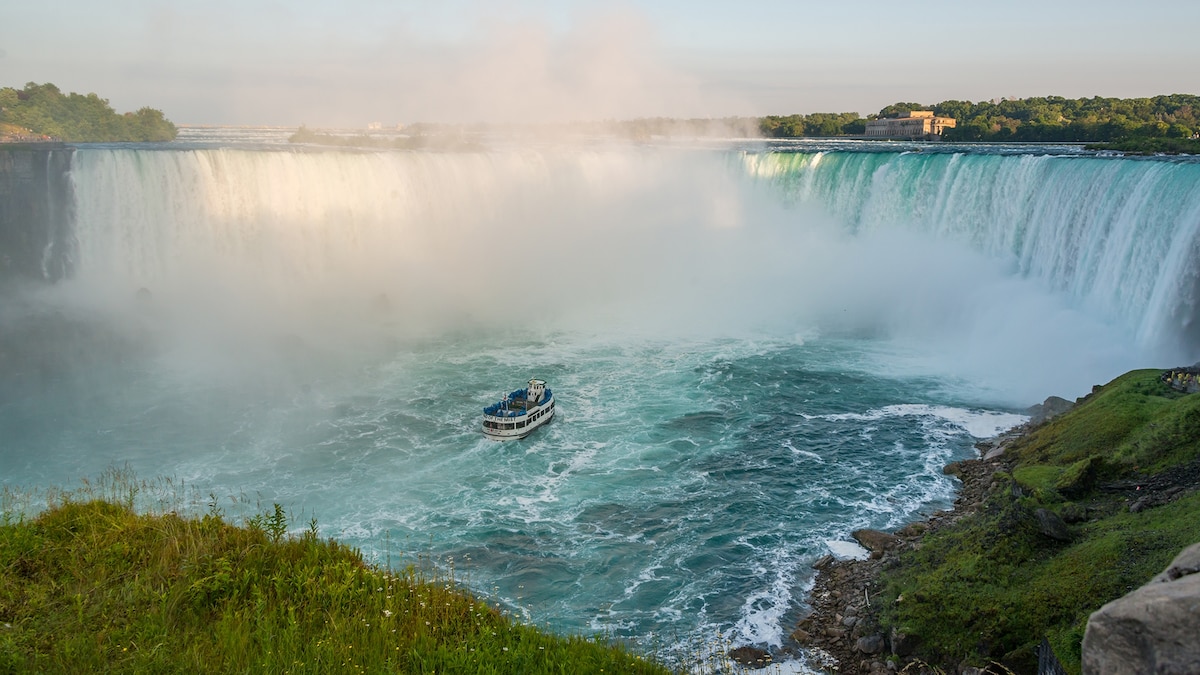
Just fifteen miles north of the thundering mist of the world’s most famous waterfall, the pace of the Niagara Peninsula shifts from a roar to a whisper. Niagara-on-the-Lake, often referred to simply as NOTL, is a town that feels as though it has been preserved in amber since the mid-19th century. As the first capital of Upper Canada, its streets are a living museum of Victorian architecture, meticulously maintained and bursting with seasonal blooms. While Niagara Falls offers the raw power of nature, Niagara-on-the-Lake offers its refinement—a landscape of fertile orchards, world-class vineyards, and a theatrical legacy that draws over a quarter of a million visitors annually to the renowned Shaw Festival. In 2026, it remains the ultimate “sophisticated sibling” to the Falls, a place where history, horticulture, and high-end viticulture converge.
The Heritage District: A Saunter Through Time
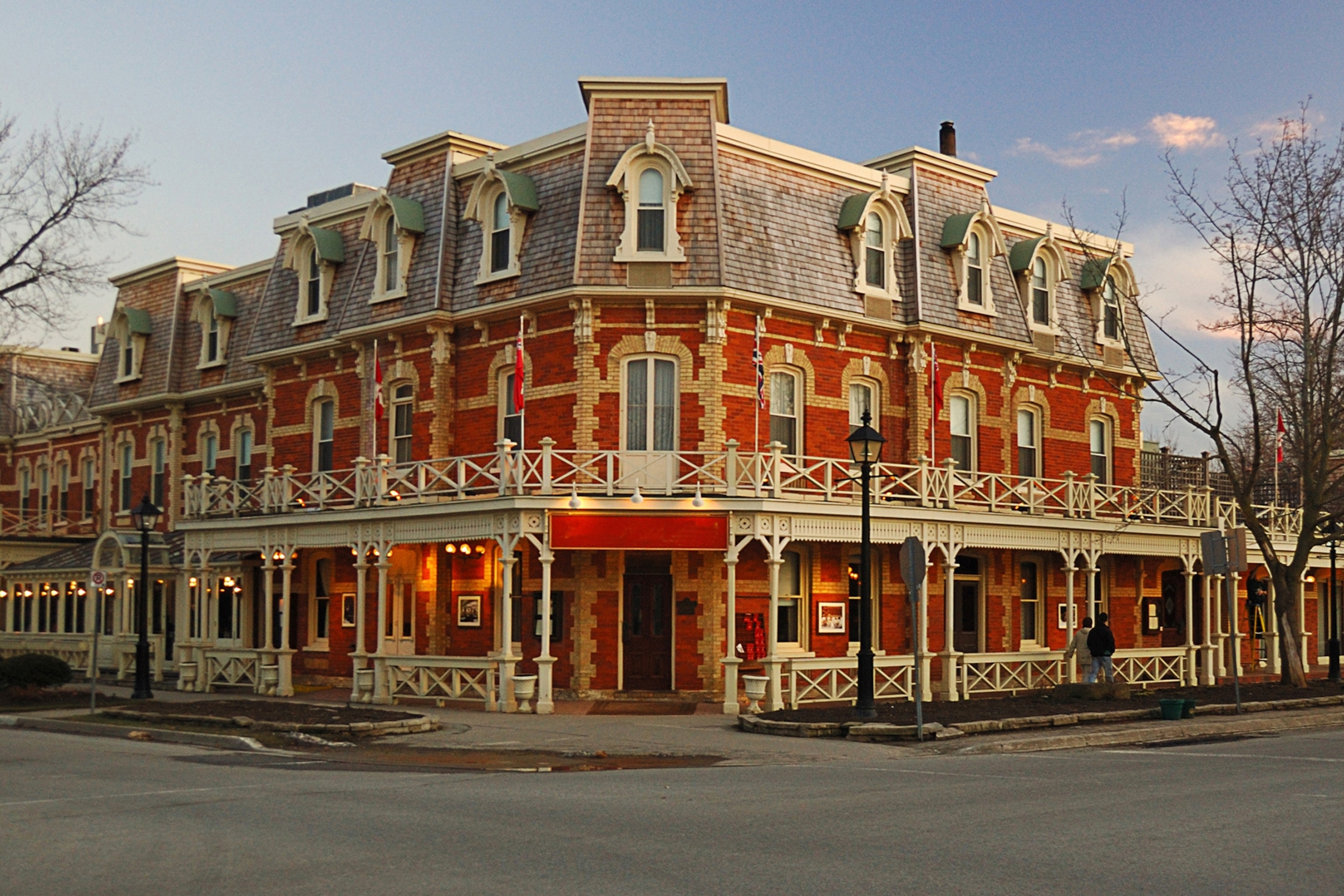
The heart of Niagara-on-the-Lake is its ornate Old Town, home to one of the best-preserved Victorian streetscapes in North America. Most visitors begin their journey on Queen Street, where wooden verandahs and wrought-iron lampposts frame a collection of whimsical boutiques, antique shops, and sun-drenched bistros. The centerpiece of this district is the Prince of Wales Hotel, a grand landmark that has hosted royalty and remains a symbol of the town’s enduring elegance. For a truly immersive experience, many choose to explore the arbored streets aboard a traditional horse-drawn carriage, a slow-moving vantage point that perfectly matches the town’s “unhurried” philosophy.
Beyond the retail charm, the town is home to the Niagara Apothecary Museum, an authentic recreation of an 1869 pharmacy. With its Italian-inspired architectural twists and shelves of hand-blown glass jars, it offers a fascinating glimpse into a time when leeches and tinctures were the standard of care. This commitment to preservation ensures that the town doesn’t just look old—it feels historical. Whether you are browsing for local preserves or simply admiring the bougainvillea-draped storefronts, the Heritage District serves as a reminder that some of the best travel experiences are found in the quiet details of a well-loved “old world” village.
The Shaw Festival: Wit and Passion on Stage
While the town’s architecture is its body, the Shaw Festival is its soul. Running from April to October, this world-class theatre festival is dedicated to the works of George Bernard Shaw and his contemporaries. With over ten productions performed across four distinct venues—including the flagship Festival Theatre and the intimate Royal George—the festival is a cornerstone of Canadian culture. In 2026, the repertoire continues to expand, blending classic 19th-century wit with modern plays that provoke and inspire. It is a rare opportunity to see a resident acting company of such high caliber performing in a setting that matches the era of the scripts.
The festival’s influence extends beyond the stage and into the very rhythm of the town. During the performance season, the streets hum with an intellectual energy as theatergoers spill out of matinees into nearby tea rooms and garden patios to discuss the day’s drama. For those who want a deeper look, the festival offers “behind-the-scenes” tours and workshops, revealing the intricate craft of costume design and set construction that brings the Victorian era to life. It is this marriage of high art and small-town charm that distinguishes Niagara-on-the-Lake from any other destination in the province.
A Toast to the Peninsula: Wineries and Icewine
Niagara-on-the-Lake is the gateway to Ontario’s premier wine country, a unique microclimate kept warm by the waters of Lake Ontario and fertile by ancient glacial deposits. The region boasts nearly 40 wineries, ranging from sprawling estates like Peller Estates and Two Sisters Vineyards to boutique family-run operations. Visitors can spend an afternoon sampling the crisp Rieslings and bold Cabernet Francs that have put the Niagara Peninsula on the global viticultural map. Many wineries offer immersive “Vine to Wine” tours, where guests can walk through the rows of grapes before descending into stone cellars for a tasting of award-winning vintages.
Perhaps the region’s most famous export is its Icewine—a “liquid gold” dessert wine made from grapes that have naturally frozen on the vine. For two weeks every January, the Niagara Icewine Festival transforms the town into a winter wonderland, featuring outdoor ice bars and gourmet food pairings. Even in the warmer months, the “10 Below Icewine Lounge” at Peller Estates allows visitors to don parkas and enter a literal igloo to sample this chilled delicacy. Whether you are an amateur enthusiast or a seasoned sommelier, the peninsula’s commitment to “farm-to-glass” excellence makes every tasting an education in the terroir of the Great Lakes.
Fort George and the Echoes of 1812
To understand Niagara-on-the-Lake is to understand its strategic past. Located at the confluence of the Niagara River and Lake Ontario, the town was a pivotal site during the War of 1812. Today, the Fort George National Historic Site offers a window into this tumultuous era. Visitors can witness red-coated soldiers performing musket demonstrations and learn about the daily lives of the men and women who defended the frontier. The fort’s winding internal structures and reconstructed barracks provide a stark, powerful contrast to the manicured gardens of the modern town, reminding travelers that this “peaceful escape” was once a hard-won stronghold.
The town’s history also holds a deeper, more poignant layer as an essential link in the Underground Railroad. The Voices of Freedom Park honors the enslaved people, soldiers, and Black settlers who found sanctuary here. Using a free mobile app, visitors can follow a map of safe houses and memorials, including the site where Harriet Tubman once operated. This layer of NOTL’s identity—as a beacon of freedom—adds a profound dimension to the town’s character. It is a place that has not only witnessed the making of a nation but has served as a sanctuary for those seeking a new life on the edge of the Canadian wilderness.