For centuries, the rolling green hills of Southern England were defined by their ancient drovers’ paths, flint-stone villages, and the stoic presence of grazing livestock. However, a quiet revolution is taking root beneath the chalky soil of South Downs National Park. Once overlooked in favor of continental giants like Champagne or Bordeaux, this landscape—Hampshire, East Sussex, and West Sussex—is rapidly transforming into a premier retreat for wine enthusiasts. As climate patterns shift and viticulture techniques evolve, the region’s neat rows of grapevines are doing more than just altering the scenery; they are producing award-winning sparkling whites and sophisticated pinot noirs that rival the best in the world. For the modern traveler, South Downs now offers a perfect harmony of rugged outdoor adventure and refined Epicurean indulgence, making it the UK’s most compelling new viticultural destination.
A Landscape Shaped by Ancient Chalk and Modern Ambition
Established only in 2010, South Downs is England’s newest national park, yet its geological foundation is millions of years old. The park’s defining feature is its “white gold”—the vast swathes of chalk hills that dip and crest toward the English Channel. This specific soil composition is remarkably similar to that of the Champagne region in France, providing the excellent drainage and mineral profile necessary for producing high-quality grapes. While the Romans first introduced vines to these slopes over two millennia ago, the industry has seen a meteoric rise in just the last decade.
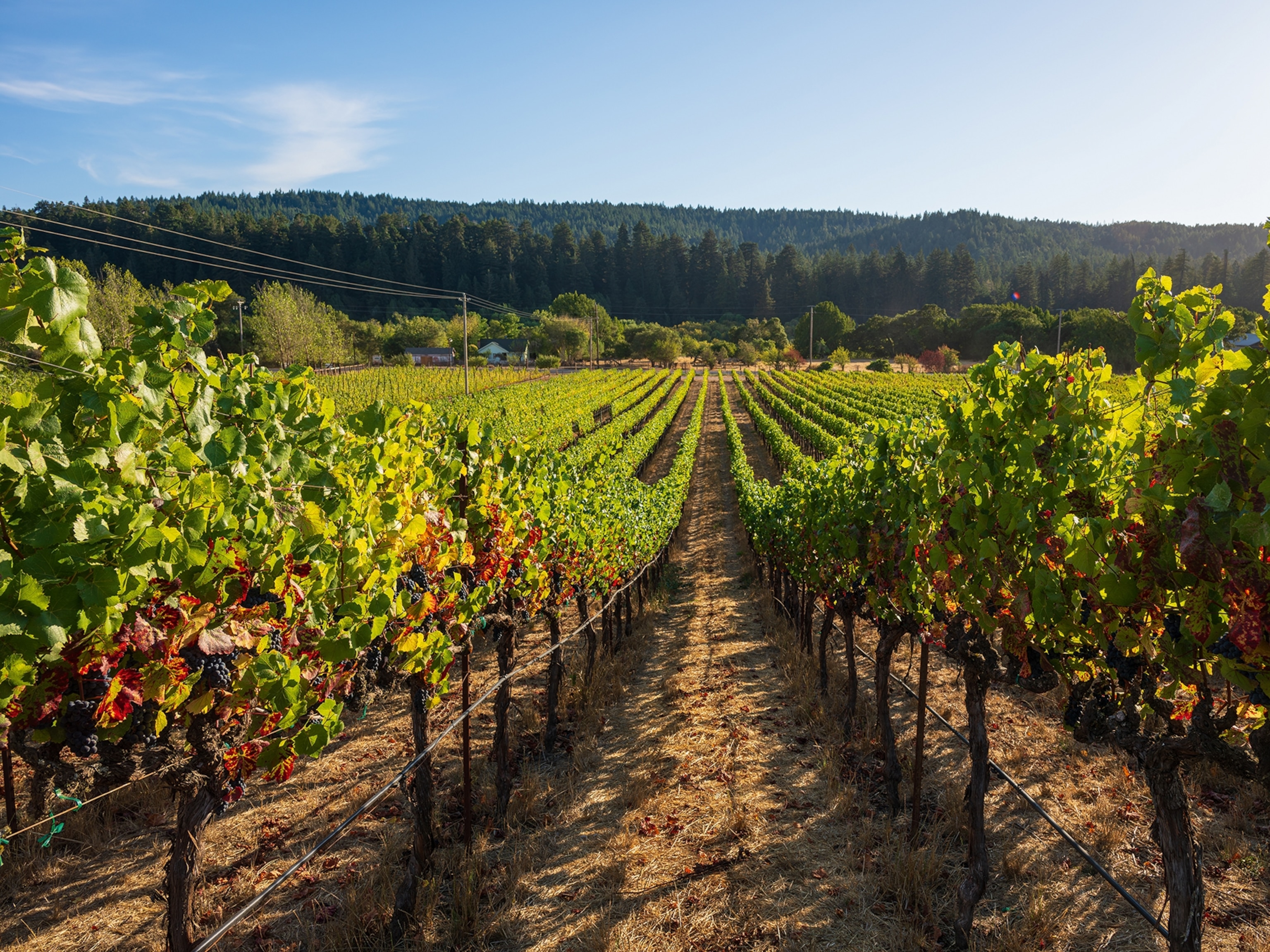
Today, the landscape is a patchwork of tradition and innovation. Kestrels ride thermals over Neolithic forts and Roman villa remnants, while just a stone’s throw away, state-of-the-art wineries utilize the latest technology to harness the unique terroir. This blend of deep history and fresh ambition has created a “boom” that is hard to ignore. With over 50 vineyards now calling the park home, the South Downs has effectively transitioned from a quiet rural escape into a sophisticated hub for global wine tourism.
From Vine to Glass: The Rise of English Sparkling Wine
The heart of the South Downs’ appeal lies in the glass. The region has gained international acclaim primarily for its sparkling wines, which have frequently bested French counterparts in blind tastings. Wineries like Kinsbrook, located near West Chittington, exemplify this new era of English viticulture. Visitors can walk through the vineyards to see the pinot noir and chardonnay grapes firsthand before heading to the tasting rooms to sample the finished product. The experience is intimate and educational, offering a direct connection to the land that produced the wine.
Viticulture in the park is not just about the science of fermentation; it is about a lifestyle that celebrates local provenance. Many wineries have expanded their offerings to include high-end delis and restaurants that feature regional delicacies. At Kinsbrook, for instance, the wine is paired with artisanal cheeses and meats, ensuring that the “wine lover’s retreat” is also a culinary one. This holistic approach to tourism allows visitors to spend their days exploring the nuances of different vintages while surrounded by the very hills that gave them life.
Heritage Trails and Roman Mosaics: Adventure Beyond the Bottle
While the wine is a major draw, South Downs remains a paradise for those who seek to balance their indulgence with physical activity. The park is crisscrossed by old drovers’ paths and Roman roads, offering endless opportunities for hiking and cycling. One of the most iconic routes is the South Downs Way, a 100-mile National Trail that strikes through the park’s heart. For those looking for a shorter excursion, the Bignor Hill Circular Loop provides breathtaking “big-sky” views of the surrounding countryside, showcasing the vastness of the rolling heathland.

The intersection of nature and history is perhaps most evident at sites like the Bignor Roman Villa. After a morning of trekking, visitors can admire some of the most complete Roman mosaic floors in the country, a tangible link to the ancient civilizations that once inhabited this land. Similarly, the Weald & Downland Living Museum offers a journey through architectural history with over 50 rescued buildings. This variety ensures that a trip to South Downs is never one-dimensional; the physical beauty of the trails serves as the perfect palate cleanser between vineyard visits.
The Gastronomic Soul of the South Downs
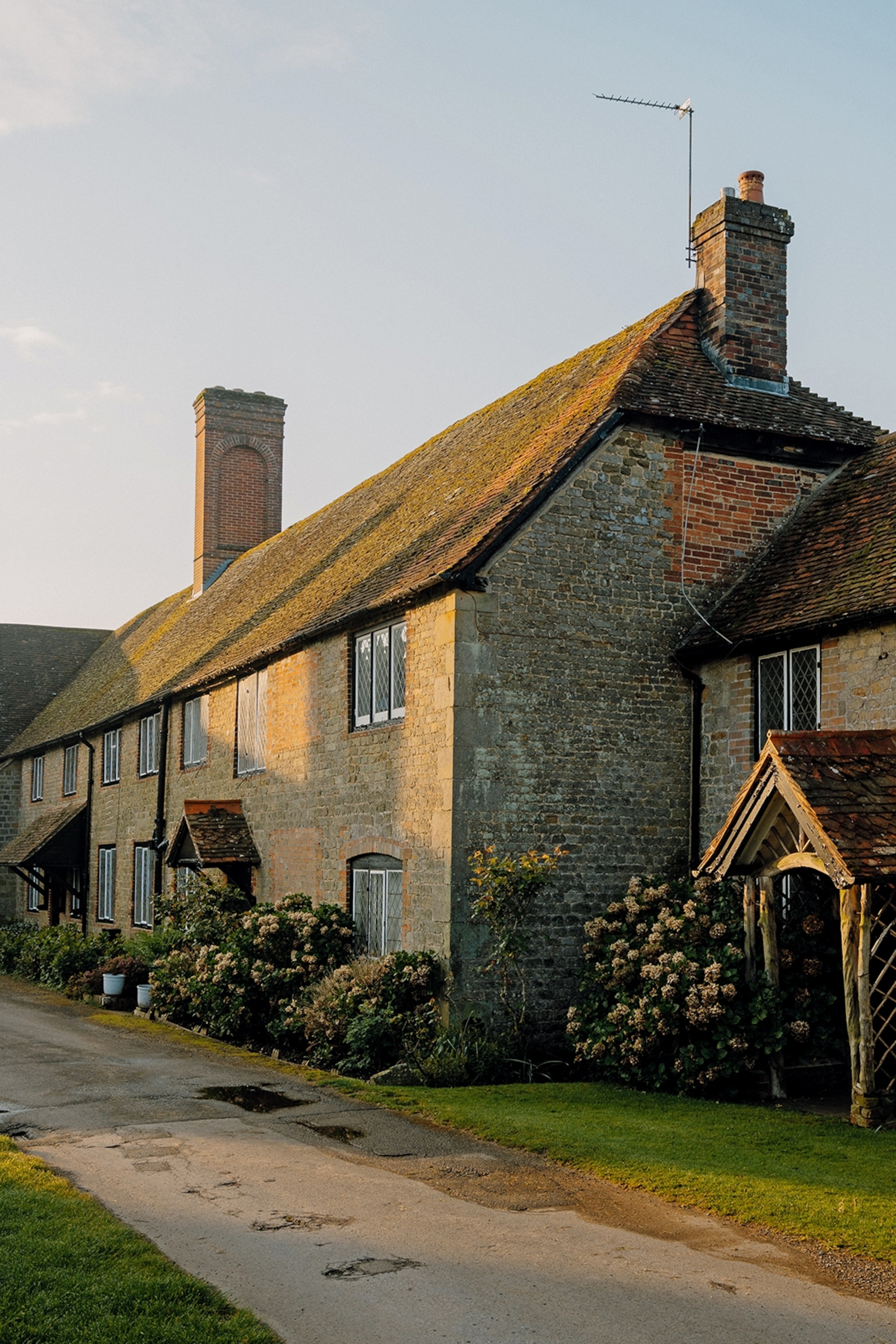
The commitment to local produce extends far beyond the vineyard gates and into the local inns and farm shops. The Cowdray Estate is a prime example, where the farm shop overflows with Sussex Charmer cheese and Wagyu sausages produced on-site. For a more traditional experience, the 14th-century Swan Inn in Fittleworth offers a cozy refuge. Here, the menu is a love letter to the region, featuring seasonal dishes like South Downs lamb and the historic Sussex pond pudding, a suet pastry delight that has sustained locals for generations.
Dining in the South Downs is characterized by an unpretentious excellence. Whether it is a fireside pint of local ale or a sophisticated multi-course meal paired with estate-grown sparkling wine, the emphasis remains on the quality of the ingredients and the stories of the people who produced them. This gastronomic culture creates a sense of place that is both comforting and exciting, reinforcing the park’s status as a top-tier destination for food and drink aficionados who value authenticity over artifice.
Sanctuaries in the Woods: Where to Rest Your Head
To fully immerse oneself in the South Downs experience, the accommodation options are as diverse as the landscape itself. For those who appreciate historic charm, The Swan Inn provides beautifully designed rooms with a modern country aesthetic. The inn serves as a welcoming cocoon after a day of “tramping” through the hills, complete with thoughtful touches like a Bloody Mary station at breakfast. It captures the essence of English hospitality—warm, refined, and deeply connected to its surroundings.

For travelers seeking total seclusion, the Treehouse Retreats outside Midhurst offer a more ethereal experience. These immaculate cabins are tucked away in the woodland, constructed from natural materials and decorated with antique touches. With underfloor heating and outdoor baths on the deck, these retreats allow guests to listen to the rustles of the forest while soaking under the stars. Whether choosing a stable-block suite or a luxury treehouse, the emphasis is on slowing down and connecting with the natural rhythm of the park, providing the perfect end to a day of exploration and tasting.