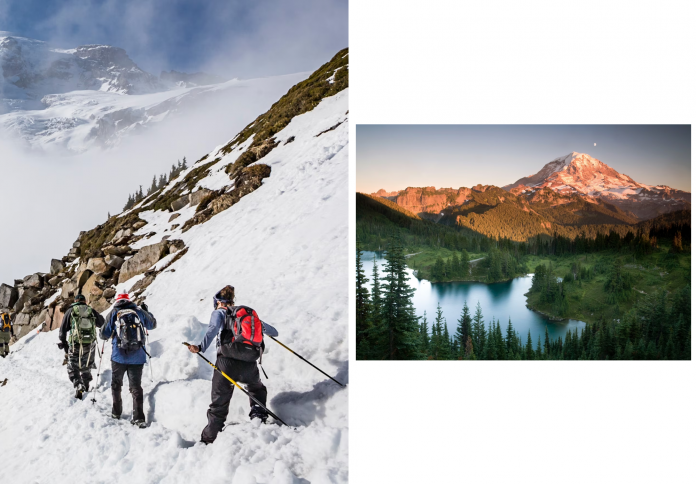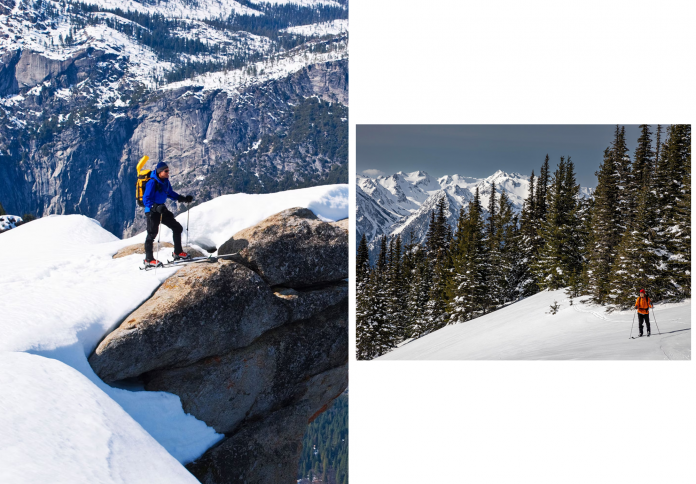
While the vast majority of visitors to America’s national parks arrive with hiking boots and cameras in the height of summer, a small and dedicated group of enthusiasts waits for the first deep freeze to bring out their skis. Within the boundaries of some of the country’s most protected landscapes—Yosemite, Olympic, and Cuyahoga Valley—lie “grandfathered” ski areas that offer a radical departure from the crowded, high-priced resorts of the modern era. These are places where snowmaking is often prohibited, chairlifts are a luxury, and the vertical drop is measured in hundreds, not thousands, of feet. Yet, for those who seek a connection to the roots of winter recreation, these secret slopes provide a rare opportunity to carve through pristine forests while looking out over world-famous granite peaks and coastal horizons.
Yosemite’s Badger Pass: California’s Oldest Winter Tradition
Nestled at 7,200 feet along the Glacier Point Road, Badger Pass Ski Area is a living piece of American history. Opened in 1935, it holds the distinction of being the oldest ski area operating within a U.S. national park—a legacy born from Yosemite’s original bid to host the 1932 Winter Olympics. Unlike the corporate-owned resorts that dominate the Sierra Nevada today, Badger Pass remains a community-focused outpost where lift tickets are remarkably affordable and seniors over 70 ski for free. It is a place where “toddlers and longtime elders” gather to celebrate the season, anchored by traditions like the Yosemite Nordic Holiday Race, which has been held since 1969.
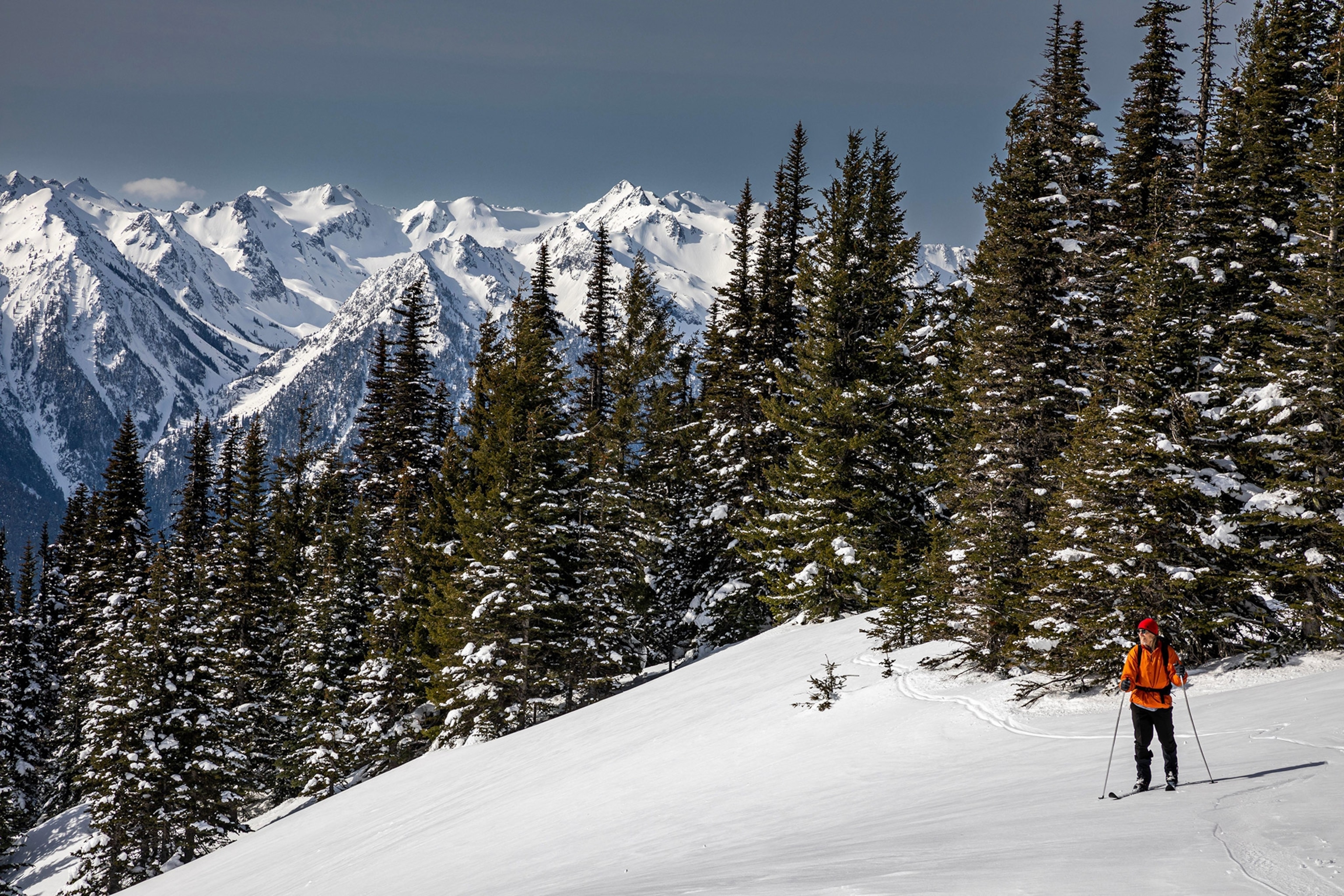
Because the National Park Service prohibits artificial snowmaking to protect the fragile meadow ecosystems beneath the slopes, Badger Pass is entirely at the mercy of the Sierra winter. In low-snow years, the area serves as a gateway for Nordic skiers seeking the world-famous overlook at Glacier Point. In “epic” winters, however, the snowfall can be transformative; in March 2023, the drifts reached the lodge’s second floor. This dependence on natural cycles ensures that a day at Badger Pass feels less like a commercial transaction and more like a participation in the wild, unpredictable rhythm of the high mountains.
Hurricane Ridge: Sea-Level to Ski-Level in Thirty Minutes
Nearly a thousand miles to the north, in the heart of Washington’s Olympic National Park, Hurricane Ridge offers what historians call an “upside-down” ski experience. The journey begins at the waterfront in Port Angeles and climbs over 5,000 feet in just half an hour, leading to a summit where the view stretches from the Pacific Ocean to Vancouver Island. Since its opening in 1958, the ridge has been managed by a dedicated nonprofit club that keeps the grassroots spirit of the sport alive. With only two rope tows and a single Poma lift serving 620 vertical feet, it is a modest operation that punches well above its weight in terms of challenge.
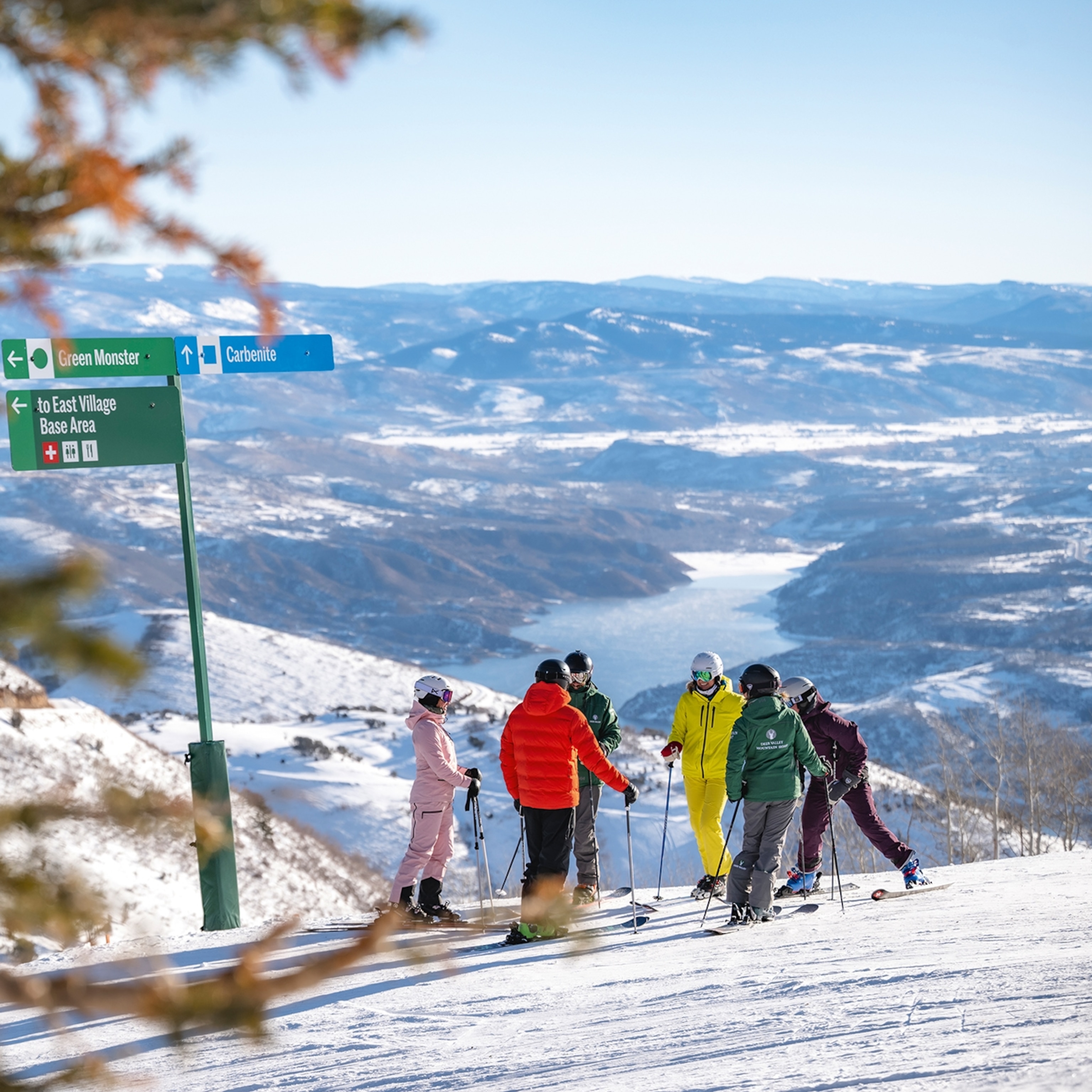
Experts often find themselves humbled by “The Face,” a steep section of narrow chutes and gladed runs that would not be out of place at a much larger resort. Yet, Hurricane Ridge is most famous for its community resilience. After losing its historic day lodge to a fire in 2023, the ski area is currently in the early stages of a federal rebuilding project, signaling the Park Service’s commitment to maintaining this “grandfathered” recreational hub. For the locals who frequent the slopes, the Ridge is a point of pride—a place where you can surf in the morning and ski “double black diamonds” before the sun sets over the Olympic peaks.
Cuyahoga Valley: Ohio’s Unexpected Alpine Hub
Perhaps the most surprising entry in the national park ski roster is Cuyahoga Valley in Ohio. Located less than an hour from Cleveland and Akron, the sister resorts of Boston Mills and Brandywine sit on private land that was eventually incorporated into the national park. These slopes predate the park’s federal designation, having served as a Midwest mainstay since 1963. Unlike their West Coast counterparts, these areas utilize modern snowmaking to ensure a consistent season, functioning as the valley’s primary “mountain playground” for residents of Ohio’s largest urban centers.
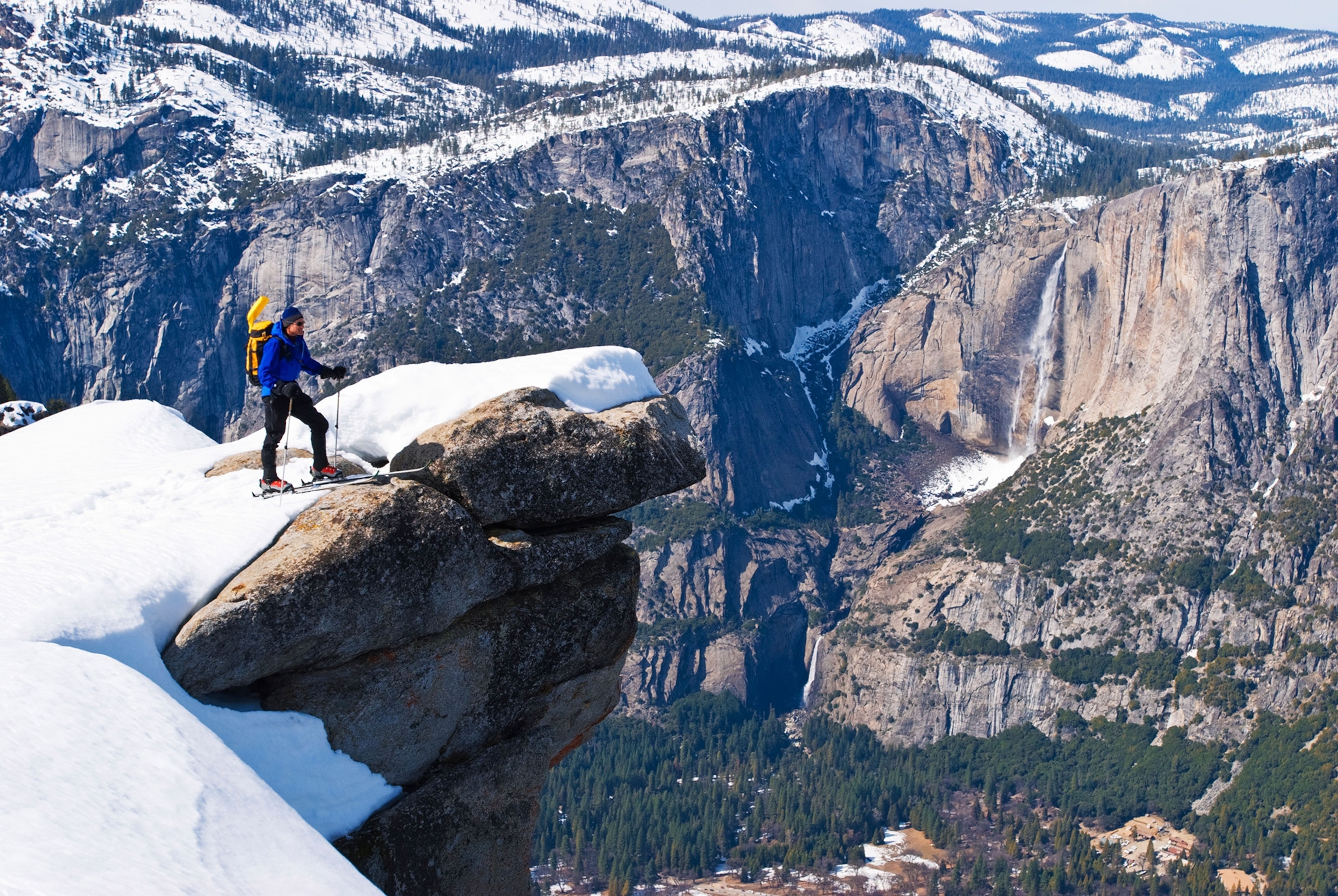
Boston Mills has evolved into the region’s freestyle hub, while Brandywine caters to families and first-timers with groomed, approachable terrain. The most unique feature of the Cuyahoga experience is its vibrant “night ski” culture. Floodlit slopes often stay open until midnight, drawing multigenerational crowds who see the park as a vital space for social connection during the long Ohio winters. It is a shared goal between the resort operators and the National Park Service to draw residents into the valley throughout the year, proving that a “national park experience” can be as much about a buzzing community as it is about silent wilderness.
The Ethos of the Small Slope: Why Loyalty Beats Spectacle
What unites these three disparate ski areas is a shared ethos of stewardship and accessibility. In an era where “spectacle” and high-speed lifts often define the winter sports industry, the national park slopes offer a poignant reminder that loyalty is the true engine of longevity. These areas serve as “outdoor classrooms” where local children from gateway communities like Mariposa or Tacoma learn to slide on snow for the first time, often through subsidized school programs. They are places where the heritage of the land is integrated into the sport, from the Ainu-influenced spiritualism of the Hokkaido slopes in Japan to the frontier history of the American West.
As climate change continues to make natural snow seasons more volatile, these ski areas face an uncertain future. Yet, their presence within the National Park System ensures a level of protection from commercial overdevelopment that other resorts lack. They are preserved not just for their vertical feet, but for the “sense of place” they provide. For the visitor who chooses Yosemite or Olympic for their winter holiday, the reward is an uncrowded, unpretentious experience—a rare chance to experience the majesty of the parks without the summer gridlock, where the only thing faster than the descent is the speed at which you fall in love with the winter wilderness.