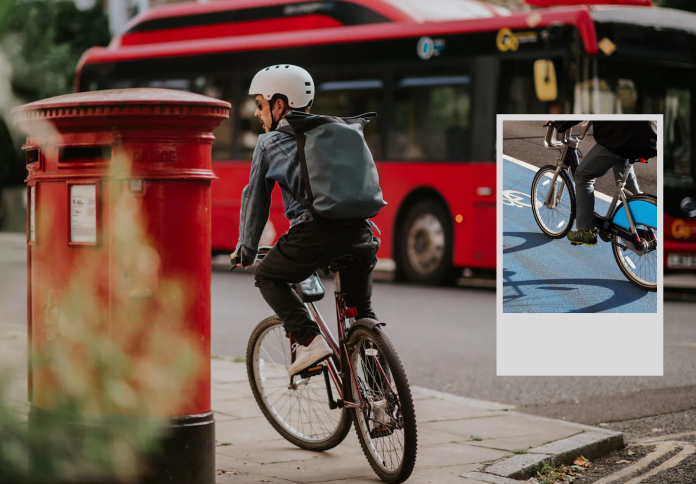
Cycling through London as a visitor is not just doable—it’s delightful. But with every Boris bike and Lime ride comes a shared responsibility: navigating the city’s fast-paced streets without annoying the locals. From choosing the right bike to understanding the unspoken rules of cycling etiquette, here’s how to see the capital on two wheels—safely, smoothly, and stylishly.
Rediscovering the city on two wheels
After decades away from the London bike scene, I returned not as a commuter, but as a tourist on a mission. The London I once knew—where cyclists dodged car doors and danced with double-decker buses—has evolved. Gone are the days of lawless lane-sharing; in their place, a network of cycle superhighways and a blossoming bike culture.
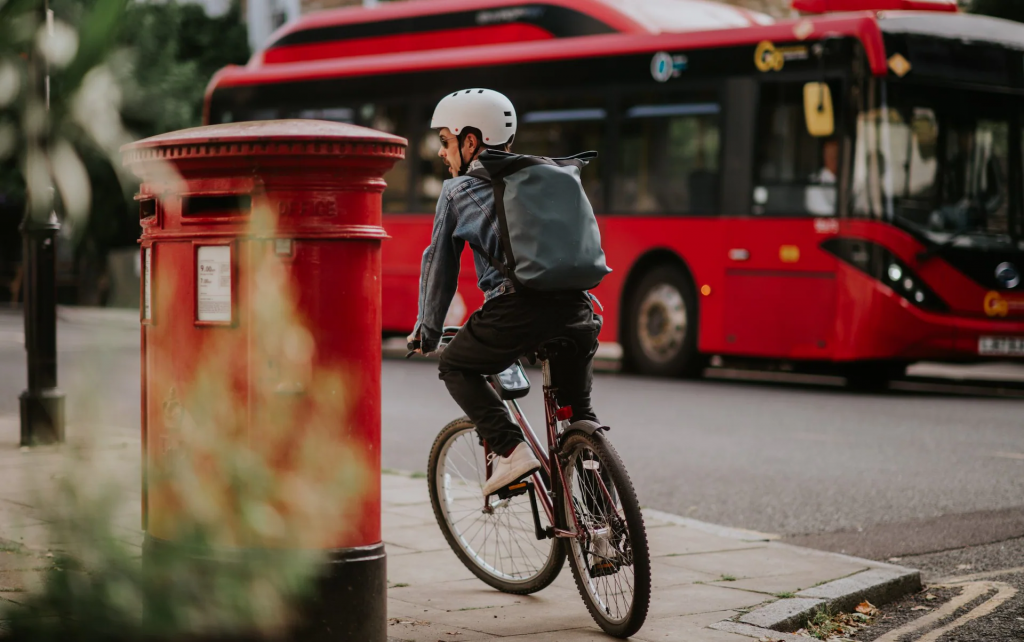
With the Santander Cycles app downloaded and a modest £3.50 day pass in hand, I set out from Paddington into the heart of the city. What followed was a 20-mile adventure through monuments, parks, and winding avenues. I wasn’t racing. I stopped often to swap bikes, sip a coffee, or simply take in the city from the saddle. On that sunny May afternoon, London was a vision of spring blossoms and VE Day flags—best admired from a gently rolling bicycle.
Choosing your wheels: Santander vs Lime
If you’re new to London cycling, your first question might be: which bike should I ride? The most accessible options are Santander Cycles (both pedal and electric) and Lime e-bikes.
Santander bikes—still affectionately called “Boris bikes”—offer great value for short trips. A day pass gets you unlimited 60-minute rides, and they’re surprisingly comfortable and easy to handle. The app makes it easy to locate docking stations, though availability of e-bikes can be hit or miss. For leisurely sightseeing, the pedal versions will do just fine.
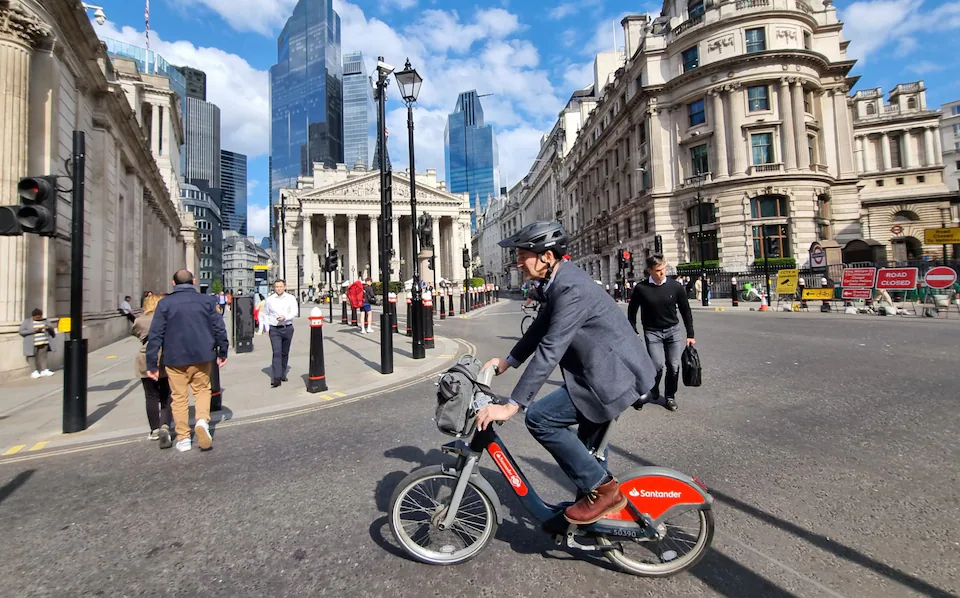
Lime e-bikes, on the other hand, are pricier but more powerful. At £6.99 for 60 minutes or £18.99 for 200 minutes, they come with useful features like phone mounts and built-in satnav guidance. The downside? They’re heavier and trickier in tight spaces, but you can park them anywhere legal—no docking required. You’ll also spot Forest and Dott bikes around the city, which operate similarly to Lime.
A city that cycles together
Cycling in London today is not a fringe pursuit—it’s a full-blown movement. Delivery riders dart through the streets with backpacks, bankers pedal in suits, and tourists cruise past palaces and pubs. In Chelsea, I watched a silver-haired couple glide past on a tandem. Later, I saw a cyclist with a coffin-sized cargo box up front. Quirky? Sure. But also telling: London rides, and it rides with personality.
Of course, no city is without hazards. I witnessed a few close calls, all cyclist-induced. At Vauxhall Bridge, one rider nearly collided with a police car, oblivious to sirens due to headphones. Later, at Marble Arch, two cyclists jousted at speed, ending in a clang of handlebars and heated words. These incidents remind us that even in a bike-friendly city, attention and courtesy are non-negotiable.
How to ride without causing a scene
Even the most scenic ride can go south if you don’t respect the locals. The golden rule? Blend in, don’t stand out. Londoners are used to a brisk cycling rhythm. As a tourist, it’s best to keep to the left, stay predictable, and avoid peak commute hours if possible.
Do give clear hand signals, stay in the cycle lanes, and always check behind you before changing lanes. If your bike has a bell, use it gently to alert pedestrians or fellow riders. At traffic lights, wait in the designated cycle box ahead of vehicles. Don’t weave, swerve, or ride with headphones. And above all, never block a pavement or path with a dockless bike—nothing will earn you a local’s ire faster.
Helmet use is surprisingly rare among locals, but if you’re unfamiliar with urban riding or plan to cycle after dark, it’s worth considering. A high-vis vest doesn’t hurt either. And yes, resist the temptation to run that red light—even if others do. Setting a good example goes a long way.
Essential tips for first time riders
To make the most of your ride, some simple prep goes a long way. First: charge your phone. The apps for both Santander and Lime are vital—not just for unlocking bikes, but for finding them in the first place. Navigation, too, is no easy task for first-timers. Before setting off, check out TfL’s cycling route planner or Visit London’s excellent bike guide.
When you approach a bike, inspect it. Are the tires firm? Do the brakes work? Is the saddle adjustable? A bell is always a plus. Once you’re rolling, keep a defensive mindset: scan parked cars for suddenly opening doors, avoid speeding, and stay alert. Remember: you’re not in a race, and your goal is to enjoy the journey, not beat the clock.
If your rented bike develops an issue, do everyone a favor—report it. Santander docking stations allow you to mark a bike as faulty with a long press of the “fault” button. It’s a small act, but one that keeps the system safe and reliable for everyone.
Cycling the capital with grace
London is no longer just a city you walk or drive—it’s a city best explored by bike. From Hyde Park to the Houses of Parliament, few modes of transport offer the same blend of freedom, visibility, and connection with your surroundings. Whether you’re pedaling past street performers on the South Bank or gliding through Kensington’s leafy lanes, you’re doing more than sightseeing—you’re becoming part of the city’s pulse. And the best part? You can do it all without annoying the locals. With a little awareness, a touch of etiquette, and a healthy dose of curiosity, cycling through London becomes not just a way to get around—but one of the most rewarding experiences of your visit.