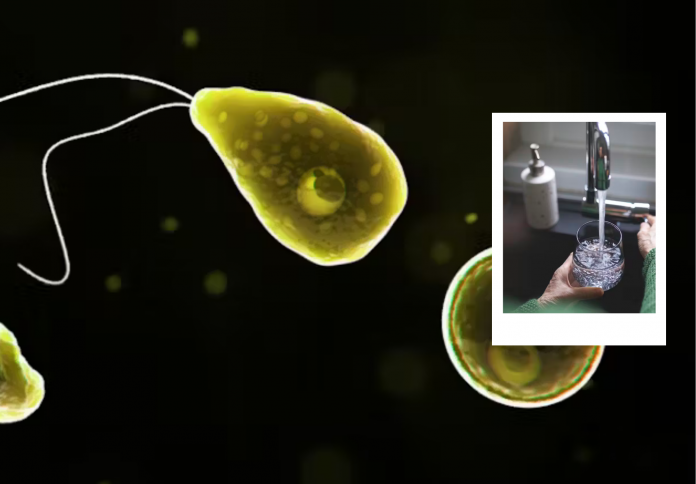
A rare but deadly microorganism known as a “brain-eating amoeba” was recently found in the drinking water supplies of two small towns in south-west Queensland, Australia. The amoeba, scientifically named Naegleria fowleri, was detected during a routine analysis of water samples in Charleville and Augathella. While this news sounds alarming, experts stress that the risk to the public is specific and, for most people, minimal. The key to understanding the danger lies not in drinking the water, but in how it enters the body. The route of infection is very unusual, and tragically, once symptoms of the resulting illness, primary amoebic meningoencephalitis, appear, the condition is almost always fatal.
A Rare and Deadly Microorganism
Naegleria fowleri is a microscopic organism found worldwide in warm freshwater environments such as lakes, rivers, ponds, and hot springs, typically thriving in temperatures between 25 and 40°C. If someone becomes infected with this amoeba, it can lead to a severe brain infection called primary amoebic meningoencephalitis, which is almost always fatal. The symptoms, which typically appear within three to seven days, include headaches, fever, neck stiffness, and confusion. Tragically, death usually occurs within about five days of the symptoms starting.
Despite its deadliness, infections are extremely rare. Between 1962 and 2024, the United States saw only 167 reported cases, with just four survivors. Australia has had 22 known cases up to 2018, which is the fifth-highest number globally. The rarity of the infection is due to its very specific and unusual mode of transmission.
The Unique Way the Amoeba Spreads
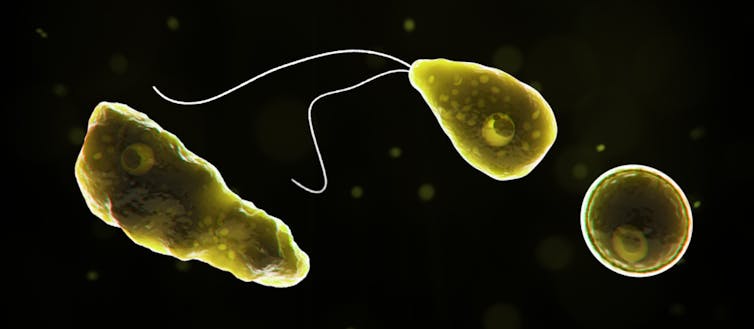
You cannot get a primary amoebic meningoencephalitis infection from drinking contaminated water. This is a crucial point that many people misunderstand. The amoeba infects a person’s brain by entering the body exclusively through the nose. From there, it travels through the nasal passages, crosses a protective membrane, and makes its way to the brain via the olfactory nerve, which is responsible for our sense of smell. Once in the brain, it kills brain tissue and causes severe swelling.
Most infections occur in children and young people who have been swimming or playing in infected freshwater. The majority of cases involve young males with an average age of 14, likely due to their more active water-based recreational habits. Activities that force water up the nose, such as jumping or diving into water, carry the highest risk. Cases have also been linked to less obvious activities, such as using a contaminated water “splash pad” or flushing nasal passages with contaminated tap water.
What’s the Risk in Drinking Water?
Given the specific route of infection, the presence of Naegleria fowleri in a town’s drinking water supply is not a direct threat from consumption. You cannot get sick from drinking or cooking with the contaminated water. The danger comes from any activity that allows water to enter the nasal passages. This includes taking a bath or shower, or even a child playing with a hose or sprinkler. To be safe, residents in affected areas are advised to carefully navigate any activity that could push water up their nose.
Water treatment facilities have strict guidelines and protocols for dealing with such contamination. Australian drinking water guidelines advise that if the amoeba is detected, the relevant health authorities should be contacted immediately, and disinfection protocols using chlorine and other compounds should be implemented. Public town water supplies across Australia are regularly tested to ensure they are safe, and the contamination of a large municipal supply is an extremely rare occurrence. While the specific source of the Queensland contamination is still under investigation, the drinking water itself is not the source of risk, but rather the way it is used.
Safeguards and Prevention
The key to preventing infection is to avoid getting contaminated warm freshwater up your nose. For residents in affected areas, this means being careful during baths and showers. If you use a saline solution to flush your nasal passages for allergies or congestion, you should use only a sterile, pre-packaged solution.
For recreational swimming, the rules are clear. The amoeba cannot survive in salt water, so swimming in the ocean is safe. For freshwater environments, such as lakes and rivers, you should keep your head above water and avoid jumping or diving. Using a nose-clip can also provide protection if you choose to swim with your head under the water. Properly maintained swimming pools with adequate chlorination are also considered safe, as the amoeba cannot survive in clean, cool, and chlorinated water.