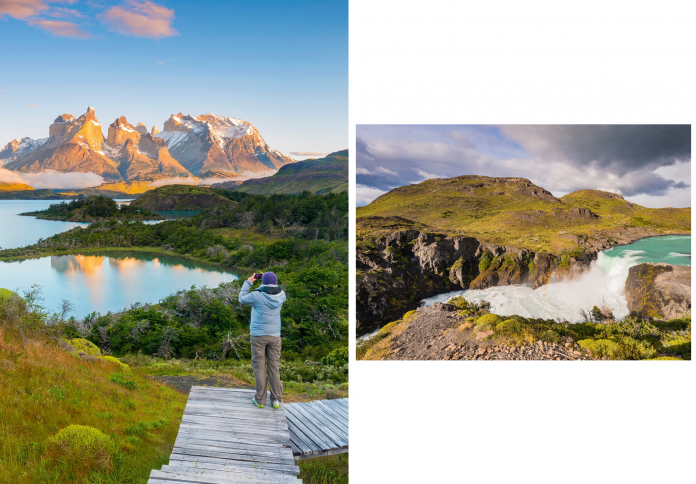
In the far southern reaches of Chile, where the Andes finally crumble into the sea, the transition between winter and summer creates a window of profound, soul-quieting beauty. While the crowds of the austral summer (December to February) flock to the iconic granite towers of Torres del Paine, those who arrive in the shoulder seasons—particularly October and April—discover a version of Patagonia that feels entirely their own. It is a time when the wind, though still capable of a ferocious howl, often drops to a whisper, and the “snow-bound cathedral” of the Paine massif rises above mirrored waters undisturbed by the wake of tour boats. Visiting during the off-season is not merely a logistical choice; it is a sensory one, where the landscape feels as though it is “waking up with you” in the crisp, golden light of a spring dawn.
Torres del Paine: Rediscovering the Wilderness Without the Wait
The centerpiece of Chilean Patagonia, Torres del Paine National Park, has become a victim of its own breathtaking fame. During the peak summer months, the famous “W Trek” can feel more like a suburban thoroughfare than a remote wilderness experience. However, in the off-season, the park returns to its roots as a sanctuary for the solitary explorer. The trails are thinner, the refugios are quieter, and the chance of a “one-on-one” interaction with the guides and park staff increases significantly. For many, the trade-off of cooler nights—often dipping below freezing—is a small price to pay for the ability to stand at the Base of the Towers without a hundred other hikers in the frame.
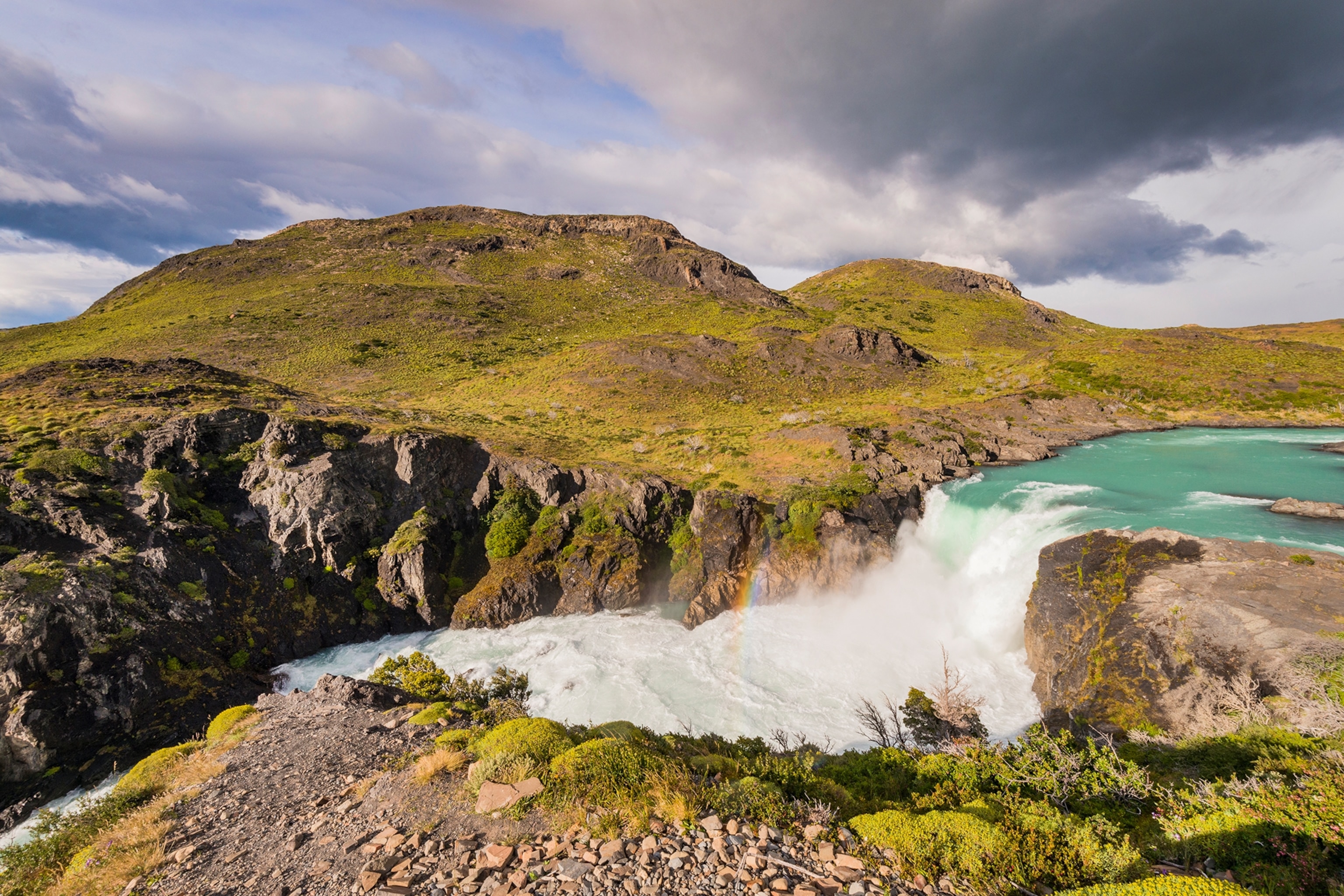
This “wilder” version of the park allows for a deeper connection with the terrain. Off-season visitors often find themselves following the tracks of the elusive puma rather than the footprints of other tourists. The landscape in October is particularly vivid, as gnarled lenga boughs begin to bud and scarlet gorse shrubs bloom in “fiery domes” at the feet of the granite peaks. This is the time when the “soul-quietening” view of the Paine massif, unburdened by the haze of summer dust and the noise of peak-season activity, truly reigns supreme.
The Seasonal Shift: A Symphony of Color and Wildlife
Patagonia’s off-season is a masterclass in natural drama. In the spring (September to November), the region undergoes a spectacular thaw. Wildflowers like the firebush and golden lilies begin to carpet the valleys, and migratory birds—including meadowlarks, finches, and the hawk-like caracaras—return to the skies. It is also the season of new life, where baby guanacos take their first tentative steps across the steppe and penguin colonies return to the shores. The atmosphere is one of anticipation, a “peaceful waking” that offers photographers a clarity of light that vanishes in the heat of mid-summer.
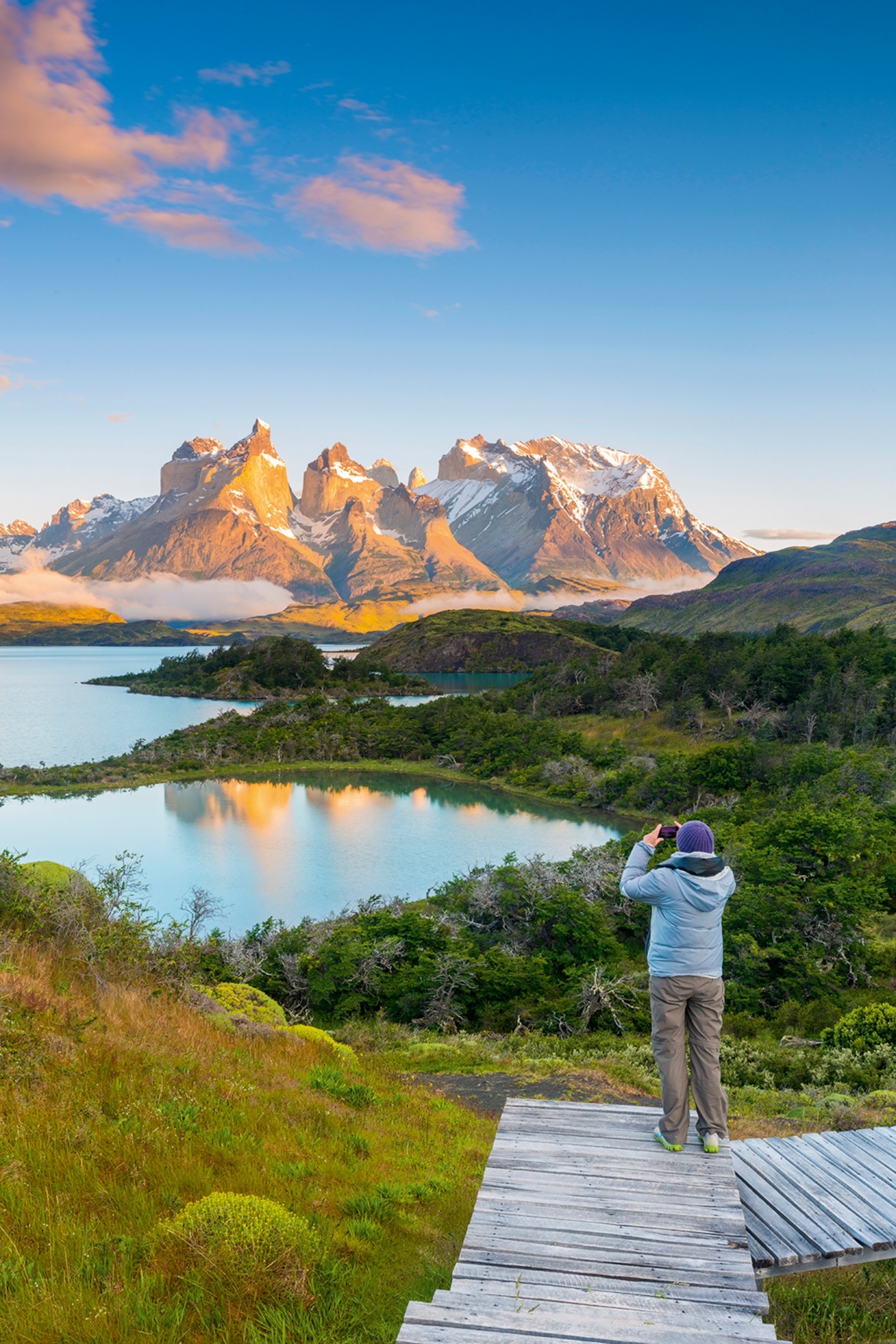
Autumn (March to May) offers an entirely different, yet equally compelling, palette. The forests of the Lake District and Tierra del Fuego turn into a riot of deep ochre, burnt orange, and crimson. While the winds begin to pick up toward May, the early autumn weeks provide mild days and “industrial-strength” sunsets that set the glaciers glowing with a prehistoric fire. Although some high-altitude trekking routes may close as the first snows of winter arrive, the lower trails remain open, offering crisp, clear hiking conditions that are perfect for those who prefer the sharp air of the mountains to the humidity of the valleys.
Practical Wisdom: Navigating the Edge of the World
Choosing to visit Patagonia in the off-season requires a shift in mindset and preparation. The region is famous for offering “four seasons in a single day,” a phenomenon that is amplified during the transition months. Hikers should arrive with high-quality layering systems, prepared for everything from brilliant sunshine to sudden snowstorms. While many facilities in the south begin to wind down or close entirely during the deepest winter months (June to August), the shoulder seasons still provide ample accommodation options, ranging from rustic frontier towns like Puerto Natales to premium sustainable lodges that remain open to capture the magic of the “in-between” seasons.
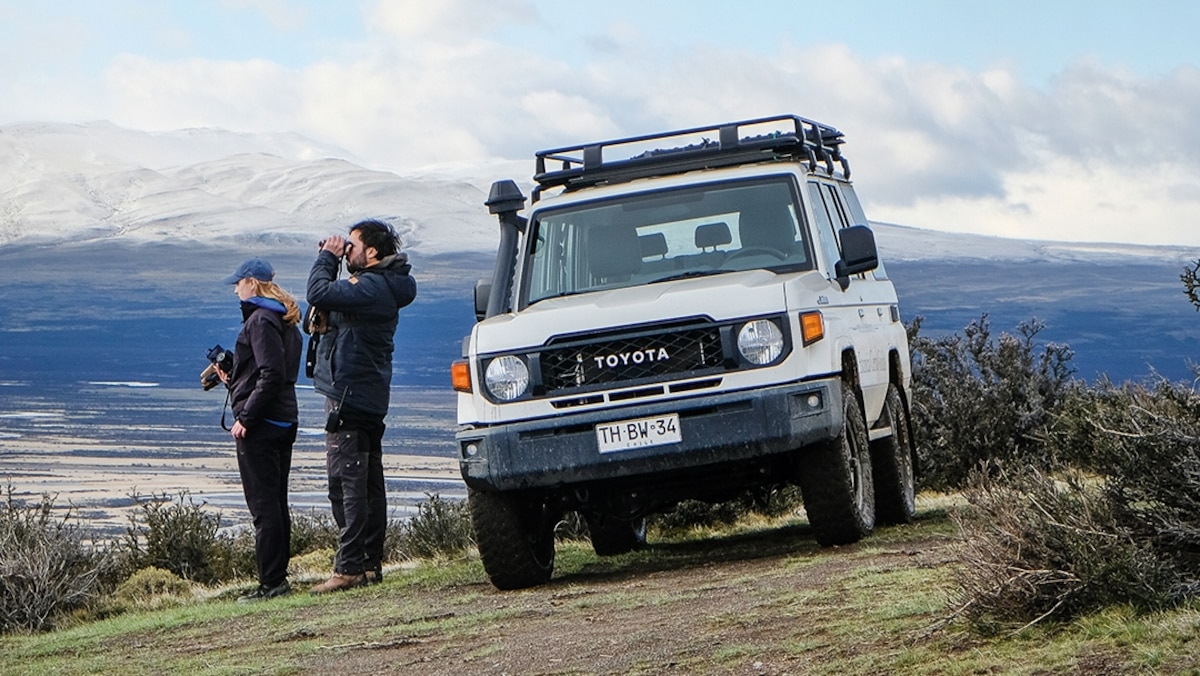
Accessibility is also a key consideration. Major carriers like LATAM and British Airways maintain connections to Santiago, with internal flights to gateway cities like Puerto Natales and Punta Arenas continuing through the shoulder months, albeit with slightly reduced frequencies. For those looking to go truly off-the-beaten-path, the Aysén region and the Carretera Austral offer a “pioneering feel” that remains relatively untouched by the summer surge. Whether exploring the labyrinthine fjords by Zodiac or hiking through windswept beech forests, the off-season traveler is rewarded with a sense of discovery that feels increasingly rare in the modern world.
The Quiet Luxury of the Southern Skies
Perhaps the most underrated advantage of the Patagonian off-season is the quality of the night sky. With fewer visitors and lower temperatures, the air is often remarkably clear, providing some of the best stargazing opportunities on the planet. Away from the light pollution of even the smallest settlements, the Southern Cross and the Milky Way appear with a “clarifying starkness.” Sites like Peaceful Valley and the remote estancias of the steppe become open-air planetariums, where the only sound is the distant crack of a calving glacier or the low whinny of a wild horse.
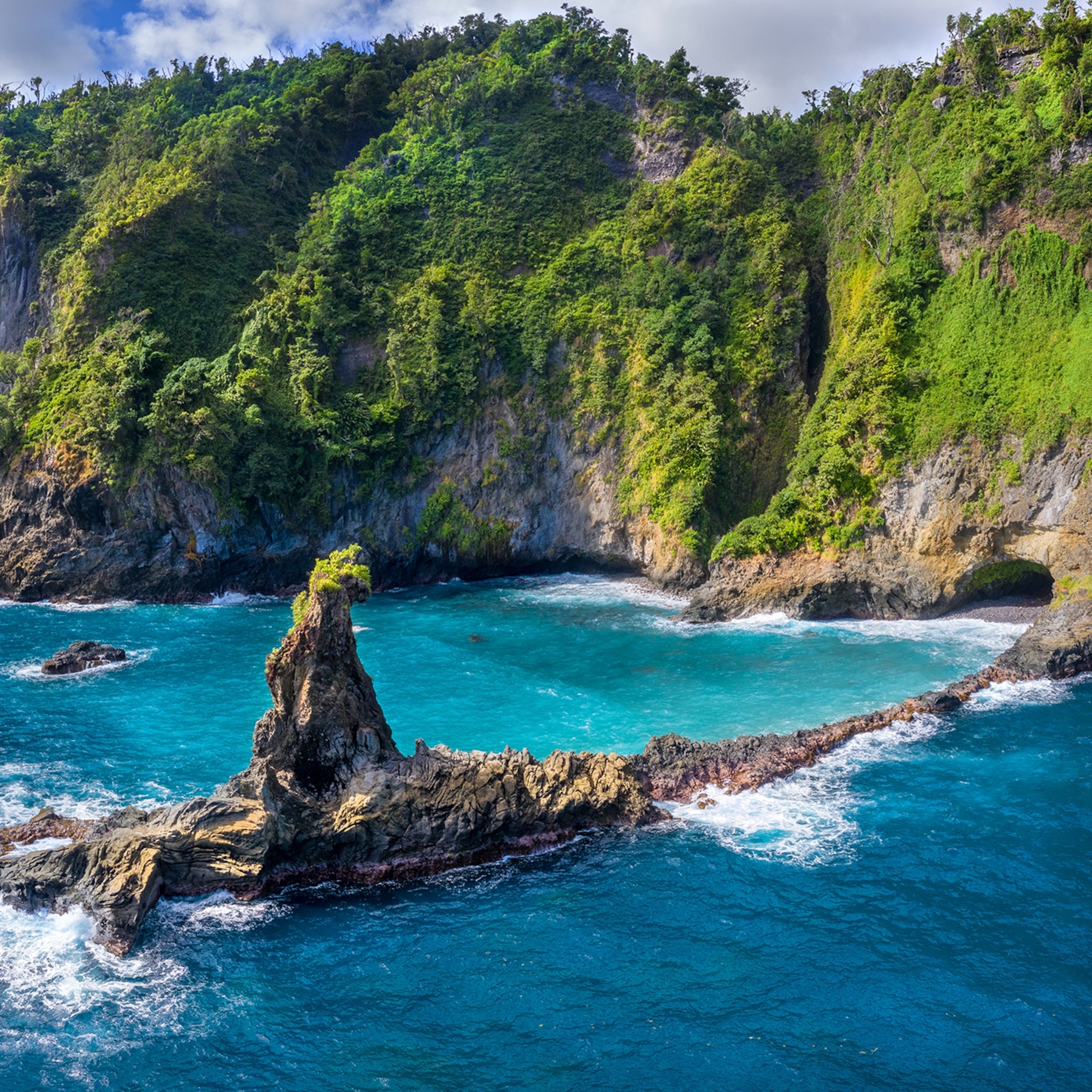
Ultimately, visiting Patagonia in the off-season is an exercise in “Making Travel Matter.” By distributing tourism throughout the year, visitors help reduce the environmental strain on the parks and provide more stable, year-round economic opportunities for the local communities. It is a more ethical and rewarding way to experience one of the Earth’s last truly raw places. As one traveler noted, catching a summer snowstorm or standing alone before a glittering glacier is not a setback—it is the very beginning of understanding what it means to be at the “end of the world.”