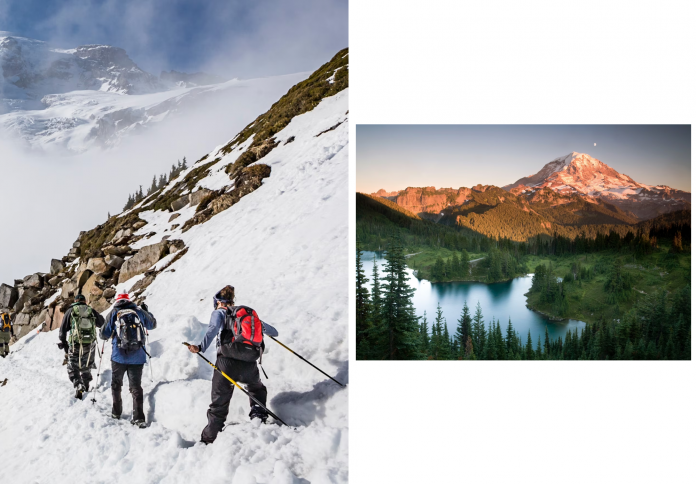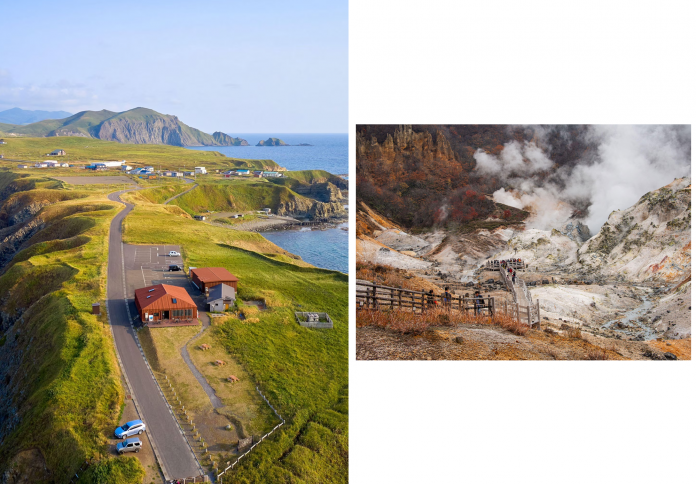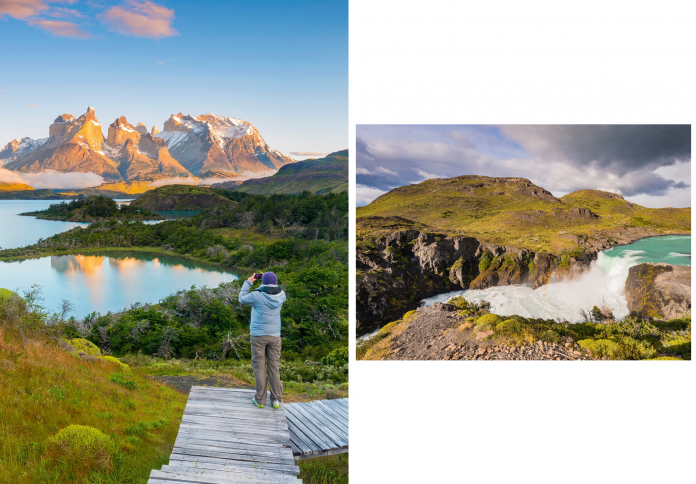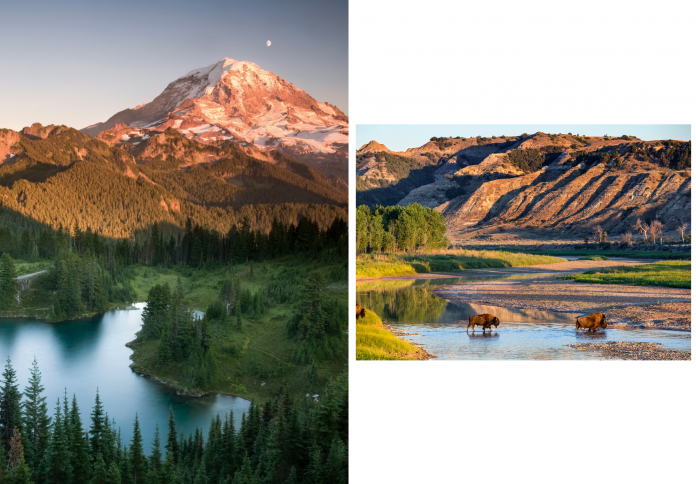
For the modern traveler, the dream of a classic American road trip has recently collided with a complex new reality: the digital reservation. Gone are the days of spontaneous arrivals at the gates of the country’s most iconic landscapes; in their place is a high-stakes game of “fastest fingers first” on Recreation.gov. However, as we enter the summer of 2026, a significant shift is underway. Several marquee parks, including Yosemite and Glacier, have begun scaling back their season-wide vehicle reservation requirements, signaling a new, more fluid phase of visitor management. While this is a victory for the last-minute explorer, it marks a pivot toward more targeted “managed access” strategies—such as shuttle bookings and parking time limits—designed to protect the delicate balance between public enjoyment and environmental preservation.
The Great Reopening: Why Reservations are Receding
The move toward reservation systems was largely a response to the “unprecedented levels of sustained demand” triggered by the 2016 National Park Service Centennial and the subsequent outdoor boom of the pandemic era. Parks like Yosemite, Arches, and Mount Rainier implemented these pilots to combat gridlocked traffic and overflowing parking lots. Yet, recent data from 2025 has suggested that a season-wide, blanket reservation requirement may not be the most efficient tool for every park. Yosemite, for instance, has found that traffic and visitation remain manageable on weekdays, leading officials to drop the advance vehicle ticket requirement for the 2026 summer season.

This relaxation of rules is a strategic gamble. Park leadership is betting that by removing the entry barrier, they can provide more equitable access to those who struggle with the digital divide or lack the ability to plan months in advance. Advocates for marginalized communities have long argued that reservation systems serve as a “deterrent on top of deterrents,” requiring high-speed internet, credit cards, and deep familiarity with English-only platforms. By scaling back, the parks hope to welcome a more diverse range of visitors, though they warn that “packing your patience” will be more essential than ever as popular trailheads return to first-come, first-served reality.
Targeted Tools: The Glacier and Rocky Mountain Models
While Yosemite and Arches are opening their gates wider, other parks are refining their approach with surgical precision. Glacier National Park, for example, will no longer require vehicle reservations for the high season but has introduced a mandatory shuttle booking system for the iconic Going-to-the-Sun Road. This ensures that the most sensitive corridor of the park remains accessible without the chaos of a parking battle at Logan Pass. Furthermore, a new three-hour parking limit at the pass itself aims to keep visitor turnover high, preventing the “gridlock of the summits” that has plagued recent summers.
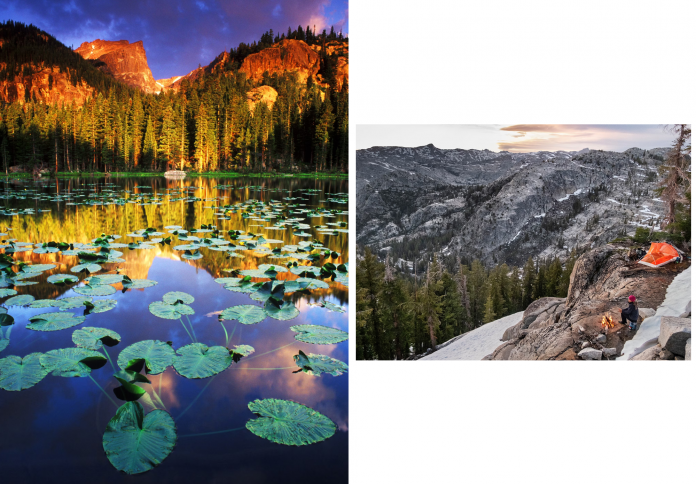
Rocky Mountain National Park, conversely, is sticking with its successful timed-entry system. Because of its unique infrastructure and proximity to major population centers, officials believe that the two-hour entry window is the only way to ensure a quality visitor experience. Travelers to Rocky Mountain must still choose between a “Bear Lake Corridor” permit or a “Rest of Park” permit, with blocks of tickets released on the first of each month. This “not one-size-fits-all” approach reflects a growing maturity in the Park Service’s management, recognizing that a solution in the Montana wilderness may not apply to the Colorado Rockies.
The Digital Gatekeeper: Mastering Recreation.gov
For the parks that still require reservations, Recreation.gov remains the central battlefield. Success requires more than just luck; it requires a strategy. Most “golden tickets” are released months in advance, but a secondary pool of reservations often goes on sale at 7 p.m. local time the night before your intended visit. This “last-minute” release is a lifeline for those already on the road. It is crucial to have an account set up and logged in before the clock strikes, as prime slots—particularly for sunrise or high-demand trailheads—can vanish within seconds.

Beyond entry permits, specific locations within parks still require their own independent reservations. For example, Cadillac Summit in Acadia and the hair-raising Angels Landing in Zion remain under strict lottery and booking systems. These “park within a park” rules mean that even if you have entered the gate, you may still need a digital pass to reach the most famous vistas. Navigating this layer of bureaucracy is now as much a part of the hiking experience as breaking in a new pair of boots, requiring travelers to be part-explorer and part-logistics expert.
The Procrastinator’s Guide to Avoiding the Crowds
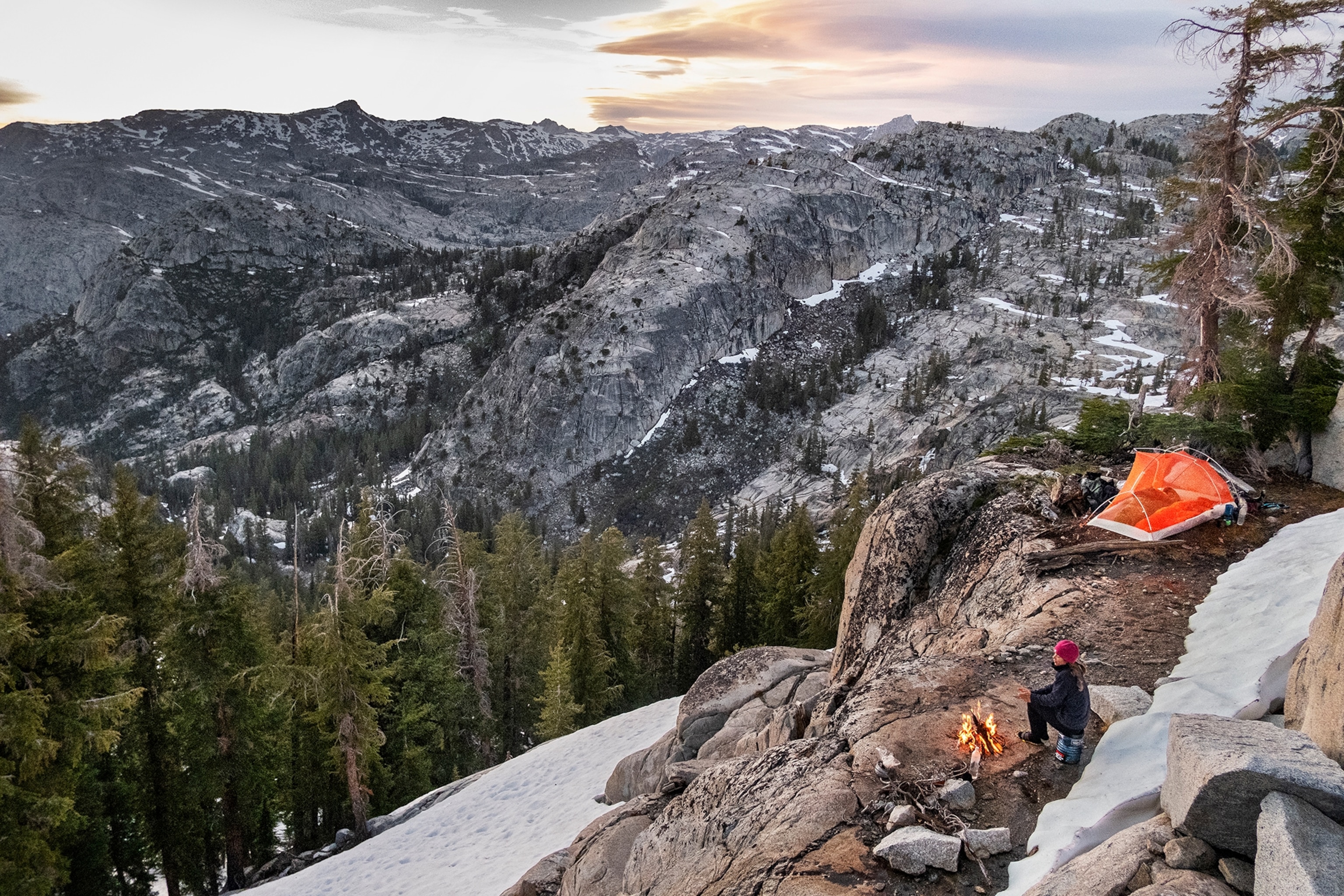
If the thought of digital lotteries is unappealing, there are still ways to experience the grandeur of the National Parks without a reservation. The most effective strategy remains the “early bird” approach: arriving before the ranger stations open—often before 5 a.m.—not only bypasses many reservation requirements but also offers the best light and the highest chance of seeing wildlife. Alternatively, entering the park late in the afternoon can provide a peaceful, sunset experience after the bulk of the day-trippers have departed. Staying overnight in a park lodge or campground often serves as a “backdoor” reservation, as those with overnight permits are typically exempt from day-use entry requirements.

Another burgeoning trend is the “shoulder season” pilgrimage. Visiting the mountain parks in late spring or early autumn, or the desert parks in mid-winter, allows for a fraction of the crowds and a completely different aesthetic experience. While some roads may be closed due to snow, the silence of a “hibernating” park is a reward in itself. Ultimately, as the reservation era evolves into a more targeted managed-access era, the key to a successful visit is flexibility. By treating the park—and fellow travelers—with respect and coming prepared with a Plan B, visitors can still find the solitude and wonder that the National Parks were designed to provide.