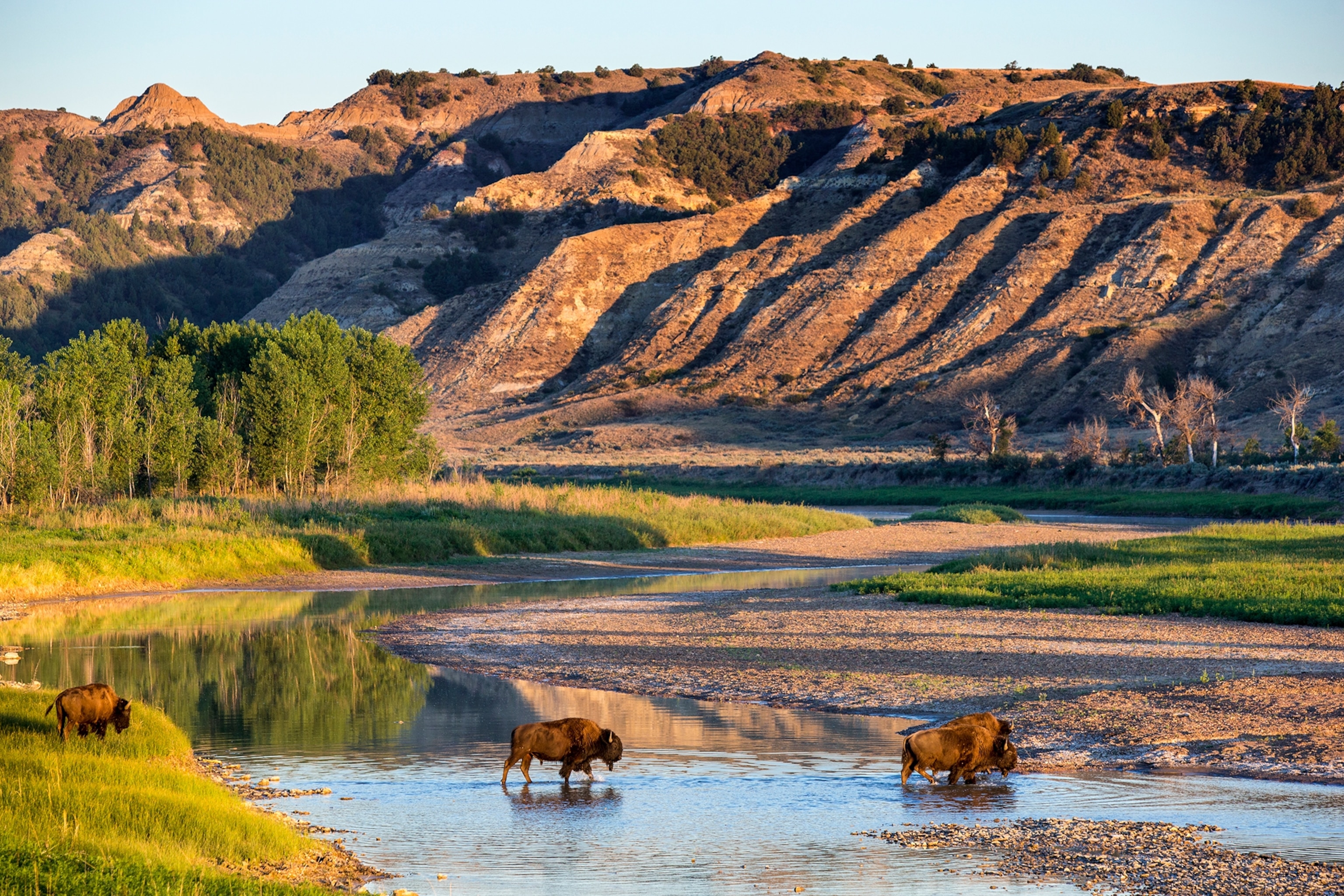
In the windswept reaches of western North Dakota, the Little Missouri River has carved a landscape of startling complexity and stark beauty. Theodore Roosevelt National Park is more than just a collection of multi-colored buttes and sprawling prairies; it is the spiritual home of the American conservation movement. It was here, in the 1880s, that a young, grief-stricken Theodore Roosevelt found solace and strength among the “rugged, ironbound” hills, eventually transforming from a bereaved Easterner into the “Cowboy President” who would protect 230 million acres of public land. Today, the park’s 70,000 acres preserve the very vistas that inspired him—a terrain shaped by wind, water, and time, where bison herds still roam freely across the grasslands and the silence is broken only by the sharp bark of a prairie dog or the whistling of the Great Plains wind.
A Trio of Wilderness: South, North, and the Elkhorn Sanctuary
Theodore Roosevelt National Park is uniquely partitioned into three distinct units, each offering a different facet of the Badlands experience. The South Unit, accessed via the historic town of Medora, is the most popular, featuring dramatic canyons and the expansive 36-mile Scenic Loop Drive. This area provides the quintessential Badlands panorama, where layers of bentonite clay and sandstone create a vibrant geological tapestry. In contrast, the North Unit—located about 80 miles away—offers a deeper, greener perspective. Here, the river gorge is more pronounced, and the landscape feels more intimate, with Oxbow Overlook providing a spectacular view of the Little Missouri making a perfect U-turn through the rugged earth.
The third and most remote section is the Elkhorn Ranch Unit. This was the site of Roosevelt’s “home ranch,” his place of sanctuary after the tragic loss of his wife and mother on the same day in 1884. While the original buildings are gone, the foundation stones remain, nestled within a serene cottonwood grove. There are no visitor centers or paved roads here; it remains a place of quiet reflection, allowing visitors to stand in the same “solitary and lonely” landscape that helped shape the character of the 26th President.
The Living Prairie: A Sanctuary for the Icons of the West
Wildlife is the heartbeat of Theodore Roosevelt National Park, and the animals here are not merely residents but symbols of the frontier’s resilience. The park is a stronghold for the American bison, whose massive silhouettes are a frequent sight along the scenic drives. Unlike the high-density crowds of other parks, viewing wildlife here often feels like a private audience. Early morning and late afternoon are the prime windows for activity, as cooler temperatures bring elk, pronghorn, and the park’s famous feral horses out onto the grassy plateaus. These horses, descendants of those used by Native Americans and early ranchers, provide a stirring connection to the park’s historical identity.

At ground level, the park’s “barking” ambassadors—the black-tailed prairie dogs—occupy vast “towns” visible from the roadside. These highly social creatures are a keystone species, supporting a complex web of predators including coyotes, badgers, and golden eagles. In the North Unit, sharp-eyed visitors may even spot bighorn sheep perched on the steep, crumbly cliffs. The park’s commitment to preserving these species in a natural, unfenced environment ensures that the ecosystem remains as vibrant and wild as it was during Roosevelt’s ranching days.
Hiking the High Plains: From Painted Canyons to Ancient Forests
The trail system in Theodore Roosevelt National Park invites exploration across a spectrum of difficulty and scenery. For those seeking immediate visual rewards, the Wind Canyon Trail offers a short but breathtaking loop that overlooks the Little Missouri River; it is widely considered the park’s premier sunset spot, where the light ignites the red “clinker” rock of the canyon walls. For a more immersive experience, the Caprock Coulee Loop in the North Unit traverses through diverse habitats, moving from shaded coulees to high ridges that offer 360-degree views of the “Badlands” topography.

The ultimate challenge for trekkers is the Maah Daah Hey Trail, a 144-mile epic that connects all three units of the park. This legendary route—whose name comes from the Mandan Hidatsa word meaning “an area that has been around for a long time”—is a paradise for backpackers and mountain bikers. It winds through bentonite clay flats, across grassy prairies, and over steep ridges, providing a profound sense of the vastness of the North Dakota wilderness. Whether on a half-mile stroll or a multi-day trek, the trails here emphasize the park’s “wide-open and quiet” character, far removed from the frantic pace of modern life.
Under the Great Sky: Stargazing and the Winter Silence
As the sun sets, Theodore Roosevelt National Park transforms into one of the premier dark-sky destinations in the country. Located far from the light pollution of major metropolitan areas, the park offers a crystal-clear window into the cosmos. At sites like Peaceful Valley Ranch, the Milky Way appears as a brilliant, dense river of light arching over the silhouetted buttes. The park celebrates this celestial heritage with the annual Dakota Nights Astronomy Festival, drawing stargazers to witness the same “star-sprinkled” skies that Roosevelt marveled at during his nights on the range.
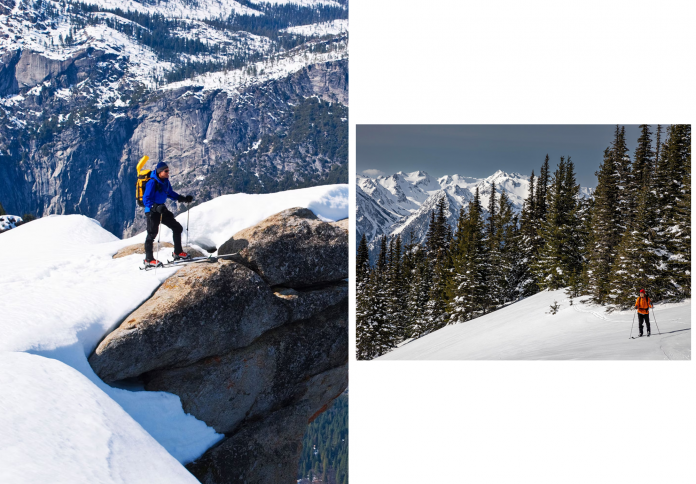
The arrival of winter brings a different kind of magic to the Badlands. From December through March, a blanket of snow softens the jagged edges of the canyons, and the park enters a period of profound stillness. While the crowds vanish, the park remains open for cross-country skiing and snowshoeing. The white landscape makes wildlife—particularly the dark shapes of bison—even easier to spot, creating a high-contrast world of stark beauty. It is during these cold, quiet months that the park most closely resembles the isolated frontier that Roosevelt described as a land of “grim and terrible beauty.”