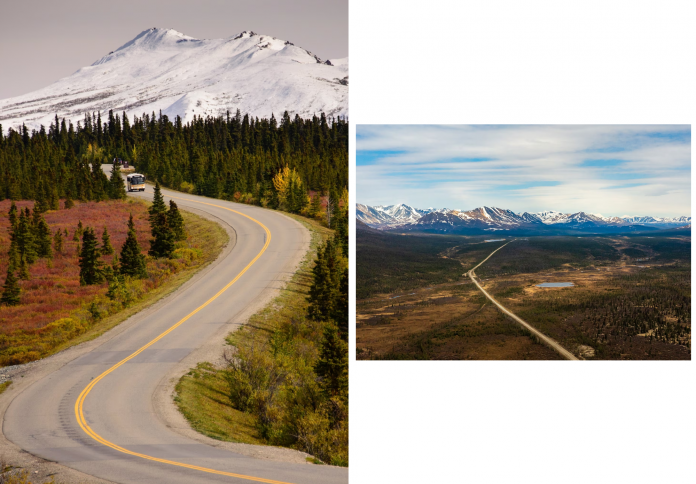
Spanning 135 miles of rugged Alaskan interior, the Denali Highway is far more than a simple transit route; it is a ribbon of gravel and history connecting the remote outposts of Paxson and Cantwell. Once the sole gateway to Denali National Park until the early 1970s, this legendary road now serves as a pilgrimage for those seeking the “Old Alaska”—a place where the pavement ends and the true wilderness begins. Traversing a vast landscape of glacial rivers, tundra plateaus, and jagged peaks, the highway offers an unfiltered encounter with a subarctic ecosystem that remains largely unchanged by the passage of time. For the modern traveler, a journey across this unpaved expanse is a rare opportunity to disconnect from the digital world and recalibrate one’s senses to the rhythm of the mountains and the silence of the north.
A Geological Masterpiece Carved by Ancient Ice
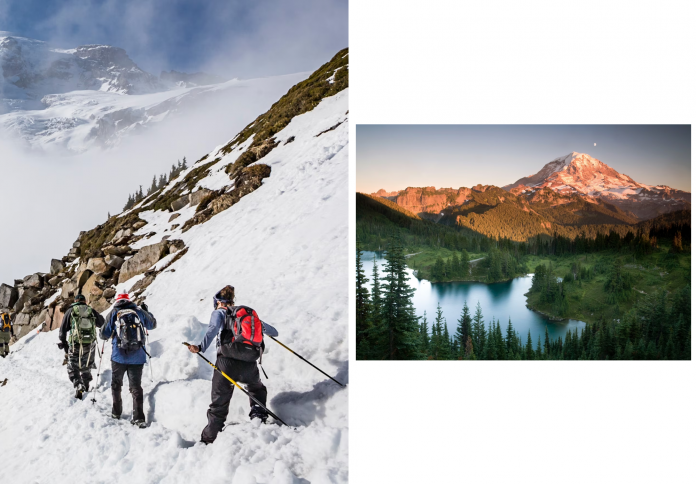
The Denali Highway runs parallel to the towering Alaska Range, providing some of the most spectacular mountain vistas in North America. This is a landscape dictated by geology; the terrain was sculpted during the last Ice Age, leaving behind a fascinating array of glacial features. Travelers will encounter eskers—long, winding ridges of gravel—and kettle lakes formed by melting ice blocks buried in the earth. The sheer scale of the Susitna and Maclaren Glaciers, visible from various high-point overlooks, serves as a humbling reminder of the immense natural forces that continue to shape the continent’s northern reaches.
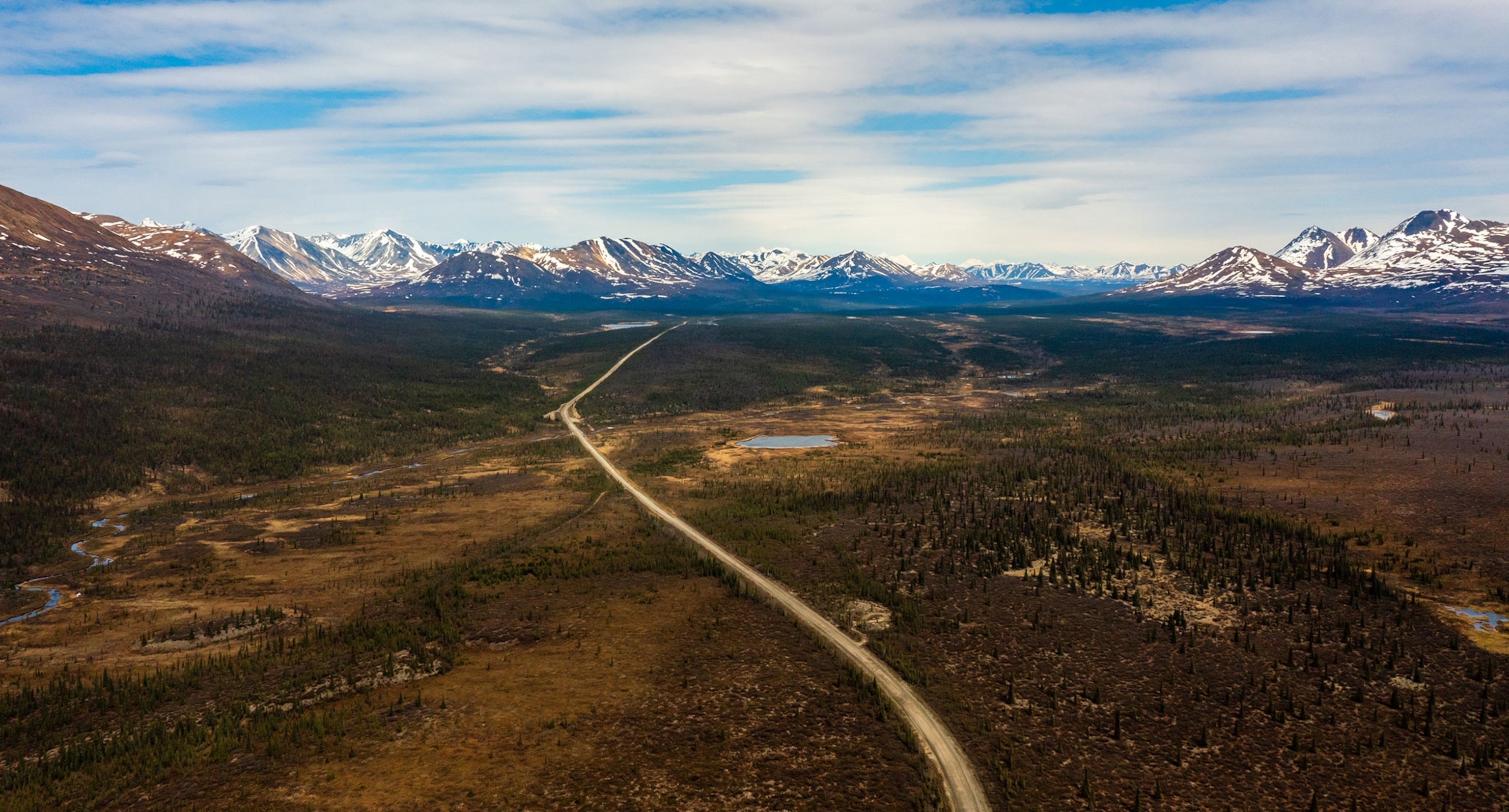
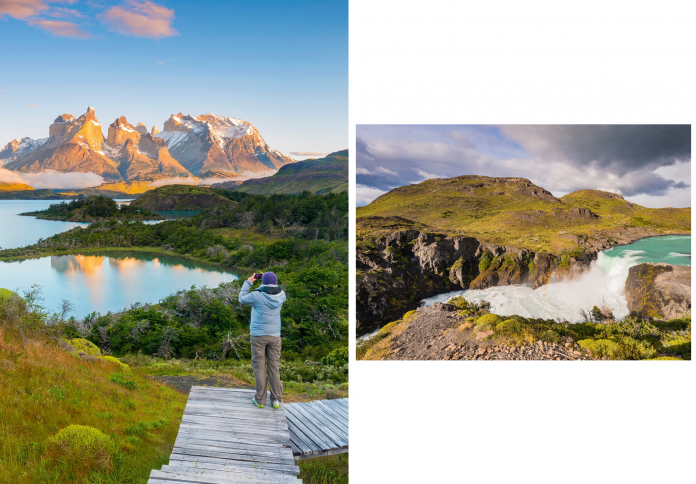
Because the road is largely unpaved and situated at a high elevation, it offers an expansive, “big sky” feel that is increasingly rare in the lower 48 states. The absence of commercial development means that the views are entirely unobstructed, allowing the eye to wander across miles of open tundra toward the icy summits of Mount Hayes, Mount Hess, and Mount Deborah. This is a territory where nature is the sole architect, and the ruggedness of the road itself—often dusty or muddy depending on the weather—acts as a natural filter, ensuring that only the most dedicated explorers witness its raw, panoramic beauty.
The Serengeti of the Subarctic North
For wildlife enthusiasts, the Denali Highway is often referred to as a “drive-through safari” of the North. Unlike the controlled environment of a national park bus tour, the highway allows for spontaneous and intimate encounters with Alaska’s iconic fauna. It is common to see members of the Nelchina caribou herd grazing across the vast alpine meadows or a massive bull moose standing knee-deep in a willow-fringed pond. The region is also a critical habitat for grizzly bears, wolves, and foxes, all of which roam freely across the unfenced expanse of the Clearwater Mountains and the Gulkana River basin.
Birdwatchers find a particular sanctuary here, as the highway bisects a variety of habitats ranging from wetlands to high-altitude tundra. During the short but intense summer months, trumpeter swans nest in the kettle lakes, while arctic terns and various raptors patrol the skies. The experience of observing these animals in their natural state—without the barrier of crowds or fences—requires a heightened sense of awareness and respect. It serves as a poignant reminder that along this stretch of road, humans are merely temporary observers in a kingdom where the wild still reigns supreme.
A Symphony of Color on the Autumn Tundra
While the summer offers lush greens and vibrant wildflowers, the Denali Highway reaches its aesthetic crescendo in late August and early September. As the first frosts touch the high country, the tundra undergoes a breathtaking transformation. The low-growing shrubs, blueberries, and bearberries turn brilliant shades of crimson, electric orange, and deep gold. Against the backdrop of the first “termination dust” (the season’s first snow) on the mountain peaks, the landscape appears to be glowing from within. This short-lived autumn window is widely considered the most beautiful time to traverse the route.
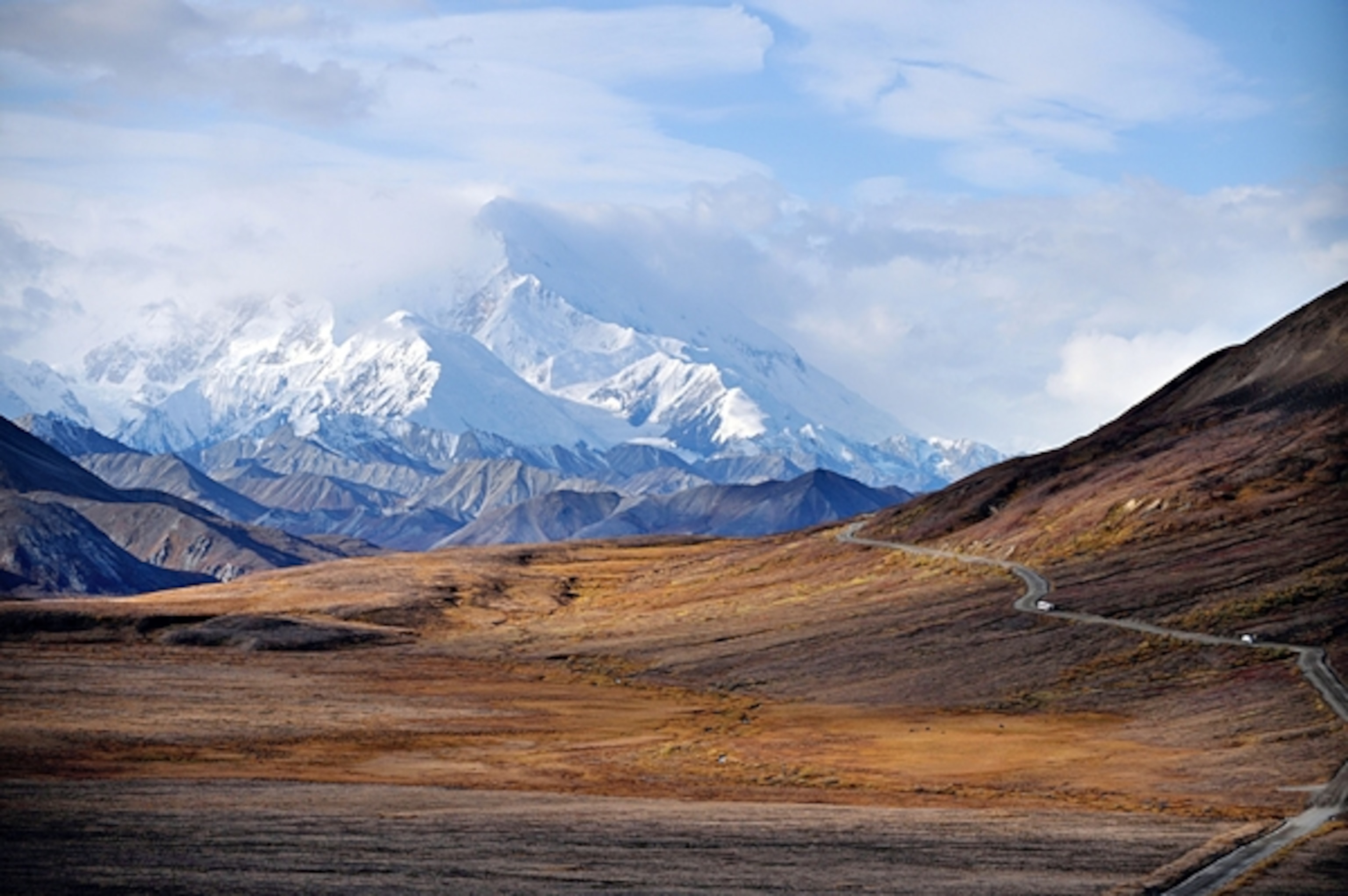
This season is also a time of frantic activity for the local flora and fauna. The air is crisp and clear, providing the best visibility for photography, while the absence of summer insects makes hiking and exploring the roadside trails far more pleasant. For those who stop to forage, the tundra offers a bounty of wild crowberries and blueberries, a sweet reward for navigating the bumpy terrain. The visual intensity of the fall colors, combined with the deepening shadows of the approaching subarctic winter, creates an atmosphere of profound beauty and melancholy that stays with a traveler long after the journey ends.
The Luxury of Silence and Self-Reliance
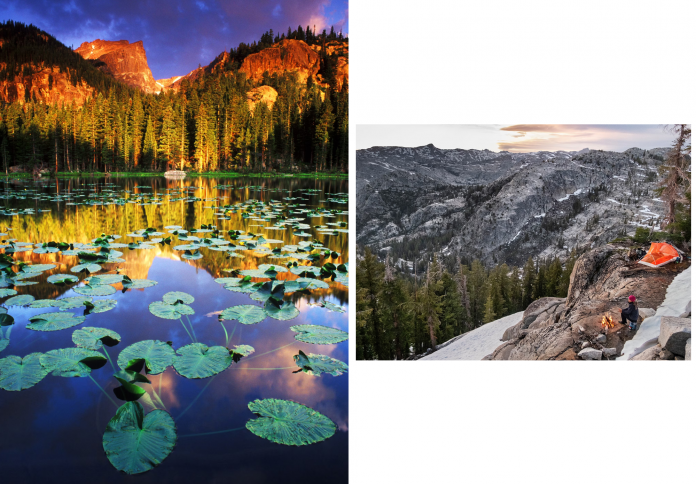
Traveling the Denali Highway is an exercise in self-reliance and a celebration of freedom. With almost no cell service and very few facilities between the small lodges at Maclaren River and Alpine Creek, visitors must come prepared with extra fuel, spare tires, and a spirit of independence. This lack of connectivity is precisely what makes the road so valuable in the 21st century. It forces a return to the basics: reading a physical map, watching the weather patterns shift over the mountains, and camping under a sky that, in the late season, may dance with the ethereal greens of the Aurora Borealis.

The true allure of the Denali Highway lies in the ability to set one’s own pace. There are no timed entries or crowded parking lots; there is only the open road and the invitation to pull over whenever the light hits a glacier just right. Whether it is cooking a simple meal on a camp stove overlooking the Susitna River or sitting in silence as a caribou crosses the path, the highway provides a rare sense of autonomy. It is a place where the destination is secondary to the experience of being present in a world that feels vast, ancient, and gloriously indifferent to the frantic pace of modern life.